


The 2025–2030 Dietary Guidelines mark an important shift in U.S. nutrition guidance. Many people still think of nutrition advice in terms of the “food pyramid,” but today’s recommendations place greater emphasis on food quality and dietary patterns. For the first time, federal recommendations directly address ultra-processed foods, strengthen limits on added sugars, and reinforce fruits, vegetables, fiber, and whole foods as the foundation of a healthy diet.
From a cardiovascular perspective, many of these updates move in the right direction. At the same time, the guidelines fall short in key areas, promoting dietary patterns that can conflict with established heart health evidence. Understanding both strengths and limitations matters for reducing long-term cardiovascular risk.
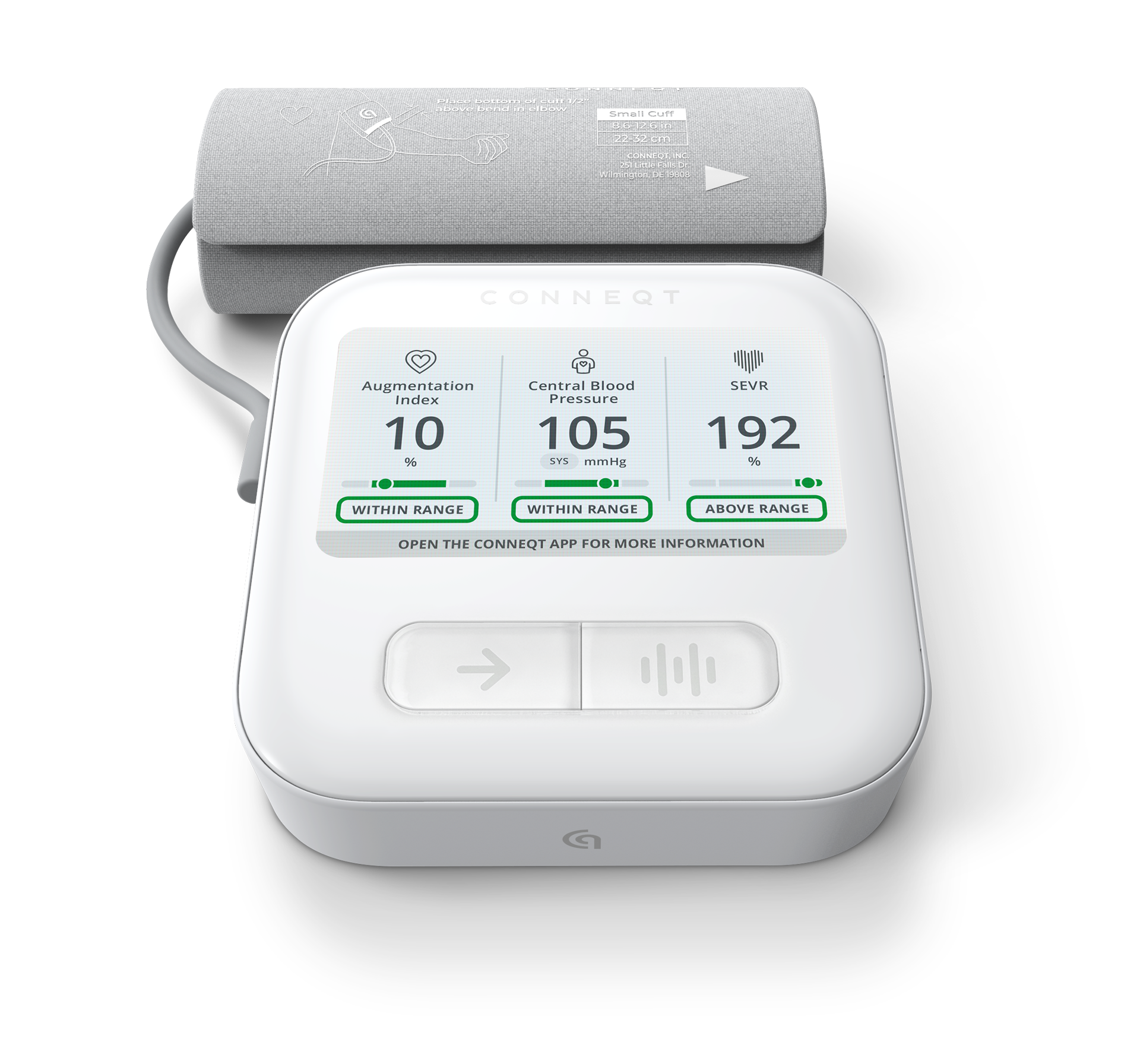

Medical Grade, Accurate, FDA-Cleared Heart Insights.
Save 10% on checkout with code VITALITY
What the Guidelines Get Right for Your Heart
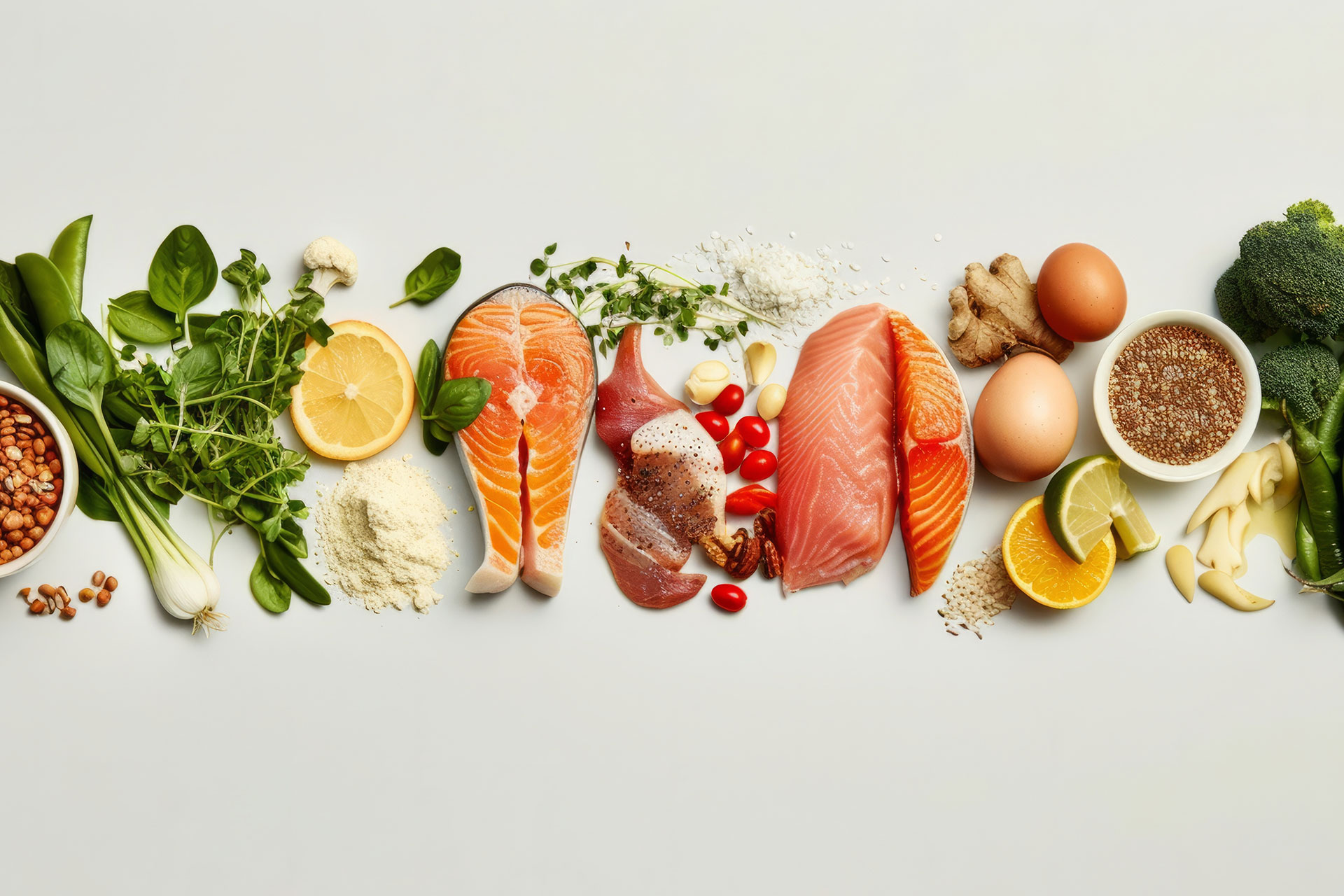
The strongest improvement is the emphasis on food quality. Encouraging mostly whole and minimally processed foods remains one of the most reliable ways to support heart health. Evidence consistently links these patterns to better blood pressure regulation, improved insulin sensitivity, and lower cardiovascular disease risk.
The renewed focus on fruits, vegetables, fiber, and potassium is especially important. Most adults still fall short on fiber intake, despite strong evidence linking higher intake to lower LDL cholesterol, healthier blood vessels, and reduced heart disease risk. Potassium-rich foods help counterbalance sodium and support healthier blood pressure. Importantly, frozen and canned options still count, making heart-healthy eating more accessible.
The guidelines also take a firmer stance on ultra-processed foods. These foods are often high in sodium, refined carbohydrates, and additives that contribute to metabolic stress and inflammation. Reducing them supports cardiovascular health beyond weight management alone.
Where the Guidelines Leave Gaps for Heart Health
The biggest challenges emerge when guidance is applied to real-world eating patterns.
The saturated fat contradiction
The guidelines retain an upper limit for saturated fat of less than 10 percent of total calories. This is more permissive than the American Heart Association’s recommendation of 5 to 6 percent, or about 13 grams per day on a 2,000-calorie diet. This lower threshold is especially relevant for men over 40 and post-menopausal women.
At the same time, the guidelines promote foods that are major sources of saturated fat, including red meat, full-fat dairy, butter, and beef tallow. The American Heart Association advises limiting these foods and choosing low-fat or fat-free dairy. Encouraging higher intake of full-fat animal foods while advising people to limit saturated fat creates mixed messages that are difficult to follow.
Higher saturated fat intake is consistently associated with elevated LDL cholesterol and impaired vascular health, including reduced arterial flexibility. In contrast, unsaturated fats from olive oil, avocados, nuts, seeds, and fatty fish improve cholesterol profiles and reduce inflammation. Loosening saturated fat limits reflects changes in messaging, not new cardiovascular evidence.
Why protein guidance misses the mark
Protein quality plays a major role in cardiovascular health, yet the guidelines do not clearly distinguish between sources. Dietary patterns emphasizing legumes, nuts, seeds, and fish are consistently linked to lower cardiovascular risk, providing protein alongside fiber, healthy fats, and omega-3s.
In contrast, higher intake of red and especially processed meats is linked to increased heart disease risk. While the scientific advisory report used to develop the guidelines was more direct, the final policy language softened the message.
Mixed messages on alcohol
The updated guidelines advise people to “limit” alcohol without defining specific amounts. Higher intake and binge drinking are linked to increased arterial stiffness and higher blood pressure, often years before hypertension or abnormal lab results appear. This lack of clarity represents a missed opportunity for earlier cardiovascular prevention.
A Better Approach: Guidelines Plus Real Cardiovascular Insight
Diet influences cardiovascular health long before traditional tests detect changes. Many people rely on cholesterol or brachial blood pressure to judge whether a diet is working, but these markers often shift only after damage has begun. Earlier signals can include rising arterial stiffness and higher central blood pressure, even without symptoms.
As a result, someone can follow dietary guidelines closely and still experience worsening vascular health. The guidance is not wrong, but it is incomplete.
Tracking vascular health helps close this gap by showing how the cardiovascular system responds over time to diet, sodium intake, inflammation, and metabolic stress. Measures such as central blood pressure and arterial stiffness reflect how hard the heart and arteries are working, often years before traditional markers change. Tools like the CONNEQT Pulse make it possible to track trends at home, translating guidance into actionable insight.
Why Individual Cardiovascular Response Matters
The updated Dietary Guidelines represent real progress for heart health, particularly in their emphasis on food quality and reduced ultra-processed foods. However, mixed messaging around saturated fat, limited clarity on protein sources, and vague alcohol guidance weakens their impact.
For meaningful heart health, dietary recommendations must be paired with insight into how the heart and arteries respond over time, enabling earlier and more effective prevention.