
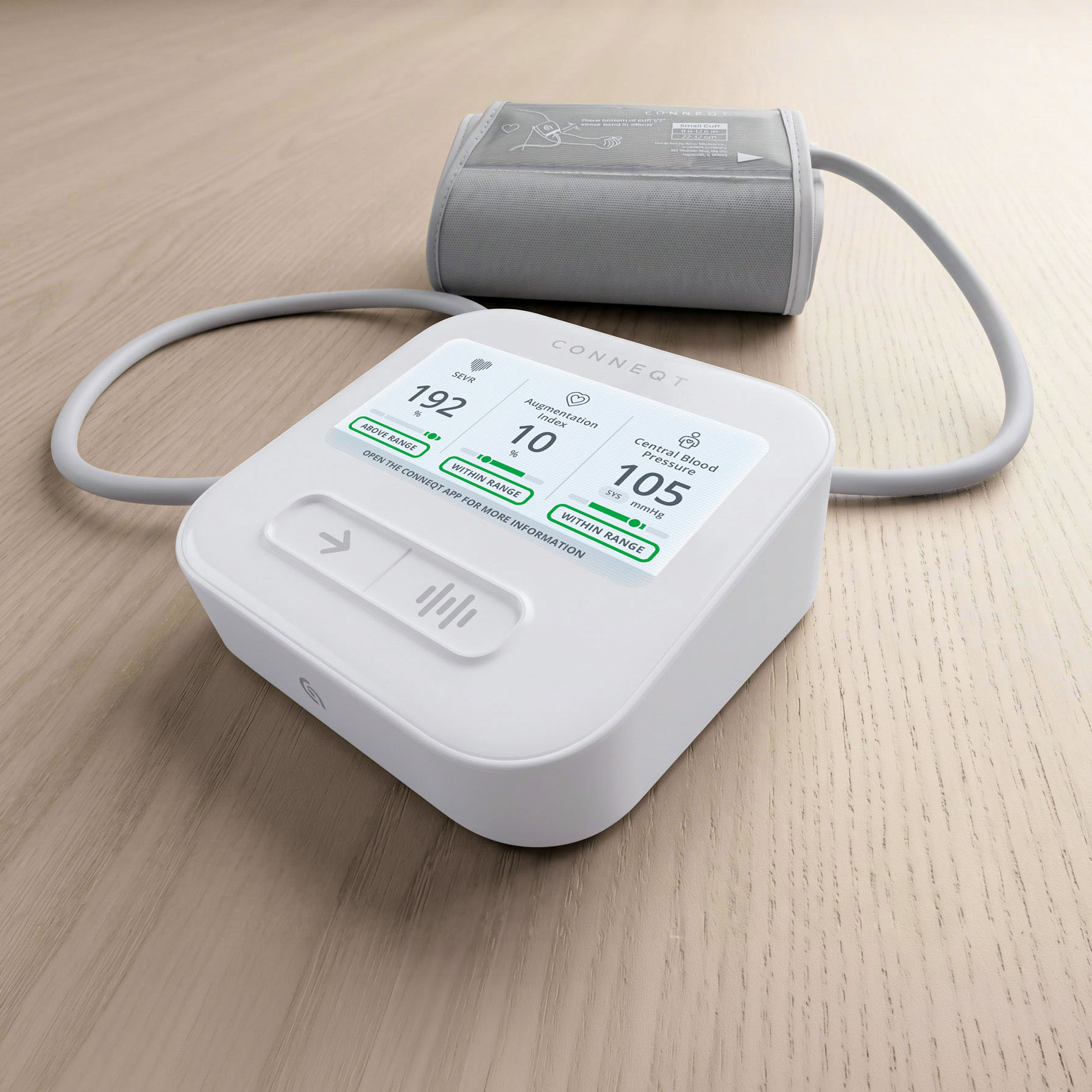
CONNEQT Pulse
FDA clearedA closer look at
your heart
and arteries.
Your arm reading can look normal while pressure near your heart is high. Pulse shows both, helping you understand the pressure your heart works against and follow how it changes over time.
 Most Comprehensive DataSmartPicks · 9.8 out of 10
 Best for Advanced Monitoring9.7 out of 10
 Best Advanced MonitorYahoo Health · 2026
 Independently validatedApplies to blood pressure accuracy.
Beyond blood pressure
See what your arm reading can miss.
Higher pressure makes your heart work harder.
Two people can have similar blood pressure at the arm, but different pressure near the heart. Higher pressure there has been linked to a greater risk of heart disease and stroke. Pulse shows both, so you can follow the pressure your heart pumps against over time.
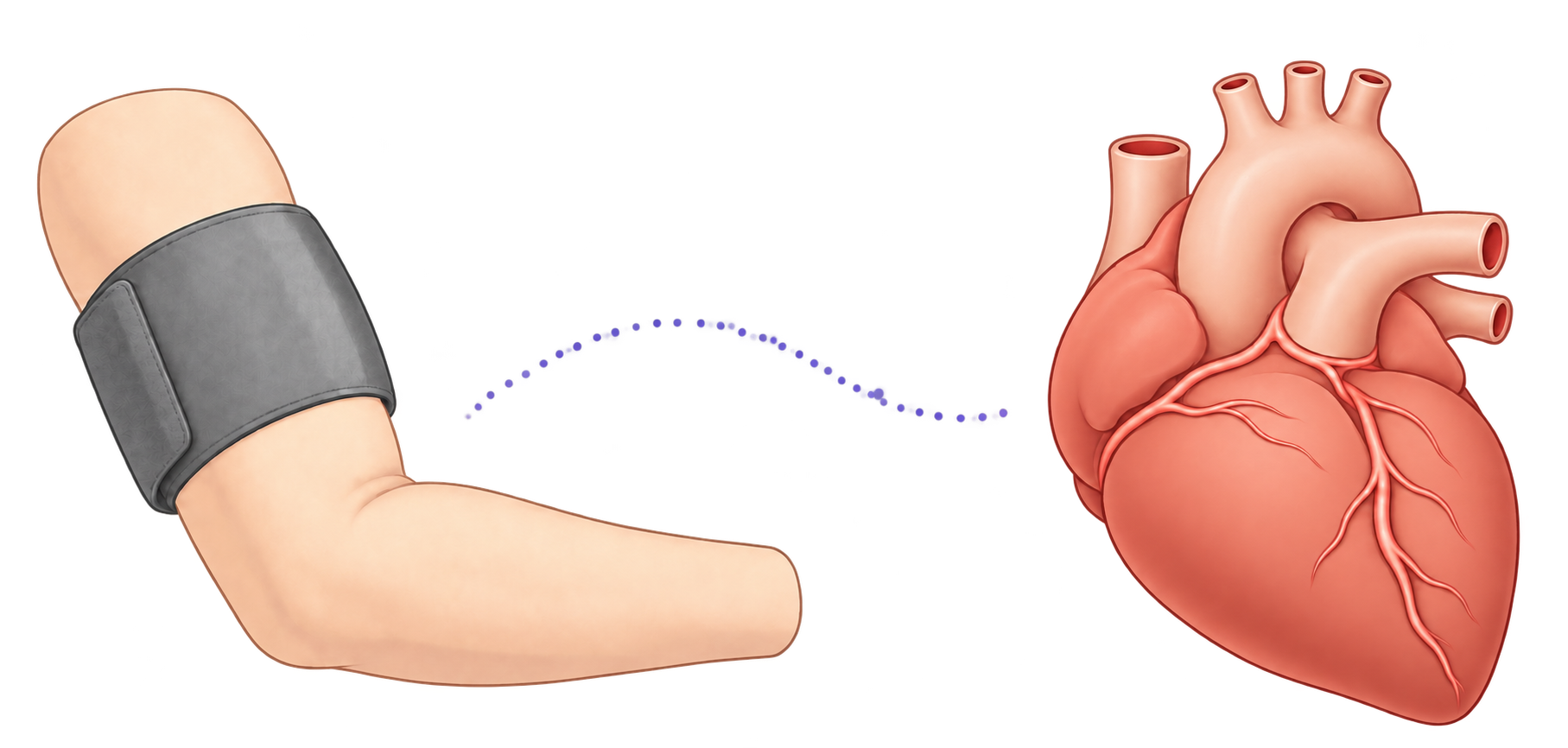
Pulse analyzes the pressure wave from your cuff to reveal pressure near your heart.
One cuff. Two pressure views.
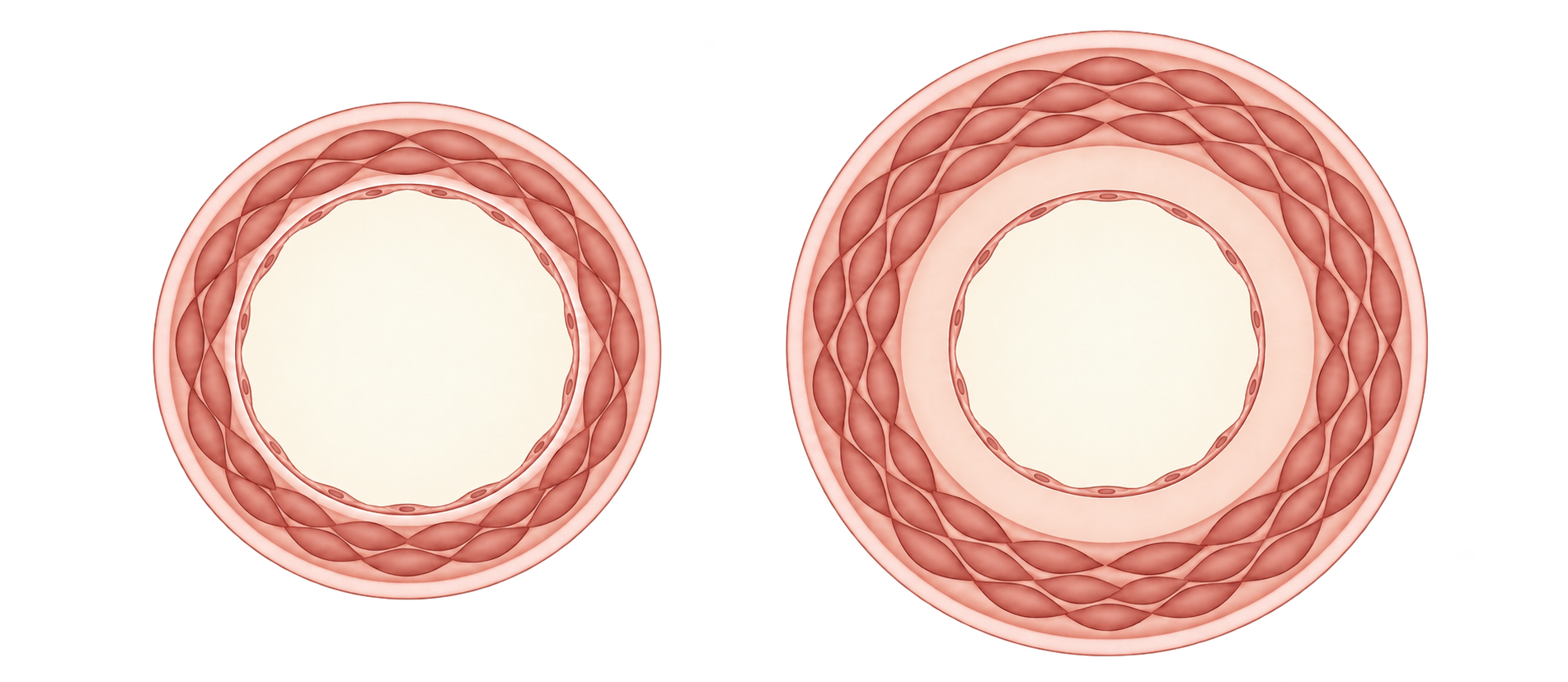
Stiffer arteries can add to your heart’s work.
Flexible arteries help cushion each heartbeat. Stiffer arteries can make returning pressure waves arrive sooner, adding pressure while your heart pumps. Pulse shows this added pressure through markers linked to artery stiffness.
Heart rate and body size also affect these results.
How artery walls can change.
Your heart needs its own blood supply, too.
SEVR gives you an indication of how oxygen supply to the inner heart muscle relates to the work your heart is doing.
SEVR uses pressure and timing. It does not directly measure oxygen levels or blood flow.
Blood supply. Pumping work.

your heart muscleBlood pumped
to your bodySEVR is an indicator of this balance.
Conceptual illustrations, not individual results. Pulse provides measurements and trends, not a diagnosis. Do not self-treat or change treatment based on a reading. Learn about all seven results.
Clinical evidence
Why these measurements matter.
Studies have linked these measurements to heart attacks, stroke and cardiovascular death. Here’s what researchers found.
Central blood pressure
Pressure near your heartthe rate of cardiovascular death
Central hypertension versus optimal central pressure.Study category cutoffs: 130/90 and 110/80 mmHg, respectively.
View study · Cheng et al., 2013 ↗Central pulse pressure
Pressure change with each heartbeathigher rate of cardiovascular events
At ≥50 mmHg versus the quarter of participants with the lowest readings.
View study · Roman et al., 2009 ↗Pulse pressure amplification
How pulse pressure differs between heart and armthe rate of coronary events
Below 130% versus 130% or higher in the discovery cohort.
View study · Huang et al., 2024 ↗Augmentation pressure
Added pressure from returning waveshigher rate of major cardiovascular events
Per 10 mmHg increase in men with coronary artery disease.
View study · Chirinos et al., 2005 ↗Augmentation index
Returning-wave pressure as a proportionhigher risk of cardiovascular events
Per 10 percentage-point increase.
View study · Vlachopoulos et al., 2010 ↗SEVR
Heart supply relative to workloadhigher rate of cardiovascular death
With SEVR ≤129% versus >129% in adults aged 65+.
View study · Han et al., 2026 ↗Associations reported in different study populations, not proof of cause and effect.
Your Pulse. Your perspective.
Get to know
your own pattern.
One reading captures a moment. Regular readings help you see your usual levels and follow changes over time. Pulse keeps your arm pressure, pressure near your heart and other artery measurements together in the app.
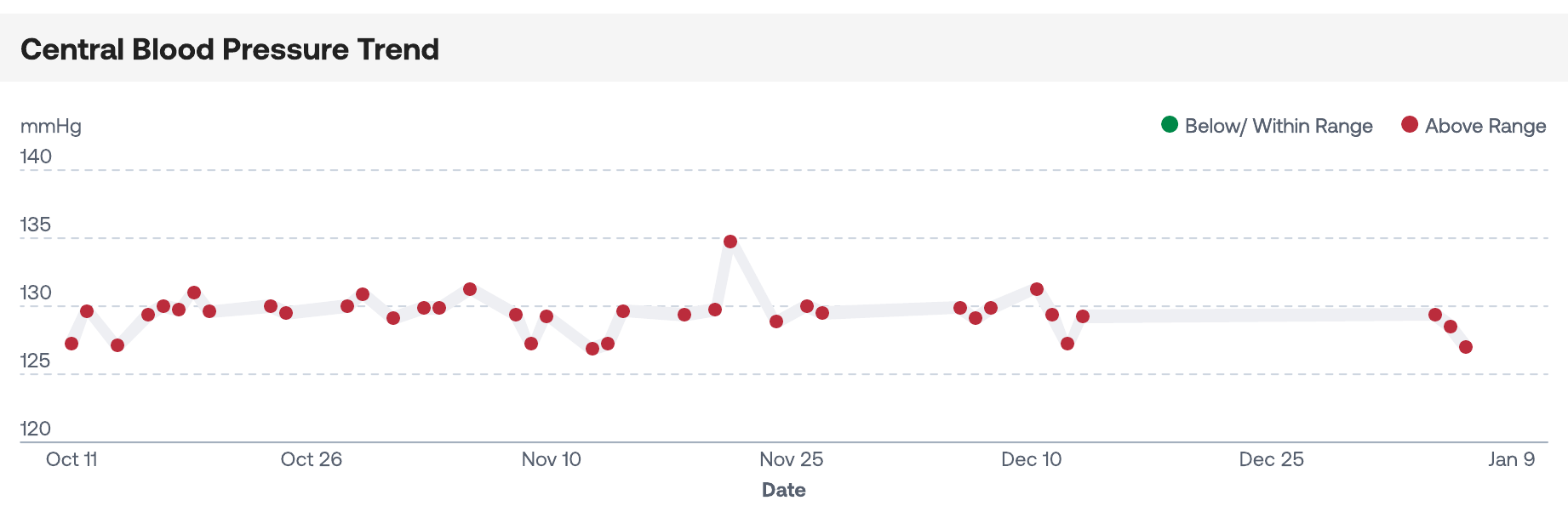
Follow pressure at your arm and near your heart over time. History and trends included with Pulse. Example results shown.
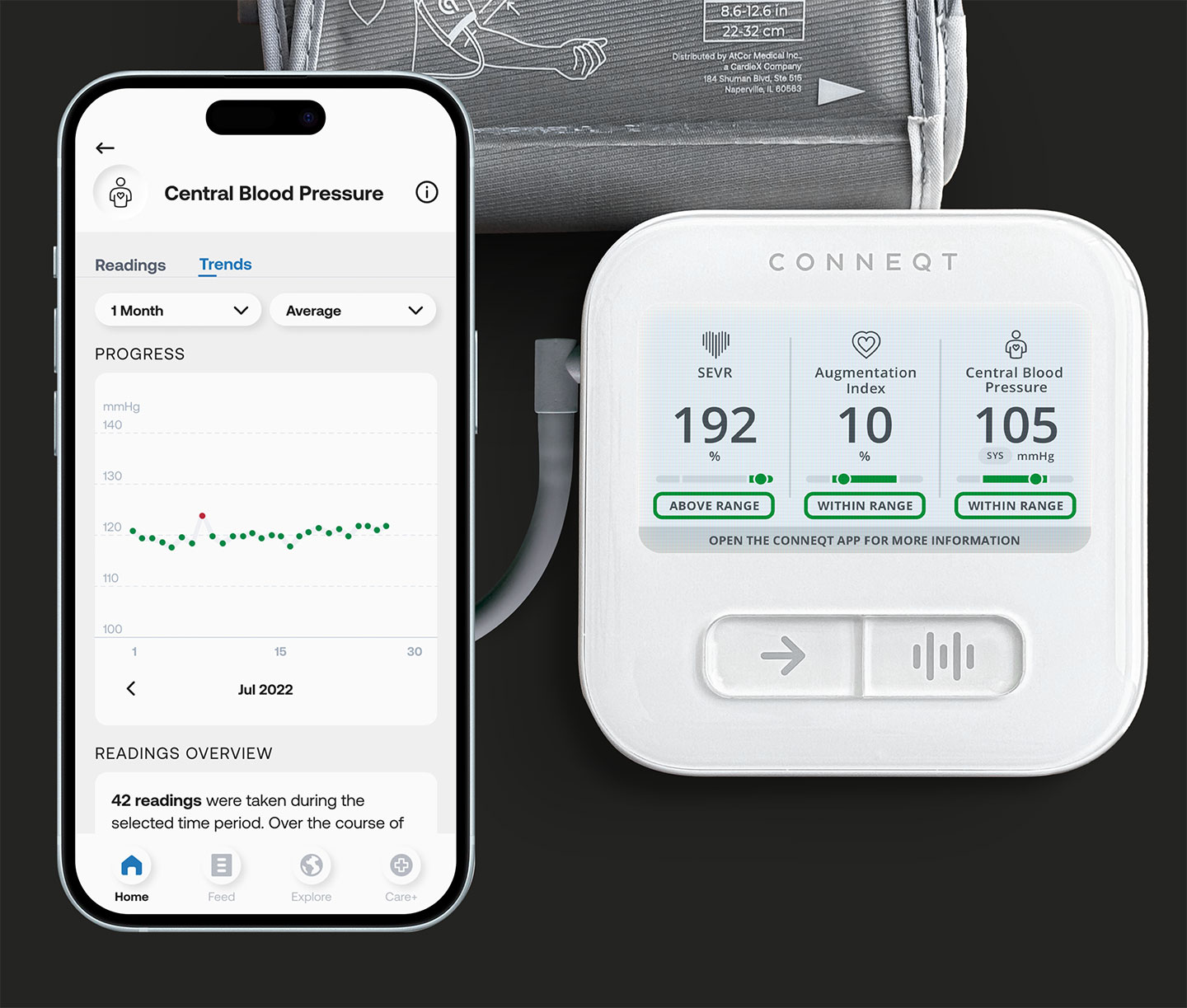
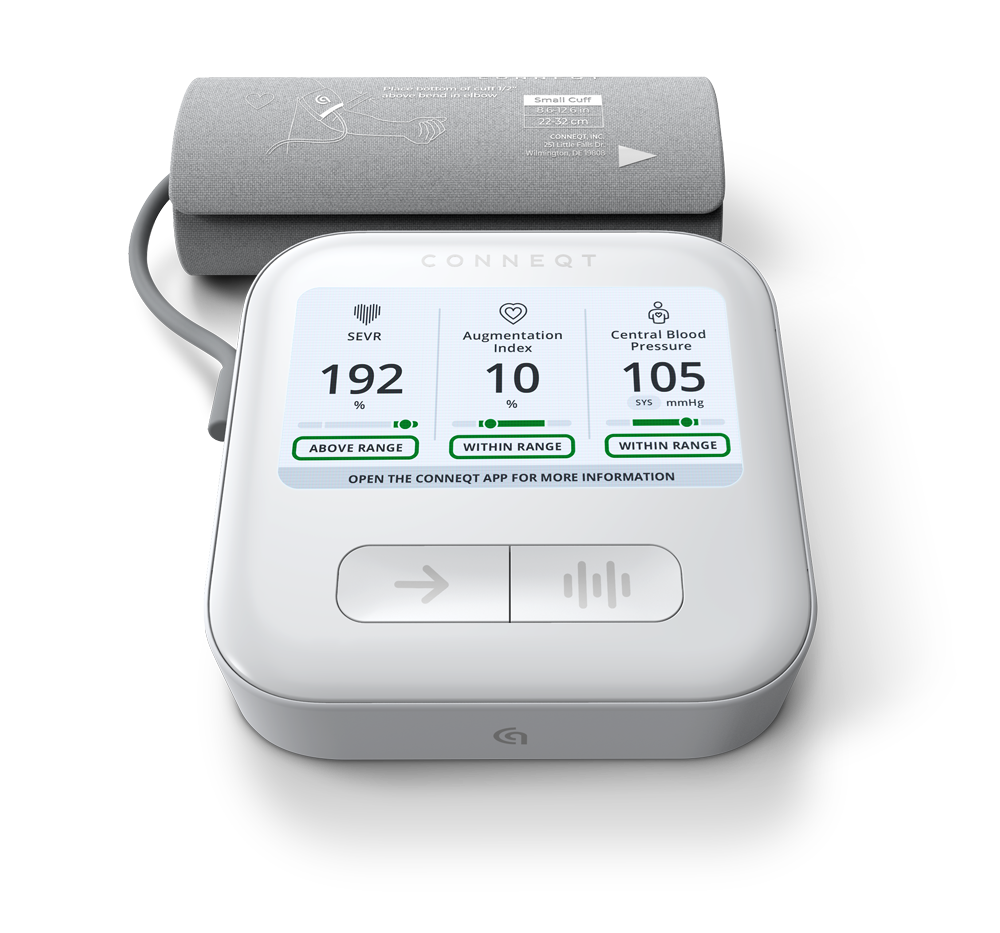
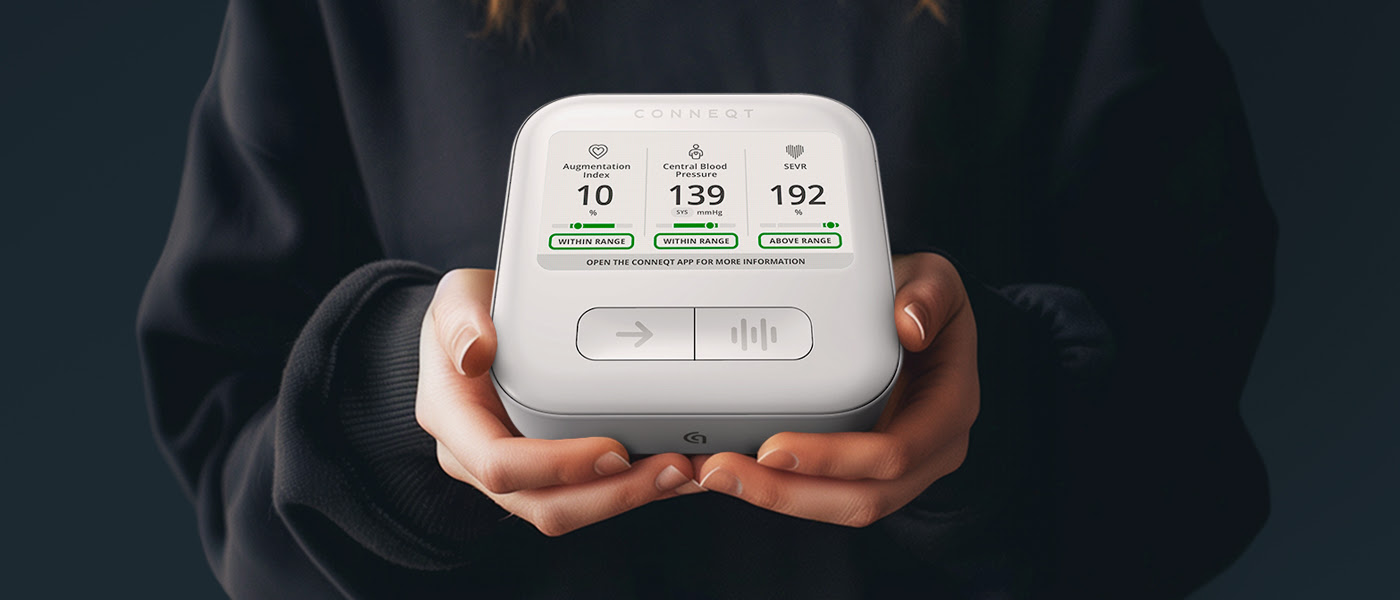
See your results directly on Pulse, with labels and reference ranges. Example display shown.
Care+ is a separate reporting product exclusively for Pulse owners. Explore averages, reference ranges and explanations.
Built on SphygmoCor technology
Established science.
Now in your hands.
Used by clinicians and researchers for more than 20 years. Pulse brings pulse wave analysis into a familiar home cuff.
How Pulse was testedOf clinical and research use.
Peer-reviewed publications from research supported by SphygmoCor.
Patients measured with SphygmoCor in pharmaceutical trials.
Figures describe the SphygmoCor platform. Explore the research library.
Make Pulse yours
One purchase.
A growing record.
All seven measurements. App history and trends. Yours to use without a required subscription.
- Pulse, your selected cuff and charging cable.
- All seven measurements, app results, history and trends.
- A free month of Care+, exclusively for Pulse owners.
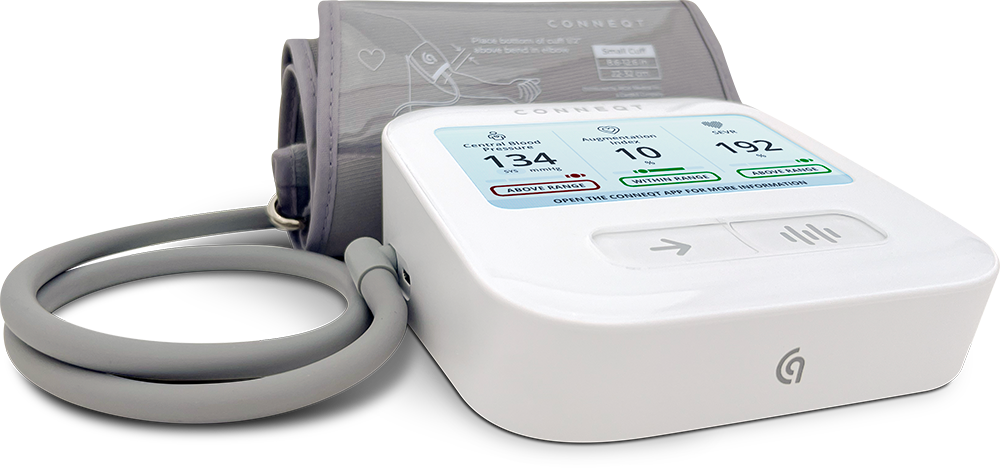
Measure your upper arm for the best fit.
HSA/FSA eligible. Plan requirements apply.
For adults 18+ who are not pregnant. Complete a secure prescription form after checkout. No appointment or video visit required.
Care+ Exclusive to Pulse owners
Your month.
Brought into focus.
Pulse gives you your readings, history and trends. Care+ brings your measurements together in reports with averages, reference ranges and clear explanations, helping you understand your results in context.
Monthly Cardiology Report. See the past 30 days together, with averages, reference ranges and explanations.
On-Demand Assessments. Get a report for a recent measurement session, whenever you choose.
Shareable PDFs. Keep your reports, revisit them or share them when useful.
A free month of Care+, exclusively for Pulse owners.Starts when you first pair Pulse with the app. Ends automatically without charge.
Care+ reports do not include clinician review.
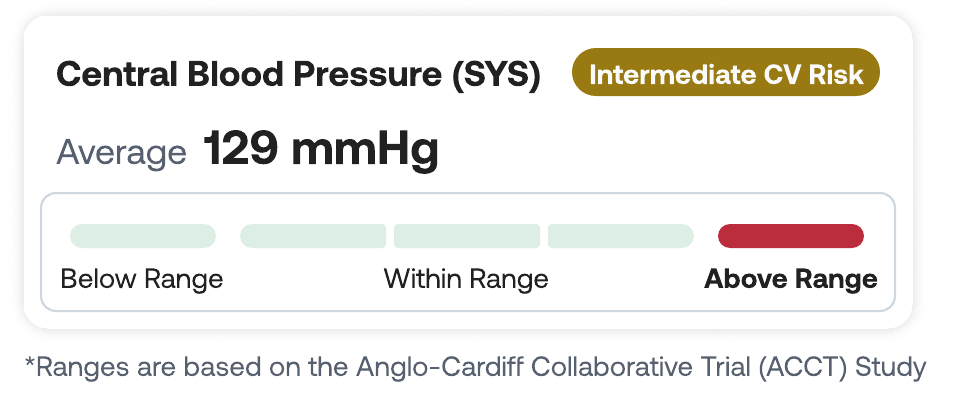
Sample Care+ cardiology report
How is Pulse different from a regular blood pressure monitor?
Pulse reveals pressure near your heart that your arm reading alone can miss. It also adds measurements related to artery stiffness, with your results and trends together in the app.
Does Pulse require a subscription?
No. All seven measurements, app results, history and trends are included with Pulse. Care+ is a separate reporting product exclusively for Pulse owners, and your purchase includes a free month.
What happens after I purchase?
Complete a secure prescription form after checkout. No appointment or video visit is required. When Pulse arrives, the app guides you through setup.
Do I need my phone for every reading?
No. Once set up, you can take readings and see results directly on Pulse, then sync with the app later.
Can I use HSA or FSA funds?
Yes. Pulse is HSA/FSA eligible. You can use your HSA/FSA card at checkout, subject to your plan’s requirements.
Can two people share one Pulse?
Pulse is designed for one person and one account. For two people to track their readings separately, each needs their own Pulse.
Does Pulse come with a warranty?
Yes. Pulse comes with a one-year limited warranty covering defects in materials and workmanship during ordinary intended use.
More to understand.
A record that’s yours.
Measurements, history and trends included. No required subscription.