

Wearable health tech has made tracking easier than ever. Numbers show up quickly and often look like medical data. But looking medical isn’t the same as being medically meaningful.
Seeing numbers isn’t the same as understanding what they mean for your actual health.

Medical Grade, Accurate, FDA-Cleared Heart Insights.
Save 10% on checkout with code VITALITY
Not all health data is meant to guide decisions. Regulators draw a clear distinction between wellness tracking, which raises awareness, and medical devices, which support interpretation and clinical decision-making. Blood pressure sits firmly on the medical side of that line.
Without that distinction, people can begin making health decisions based on numbers that were never intended to guide medical action.
Blood pressure is especially sensitive to this confusion, because it is not just a trend metric. It is a clinical signal that carries defined thresholds and medical meaning.
What Wellness Tracking Is (and Is Not) Designed to Do
Products in the wellness category are designed to support healthy habits and lifestyle awareness. Under guidance from the U.S. Food and Drug Administration, they are allowed to promote behaviors associated with better health as long as they remain low risk and avoid medical use cases.
In practice, these tools help people notice patterns related to sleep, activity, stress, or recovery. The goal is awareness, not confirmation of risk.
Most popular wearables use optical sensors worn on the wrist or finger, built for general lifestyle tracking rather than clinical measurement. They can be useful for spotting trends over time, but they are not designed to support clinical interpretation of blood pressure.
As a result, they cannot diagnose disease, screen for clinical conditions, monitor disease progression, or guide treatment decisions. Those limits are intentional.
Tracking for awareness has value. But awareness and interpretation are not the same thing.
Why Blood Pressure Is Categorically Different
Blood pressure is not “just another wellness metric.” It is a foundational clinical measurement used to screen for cardiovascular risk, monitor health over time, and guide treatment decisions.
Clinical organizations such as the American Heart Association define blood pressure categories because those ranges are directly tied to cardiovascular outcomes. These thresholds exist because blood pressure meaningfully informs medical decisions.
A blood pressure reading is not neutral data. Its meaning depends on how it is framed and interpreted.
120/80 is not just a number. It is a medical reference doctors use to understand blood pressure. When a product compares readings to that number, through labels, targets, or thresholds, it moves beyond tracking and into medical interpretation.
This is also where consumer confusion often begins. Numbers may look interchangeable across devices, but their intended use and meaning are not.
The Interpretation Line Wellness Products Cannot Cross
Wellness products are allowed to exist under lighter rules than medical devices. That flexibility helps new products reach the market faster, but it also limits what they are allowed to explain or interpret.
This is not about technology. It is about regulation and precision.
Clinical ranges and thresholds are medical interpretation. Framing values as “normal,” “elevated,” or “high” implies risk and potential medical action. That framing is precisely what wellness products are required to avoid.
Importantly, inclusion under the FDA’s general wellness policy does not mean a product has been reviewed for accuracy, safety, or clinical effectiveness. The policy exists to allow low-risk lifestyle tools to reach consumers, not to validate medical performance.
Because numbers can influence decisions even without disease labels, regulators focus on how data is presented, not just what a product claims. Data that looks medical can shape behavior like medical information on its own.
If a product avoids medical claims, its data cannot be used to support medical decisions. That is how the category is defined.
What a Medical Device Is Allowed to Do
Medical devices fall into a different regulatory category. FDA-cleared medical devices are allowed to interpret blood pressure using clinical reference ranges, support ongoing monitoring, and produce reports that can be reviewed by clinicians.
This difference is not about how advanced the technology is. It is about what the device is legally allowed to do with its data. Medical devices are allowed to stand behind their data in serious, real-world health situations because they are evaluated, validated, and cleared for medical use.
This boundary is actively enforced. The FDA has issued warning letters to companies that attempted to estimate or interpret blood pressure without proper authorization.
The Right Mental Model: Awareness vs Confirmation
Wellness tools and medical devices are not competing roles.
Daily tracking is designed to surface patterns and prompt curiosity. Medical devices exist to validate and confirm what those patterns actually mean and to inform better clinical decisions.
Using wellness tracking for daily awareness makes sense. But when trends persist, readings raise concern, or action may be needed, validated medical devices become essential.
Understanding heart health isn’t about collecting more numbers. It’s about knowing which measurements are designed to be interpreted, and how they change over time.
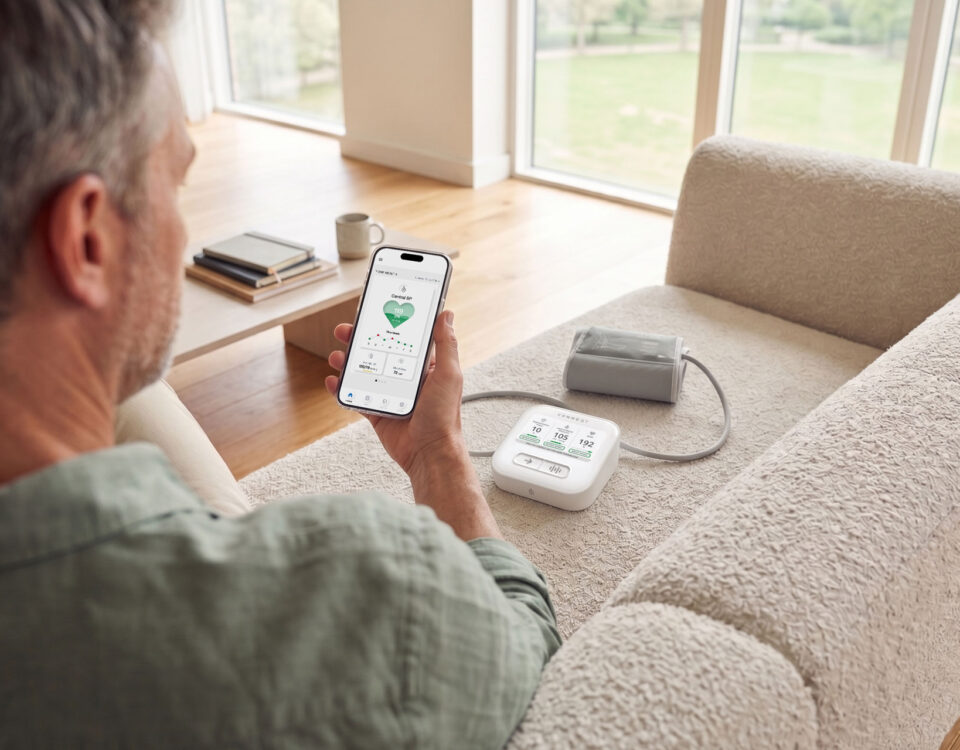
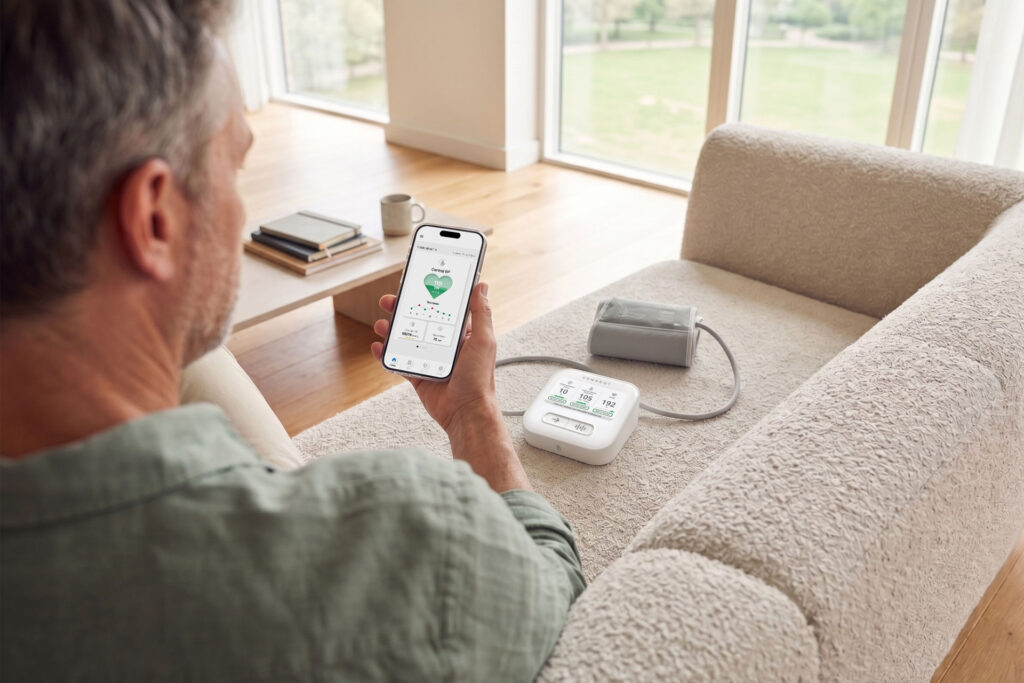
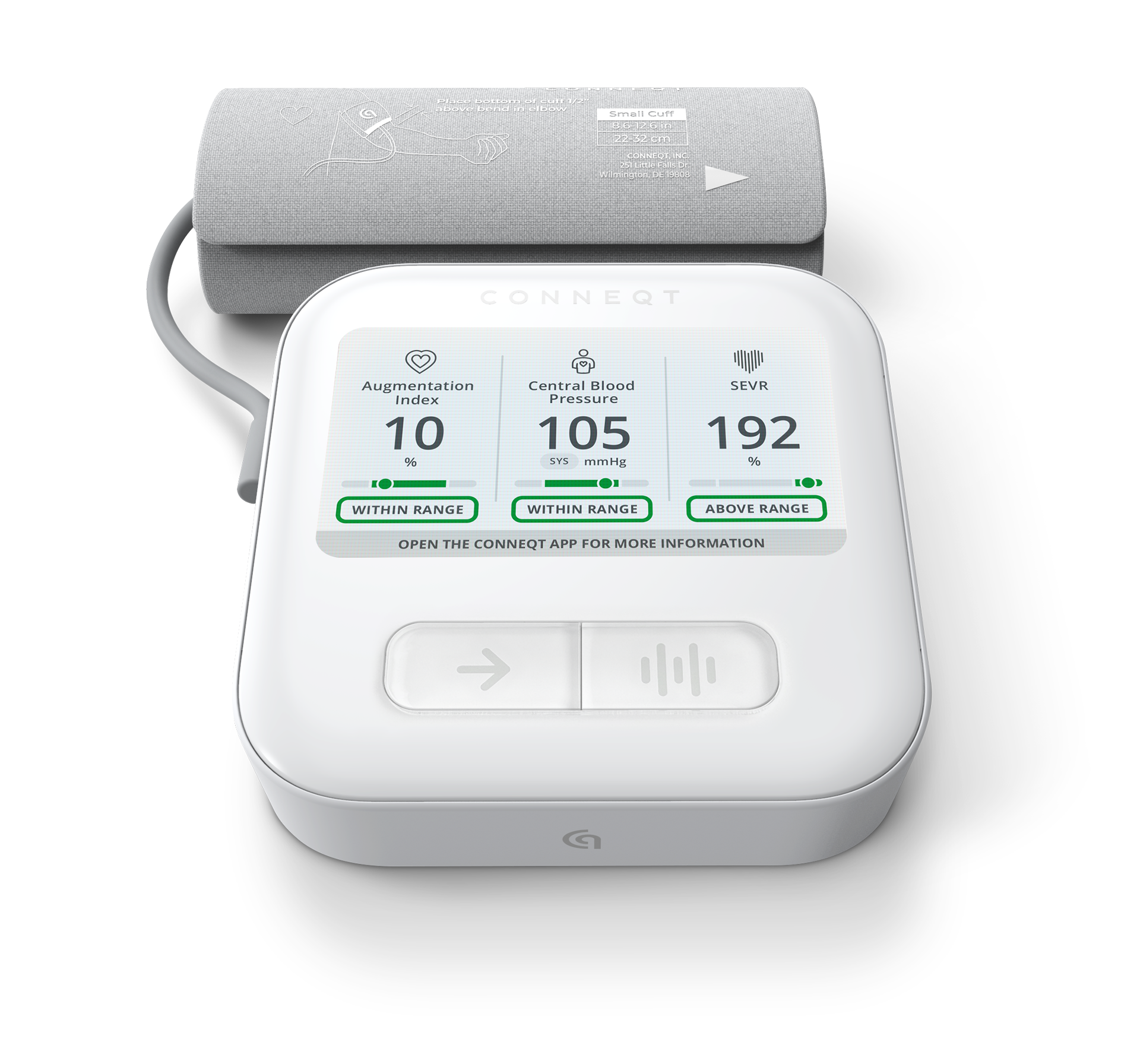
That’s where The CONNEQT Pulse comes in. As an FDA-cleared medical device, The Pulse measures and interprets blood pressure in a clinically meaningful way, supporting long-term monitoring rather than isolated readings.
With Care+, those measurements are translated into structured reports that support informed conversations with clinicians and ongoing care.
Wellness devices can estimate numbers. Medical devices are allowed to explain what those numbers mean and help guide appropriate next steps.