

For your heart, self-care isn’t indulgence. It’s essential maintenance.
February is Heart Month, and while cardiovascular disease is often seen as an issue that comes with age, daily check-ins and long-term awareness start much earlier. And they matter much more. Heart health doesn’t begin at the clinic. It begins in your kitchen, at your desk, or while you’re traveling, wherever routine decisions shape your cardiovascular resilience.
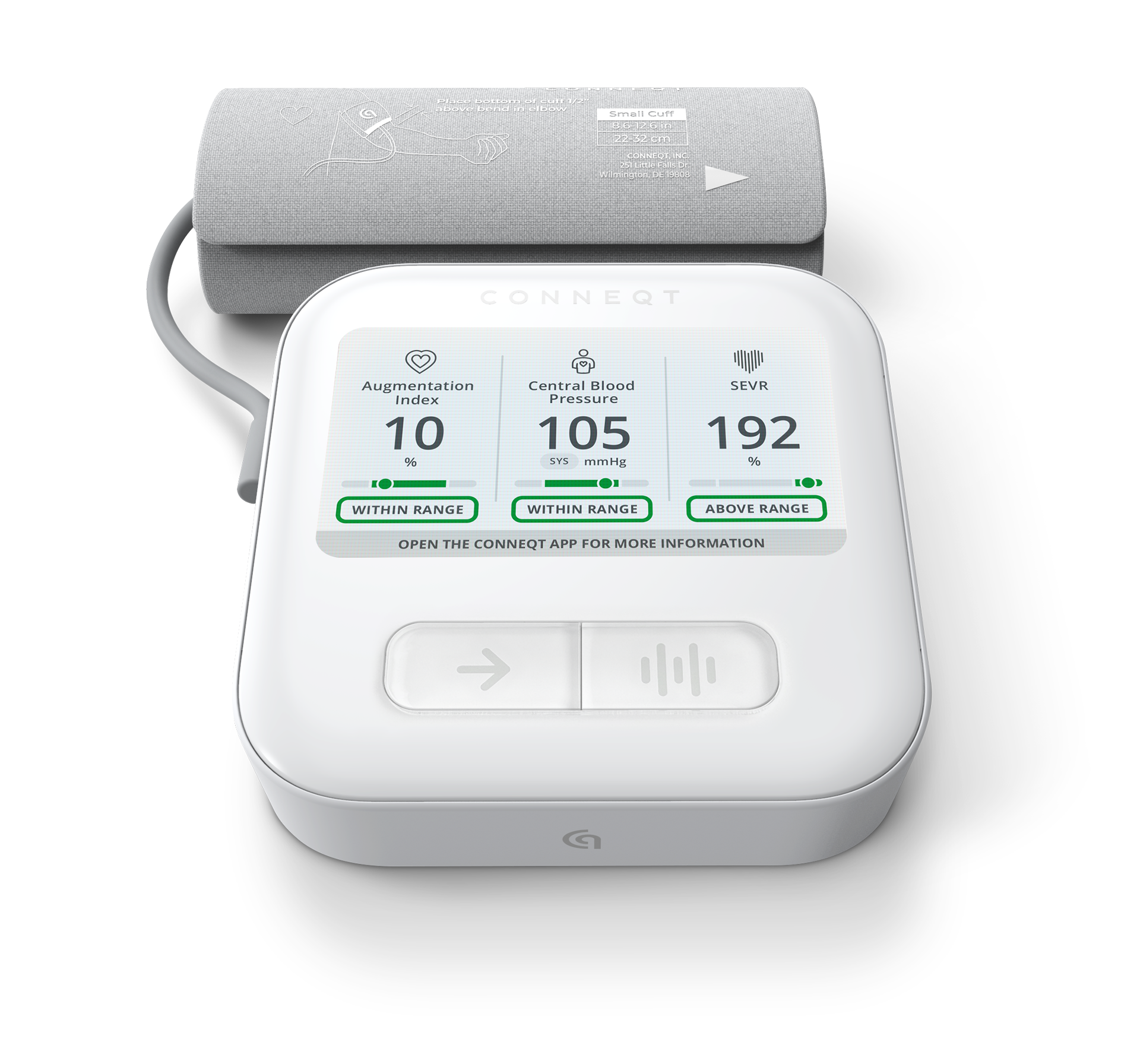

Medical Grade, Accurate, FDA-Cleared Heart Insights.
Save 10% on checkout with code VITALITY
Self-care has evolved. What once meant spa days or cheat meals now reflects how we care for our energy, longevity, and internal systems over time. The American Heart Association calls self-care a necessity, not a luxury. Heart awareness belongs squarely in that conversation.
That’s why this month, we’re focusing on the daily habits that truly make a difference. Throughout Heart Month, we’ll explore how choices like food, movement, and tracking quietly shape the way your arteries age and adapt over time.
The New Definition of Self-Care
Self-care has grown up. Today, it’s less about short-term relief and more about long-term protection: hydration, daily movement, better sleep, and small acts of awareness.
According to the National Institutes of Health, self-care means what you do each day to stay healthy or manage ongoing conditions like high blood pressure or diabetes. That includes keeping an eye on your numbers, especially the ones that tell the story of your heart.
It also includes the lifestyle patterns that influence those signals over time: how you eat, how you move, how well you sleep. Small, consistent actions are far more powerful than one-time efforts.
Cardiovascular risk rarely appears overnight. It develops gradually, often through patterns we don’t notice. The earlier we spot them, the more we can do.
A Five-Minute Habit That Changes the Narrative
Here’s the thing: a heart check-in doesn’t require a stethoscope or an appointment.
Maybe it’s while your coffee brews. Or after a flight, before your next meeting. These are moments where a quick reading grounds you in data instead of guesswork.
The CDC and American Heart Association both recommend self-measured blood pressure monitoring as a reliable way to detect high blood pressure early, often before symptoms appear. And here’s what many people don’t know: one in three adults experience “white coat syndrome,” where readings spike in clinical settings. At-home monitoring gives you a clearer, more accurate picture of what’s actually happening.
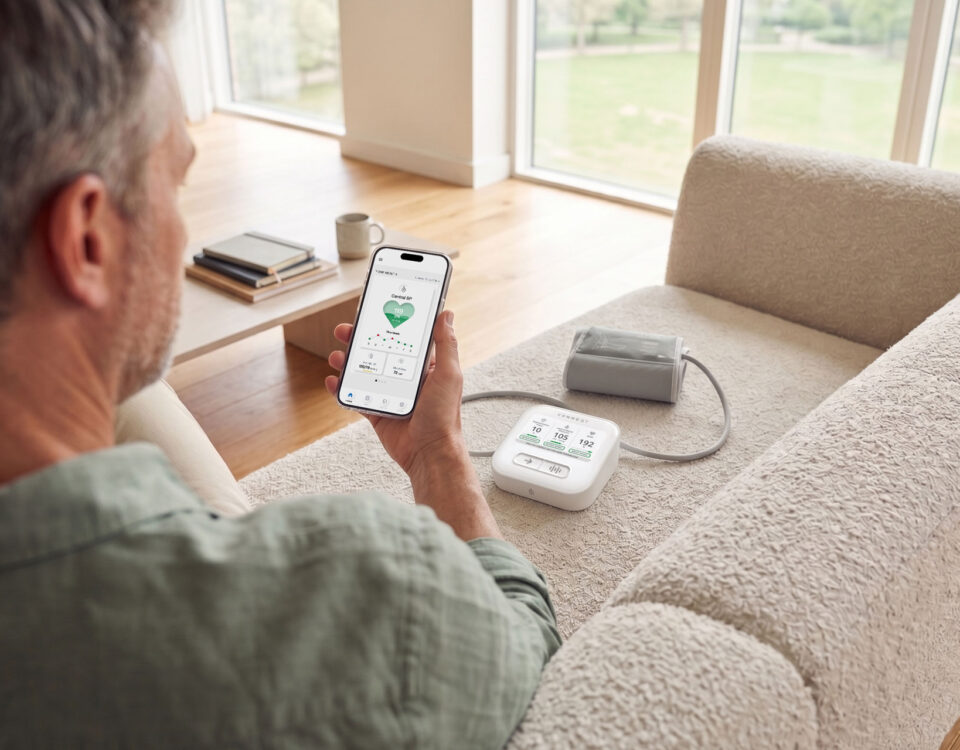
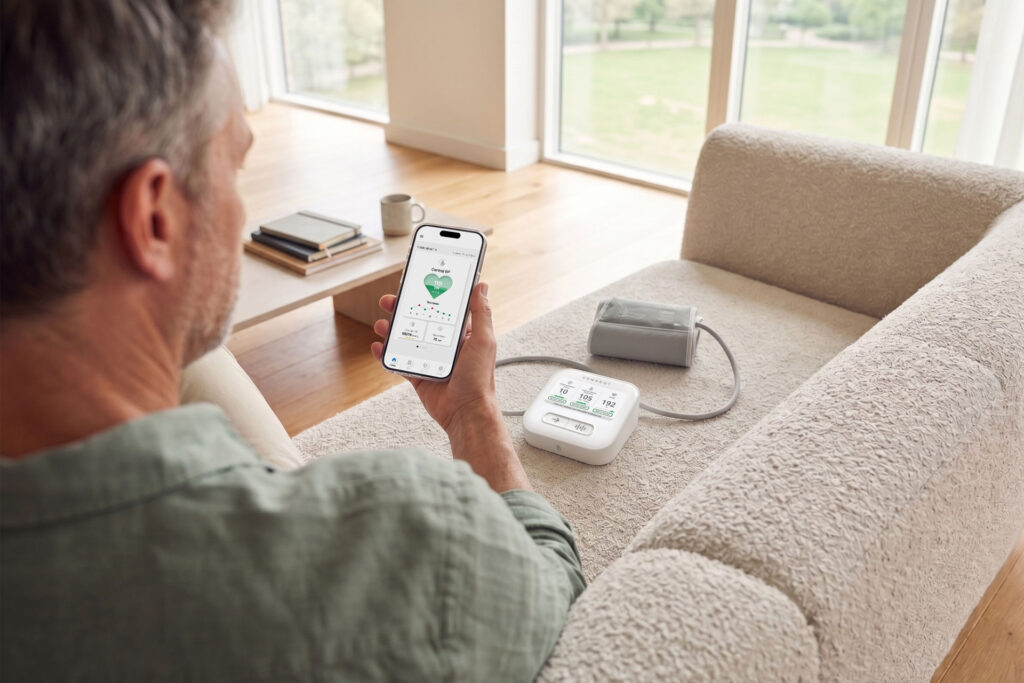
This is where tools like the CONNEQT Pulse become part of your routine. Not because something’s wrong, but because paying attention is powerful. A few minutes of focus, built into your real life, gives you a clearer view of how your heart is responding. And that clarity gives you options, whether it’s adjusting your meals, refining your training, or having better conversations with your doctor.
Make It Normal, Not Medical
Health monitoring doesn’t have to feel heavy or clinical. The more routine it becomes, the more useful it gets. A quick blood pressure check can be as ordinary as filling a water bottle or glancing at your calendar.
To make it part of your self-care routine:
- Sit upright, feet flat, arm supported at heart level
- Rest quietly for 5 minutes before starting
- Avoid caffeine or talking during your reading
- Measure at the same time daily for consistency
- Take two readings, one minute apart, and average them
That’s it. Five minutes of clarity that removes the guesswork.
What Else Supports Your Numbers?
Tracking gives you visibility, but it’s your daily habits that influence what you see over time. A few self-care moves that support healthy blood pressure and arterial health
- Prioritize whole foods like leafy greens, legumes, and berries
- Move regularly, even in short bouts throughout the day
- Reduce sodium by cooking more at home
- Aim for 7–8 hours of sleep to support blood pressure regulation
- Build in recovery. Stress management matters too
This Heart Month, Start Small
Long-term heart health doesn’t require sweeping change. It starts with one habit: five minutes of focus, built into your day.
Self-care isn’t about perfection. It’s about paying attention consistently, calmly, and early. And there’s no better place to start than with your heart.
The CONNEQT Pulse delivers clinical-grade insights like central blood pressure and arterial health markers, helping you understand how your heart is adapting over time. Optional features like Care+ make it easy to share your data with your physician or care team, supporting more informed decisions between visits.
This isn’t about reacting. It’s about staying connected, one reading at a time. Because the best time to care for your heart isn’t when something feels wrong. It’s every ordinary day before that.