
Self-care doesn’t have to announce itself. Most of the habits that shape long-term cardiovascular health happen quietly, long before a diagnosis or a doctor visit makes them feel urgent.
That’s especially true for arterial health. Your arteries don’t age overnight. They respond gradually to patterns: how often blood vessels relax, how stiff they become under pressure, how efficiently blood flows day after day. Food plays a role in that process, not as a fix or a formula, but as steady background support.

Medical Grade, Accurate, FDA-Cleared Heart Insights.
Save 10% on checkout with code VITALITY
When researchers look at eating patterns linked to healthier arteries over time, the same foods keep appearing. Not trendy superfoods. Not extremes. Familiar ingredients that fit into real meals and repeat easily.
Here are five of them, and why consistency matters more than perfection.
Olive Oil Is Less About Fat, More About Flow
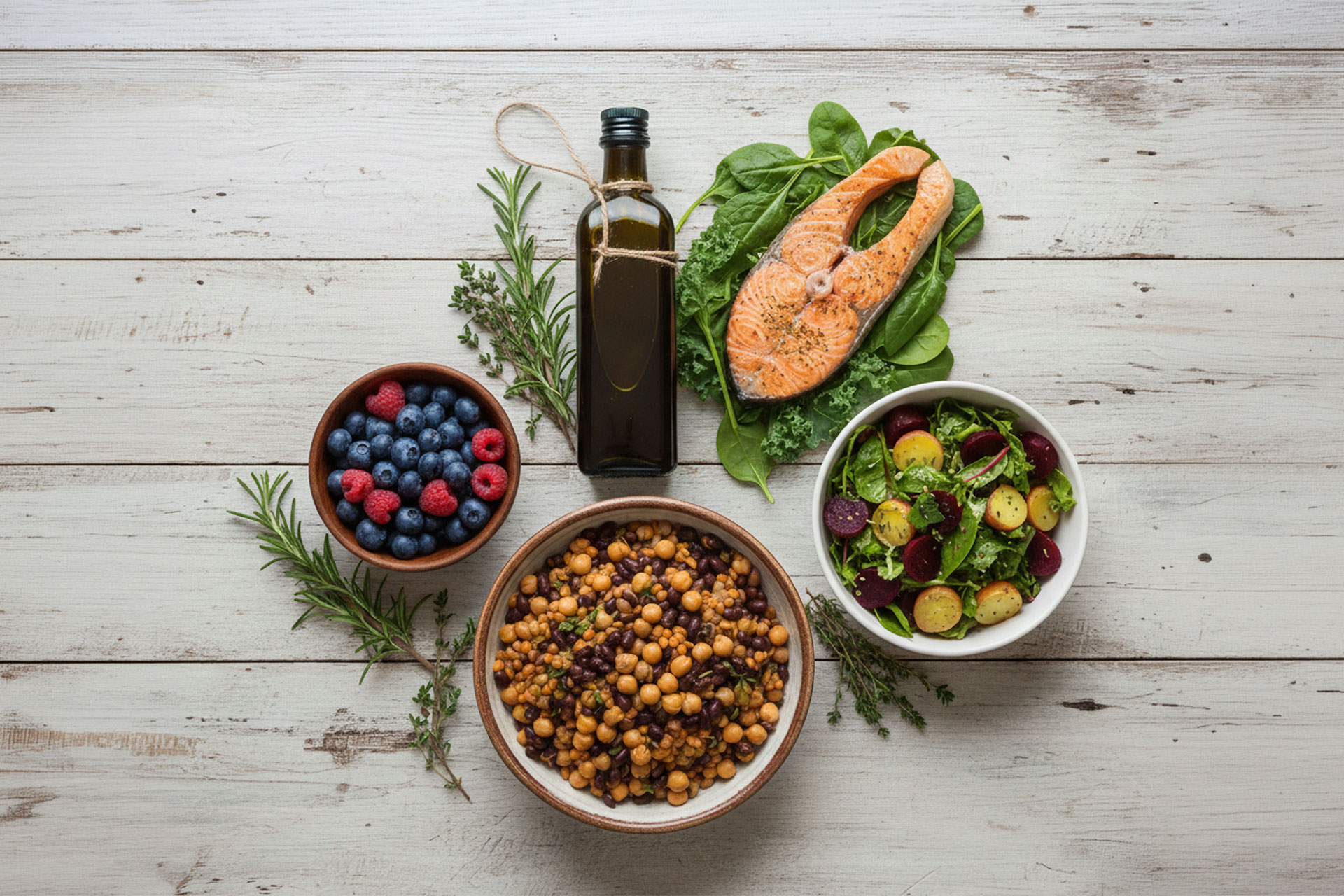
Olive oil shows up in vascular research for a reason. In Mediterranean-style eating patterns, it isn’t a garnish or a supplement. It’s the default fat, used daily and liberally.
That matters because the lining of your blood vessels, the endothelium, plays a key role in how well arteries relax and respond to changes in blood flow. Olive oil–rich patterns are consistently linked to healthier endothelial function, a marker tied to arterial flexibility over time.
This isn’t about drizzling olive oil on top of everything. It’s about replacement. Using it instead of butter or refined oils. Letting it become part of how meals are built, not something you remember occasionally.
Fatty Fish Supports Arteries Under Pressure
Fatty fish like sardines, salmon, anchovies, and trout are often discussed in the context of omega-3s, but the more interesting story is what those fats mean for arterial behavior.
Habitual intake of fatty fish, rich in long-chain omega-3s (EPA and DHA), has been linked to lower coronary heart disease risk and improved vascular health. These fats influence how arteries respond to pressure, in part through effects on endothelial function and vascular tone. Stiffer arteries reflect pressure back toward the heart, increasing strain. More flexible arteries absorb that pressure more effectively.
That effect is subtle, but meaningful over time. The key word here is modest. These aren’t dramatic, short-term effects. They’re the kind that matter when fatty fish shows up on your plate regularly, week after week.
Leafy Greens Help Arteries Respond, Not Just Relax
Leafy greens bring together dietary nitrates, potassium, and plant compounds that support blood flow and pressure regulation.
Dietary nitrates can increase nitric oxide availability, helping arteries dilate when demand rises during physical or mental stress. Potassium counters excess sodium. Together, these inputs shape how arteries respond over time, not just at rest.
Longer-term studies show the payoff depends on consistency. Weeks of nitrate-rich vegetables have been linked to improvements in blood pressure and vascular function. Short-term studies rarely show dramatic change, and that matters. Leafy greens aren’t a hack. Their value comes from showing up often.
Legumes Quietly Support Arterial Resilience
Beans, lentils, and chickpeas rarely get the spotlight, but they are consistently linked to cholesterol handling and cardiovascular risk.
Soluble fiber, abundant in legumes, helps regulate how cholesterol is absorbed and cleared. Over time, that matters for arterial health. Elevated cholesterol doesn’t just affect lab numbers. It influences plaque development and arterial stiffness as years pass.
Legumes also tend to replace less supportive foods when eaten regularly. They’re filling, affordable, and adaptable, folded into soups, salads, grain bowls, or simple weeknight meals.
Berries Support the Systems That Protect Arteries
Berries are often discussed for their antioxidants, but the more relevant story is their polyphenol content and how those compounds interact with blood vessel function.
In multiple studies, berry intake has been associated with healthier endothelial function, a marker linked to how well arteries respond to changes in blood flow. As with most plant-based benefits, these effects appear strongest when intake is habitual, not occasional.
Fresh or frozen, both count. A handful added to breakfast or snacks is enough. This isn’t about chasing superfood status. It’s about letting color and plant diversity show up regularly.
Bringing Food and Awareness Together
Food supports your arteries quietly. But without visibility, it’s hard to know how those daily choices are adding up.
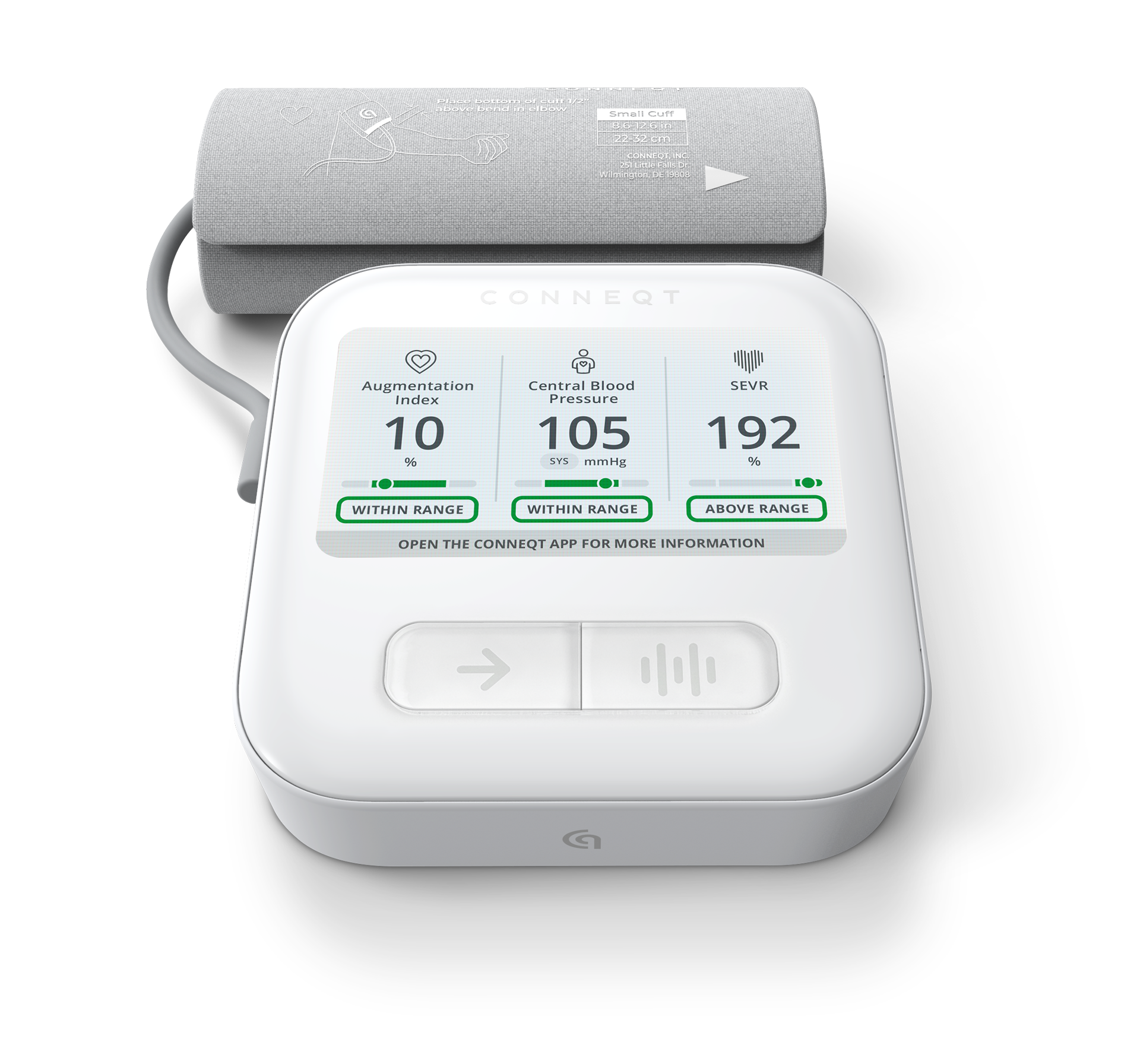
That’s where tracking becomes part of self-care. Tools like the CONNEQT Pulse help you see how your arteries are responding over time, beyond standard blood pressure readings, through deeper signals like central blood pressure and arterial stiffness. It’s not about reacting to one number. It’s about seeing whether things are trending in a healthier direction.
When food, movement, sleep, and stress management work together, patterns emerge. The Pulse makes those patterns visible, so adjustments feel informed instead of guess-based.
For those who want ongoing insight or an easy way to share trends with a physician, Care+ offers optional reporting and clinician-ready summaries to support better conversations between visits.
This isn’t about fixing your heart. It’s about staying connected to it, during the ordinary days when small choices quietly shape the future.