
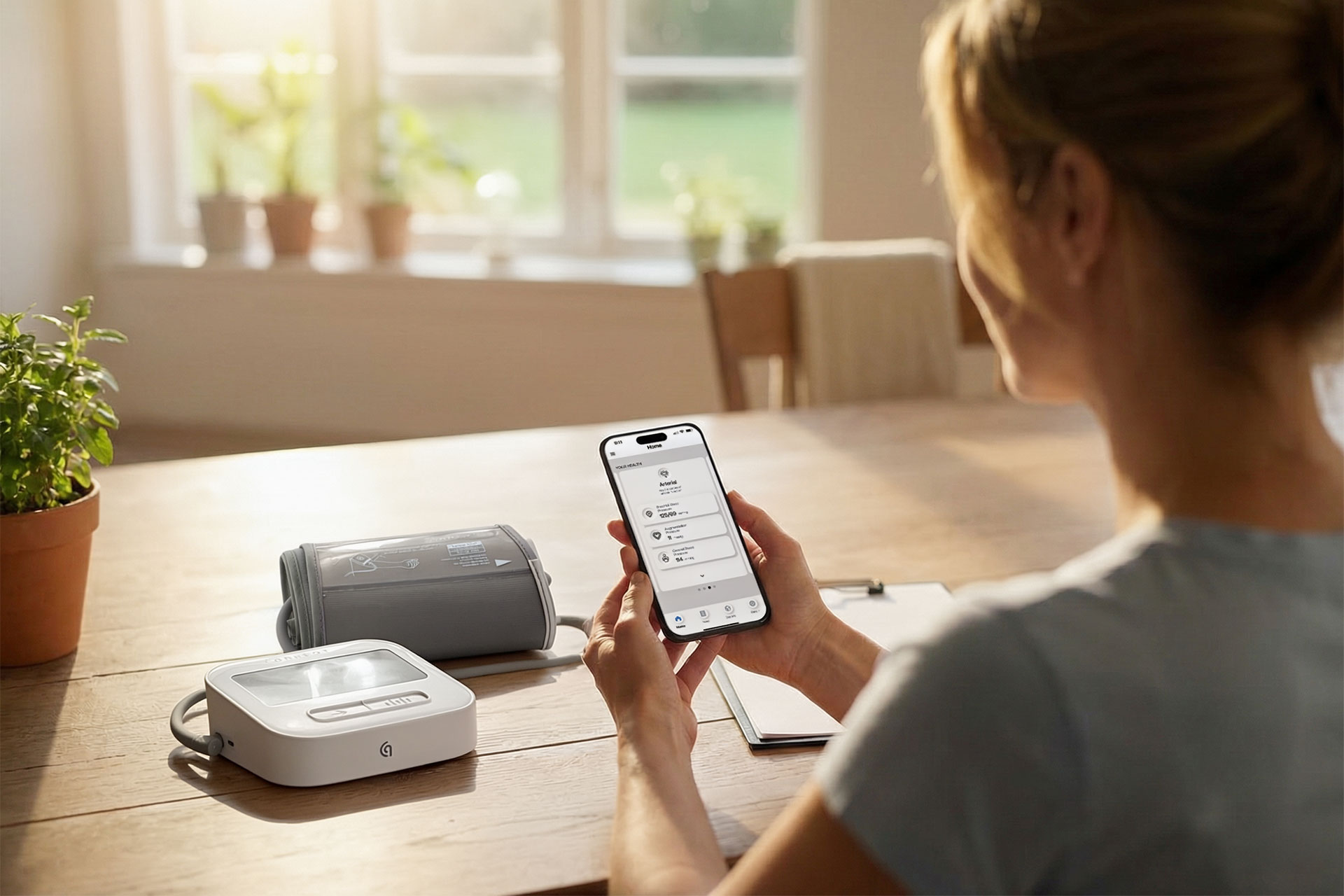
Many people treat 120/80 like a pass-or-fail score. In reality, it is a clinical reference used to interpret blood pressure readings in context. Here is what the numbers mean and what matters more than a single reading.
Most people have heard of 120/80. It is one of those health numbers that feels familiar, even if no one has ever fully explained it.
That familiarity can be misleading.
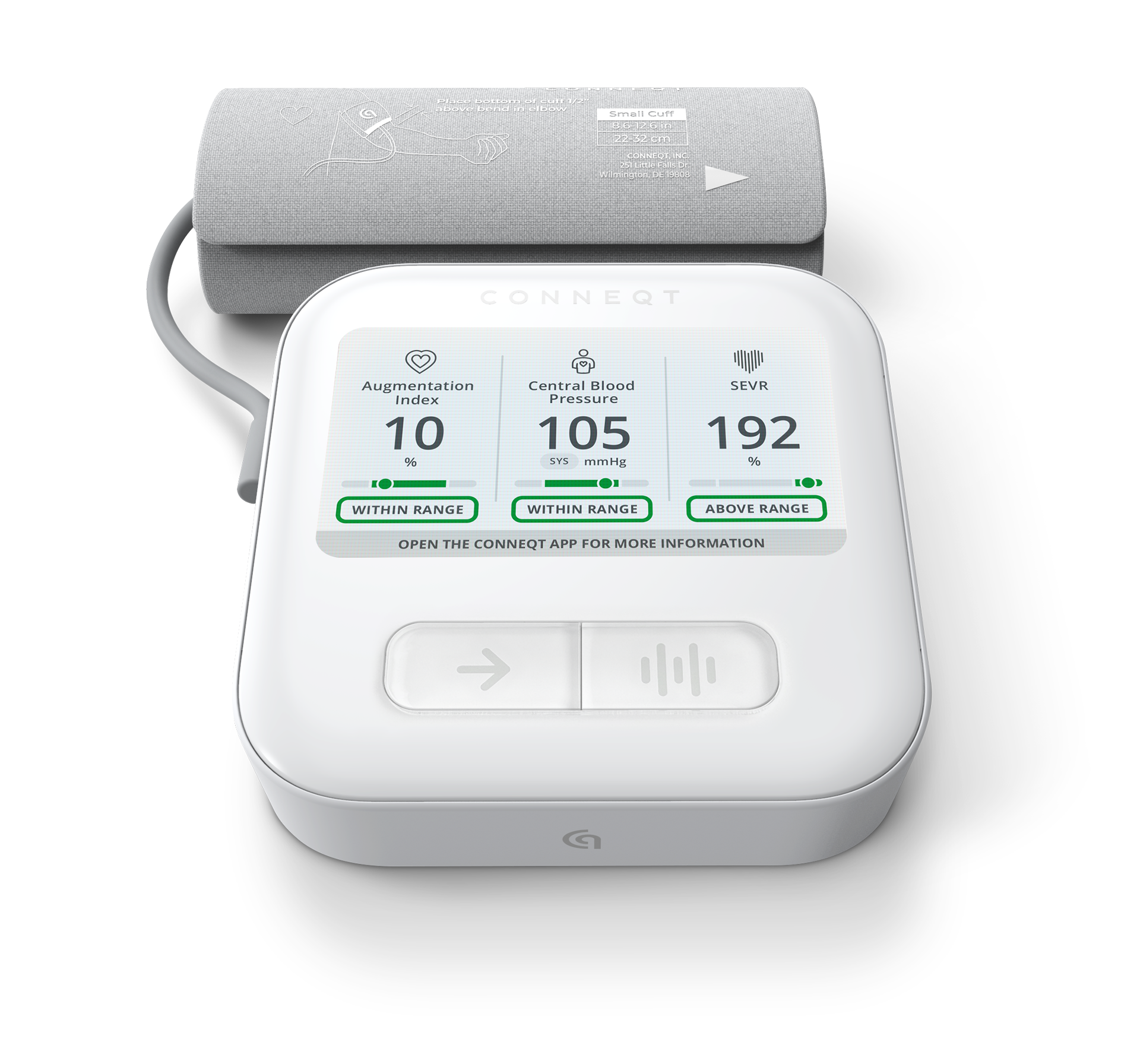

Medical Grade, Accurate, FDA-Cleared Heart Insights.
Save 20% on checkout with code VITALITY
Many people treat 120/80 like a personal scorecard. If their reading lands there, they feel reassured. If it does not, they worry something is wrong. But that is not how blood pressure works in clinical practice.
120/80 is not a grade. It is a clinical reference point used to help interpret a blood pressure reading.
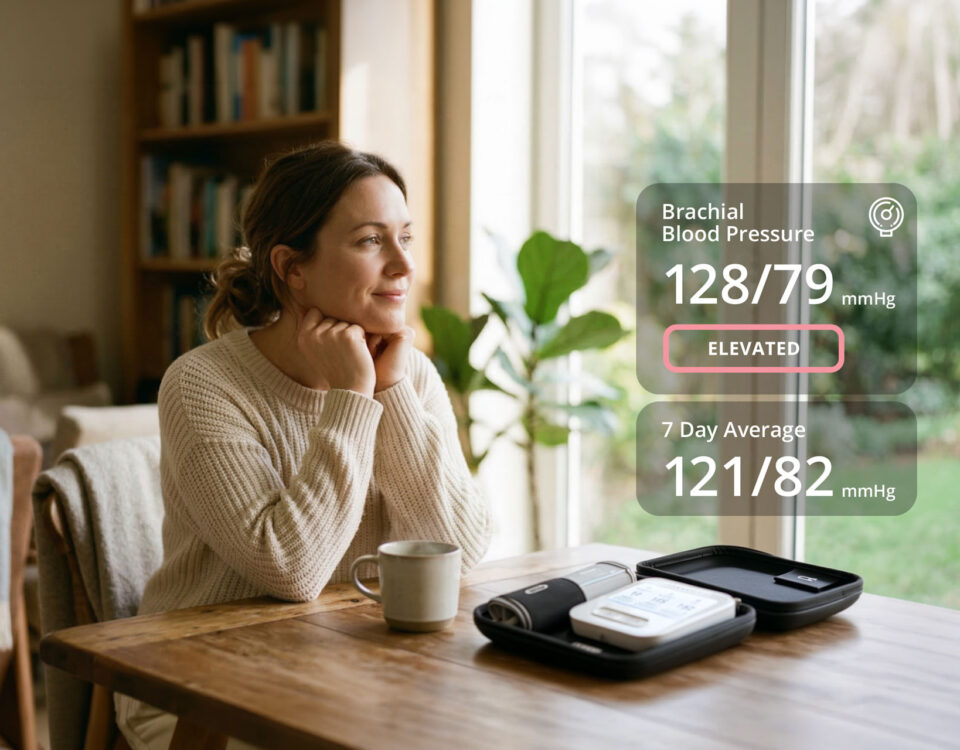
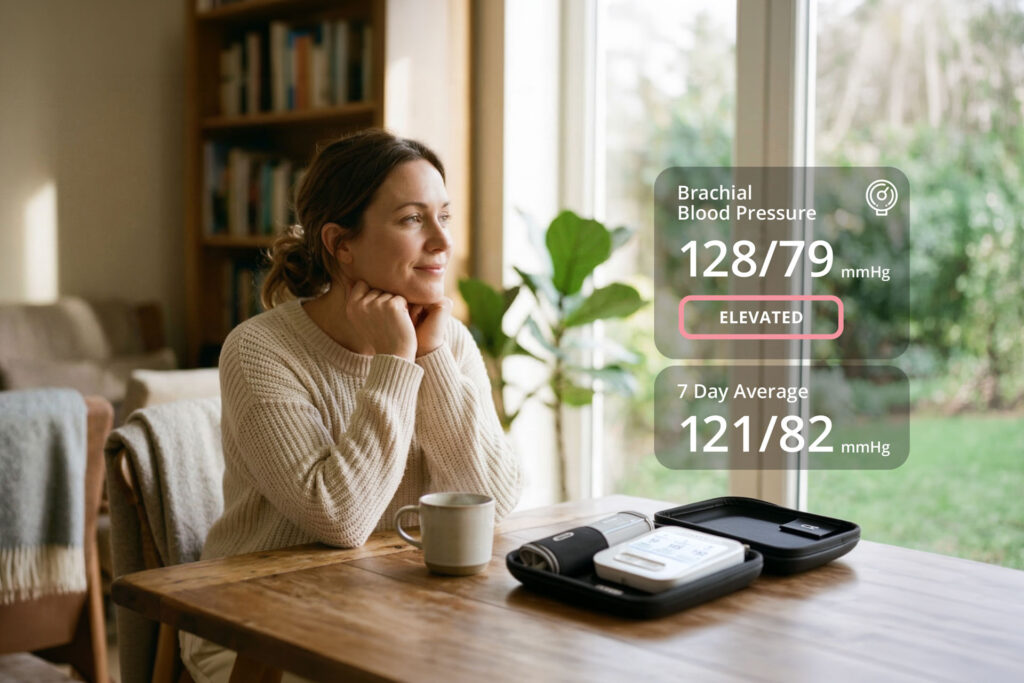
That distinction matters because blood pressure is not static. It changes throughout the day, and a single reading often reflects the moment more than the bigger picture. Stress, sleep, caffeine, hydration, posture, and timing can all shift the number.
The goal is not to obsess over one reading or chase a perfect number. The goal is to understand what the numbers mean, how clinicians use them, and what patterns over time can tell you. If your readings seem to bounce around, you are not alone. We will come back to that. The short version: 120/80 is most useful as a reference for interpretation, not a verdict on your health.
What 120/80 actually means: blood pressure readings explained
Blood pressure is written as two numbers because it reflects pressure in your arteries at two points in the heartbeat cycle.
The top number is your systolic pressure, the pressure when your heart contracts and pushes blood forward. The bottom number is your diastolic pressure, the pressure when your heart relaxes between beats.Together, these numbers give clinicians a snapshot of what your cardiovascular system is doing at that moment. What makes the reading useful is not just the number itself, but how it is interpreted within a clinical framework. Organizations like the American Heart Association describe blood pressure using categories that help clinicians make sense of readings, guide follow-up, and decide what needs closer attention.
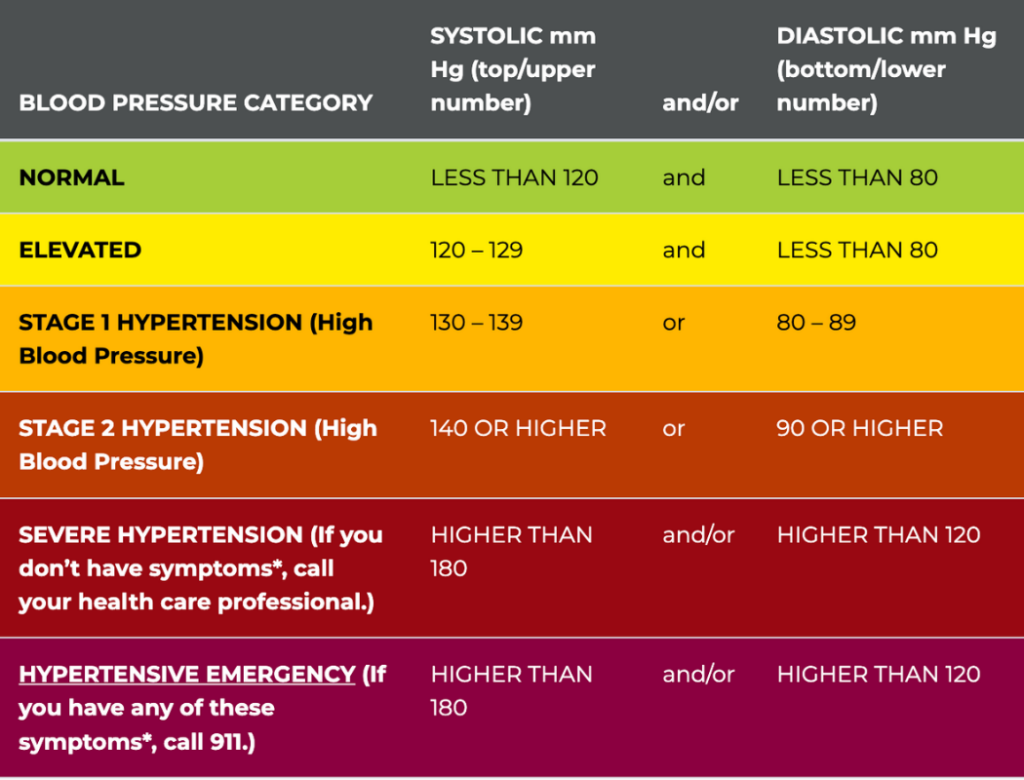
That is why 120/80 is best understood as a clinical reference point, not a universal target you are supposed to hit at all times. It helps orient the reading. It does not define your health on its own
If your readings seem to change from day to day, that does not automatically mean something is wrong. For a deeper look at why blood pressure fluctuates and what patterns are worth watching, read our guide here.
Reference, not scoreboard
When people think of 120/80 as a scoreboard, every reading can feel like a pass or fail moment. That mindset is stressful, and it makes normal day-to-day variation feel more dramatic than it is.
Clinicians use blood pressure categories to help interpret readings, but they do not use one number in isolation to define your long-term cardiovascular health. A reading near a common reference point does not automatically mean everything is fine. A reading that appears out of range does not automatically mean the same thing for every person.
What matters is the broader picture, including repeat readings, patterns over time, how readings were taken, your health history and risk context, and other factors a clinician may consider.
The more useful framing is this: reference, not verdict. Context, not panic. Patterns, not one-offs. That mindset does not minimize blood pressure. It makes tracking it more useful.
Myth vs. Fact: What 120/80 Really Means
Myth: 120/80 is a perfect score everyone should hit all the time.
Fact: It is a clinical reference point used to interpret readings, not a personal grade.
Myth: One higher reading means something is seriously wrong.
Fact: Blood pressure can shift for many normal reasons. Patterns over time are usually more informative than one reading.
Myth: If a device gives me a number, it tells me everything I need to know.
Fact: A number becomes more useful when interpreted in a clinical context, with consistent measurement practices and trends over time.
Myth: If a reading looks normal, I never need to think about it again.
Fact: Blood pressure is one part of a bigger picture. Tracking changes over time can still be valuable.
Why a single reading can mislead: what causes blood pressure to fluctuate
A common question at this point is whether normal blood pressure changes with age.
Clinical categories are generally used as adult reference ranges for interpretation. What varies more from person to person is risk context and what a clinician recommends based on pattern, health history, and other factors. That is one more reason a single number does not replace clinical interpretation.
Blood pressure changes throughout the day because your body is constantly responding to what you are doing and what is happening around you. One reading may reflect the moment more than your broader pattern.
Common reasons readings vary include time of day, stress, sleep quality, caffeine, hydration, posture, recent exercise, illness, pain, and even whether you were rushing before you measured.
This is where many people get stuck. They see a higher number and assume something has changed in a significant way. Sometimes that is worth paying attention to. But often it is simply a reminder that context matters.
The better approach is not to ignore the reading and not to panic over it. It is to recheck when appropriate, measure consistently, and look for patterns over time. That is also why clinicians rely on categories plus repeat measurements and context, rather than one isolated number.
“A single reading is a snapshot. A pattern is a signal.”
What clinicians actually do with these numbers
In practice, clinicians use blood pressure categories to help organize and interpret readings. Those categories guide conversations about whether a reading should be monitored, rechecked, or followed up more closely. Importantly, clinicians generally do not treat one isolated reading as the full answer. A reading becomes more meaningful when it is placed in context.
This is also where consistent home tracking can help. When people bring a pattern rather than a single number, it often makes for a more useful clinical conversation.
Note: This article is educational, not a diagnosis tool. If you notice persistent changes in your readings, discuss them with a healthcare professional.
What this means for you at home
The most helpful way to use 120/80 at home is as a reference for interpretation, not a number to chase. A single reading can still be useful, but what matters more is the pattern that forms when you measure consistently and track a little context.
A repeatable routine matters more than a perfect one. Try to measure at similar times of day, sit quietly for a few minutes before measuring, use the same device when possible, and avoid measuring immediately after exercise, caffeine, or a stressful moment. If it fits your device instructions, taking two to three readings about a minute apart can also help reduce overreaction to a single outlier.
Logging brief context notes alongside your readings can make it easier to spot patterns and have a more informed conversation with a healthcare professional later. Useful things to note include sleep quality, stress, caffeine, exercise, and illness.
If your readings are consistently higher than usual or changing over time, it is worth discussing the pattern with a clinician. Bring your readings and notes. A pattern is usually more useful than a single number when deciding what to do next.
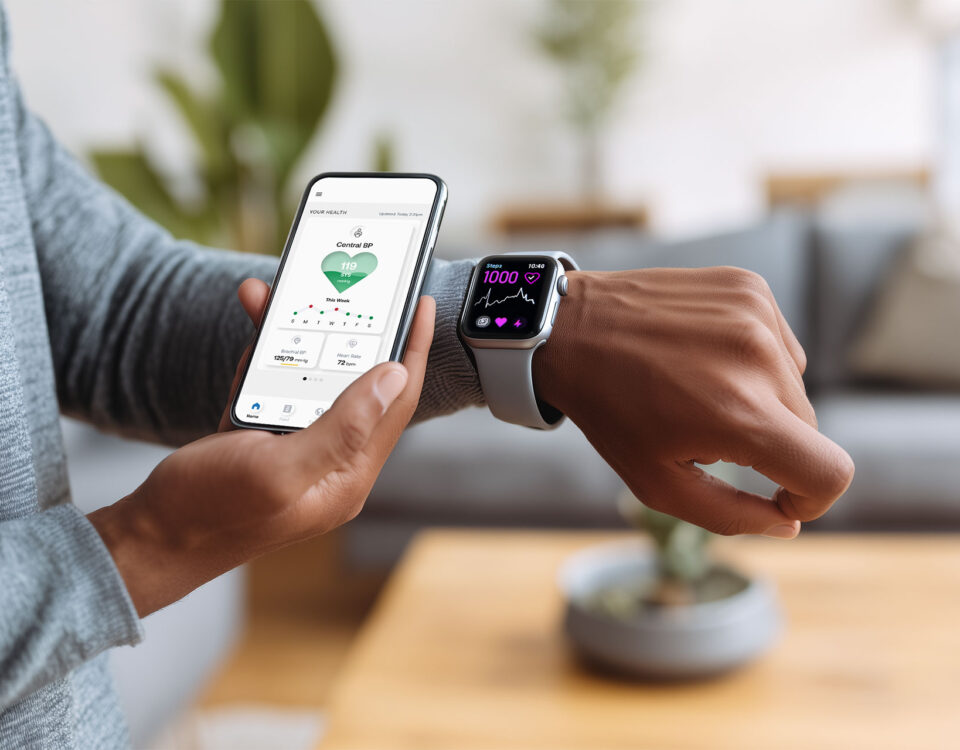
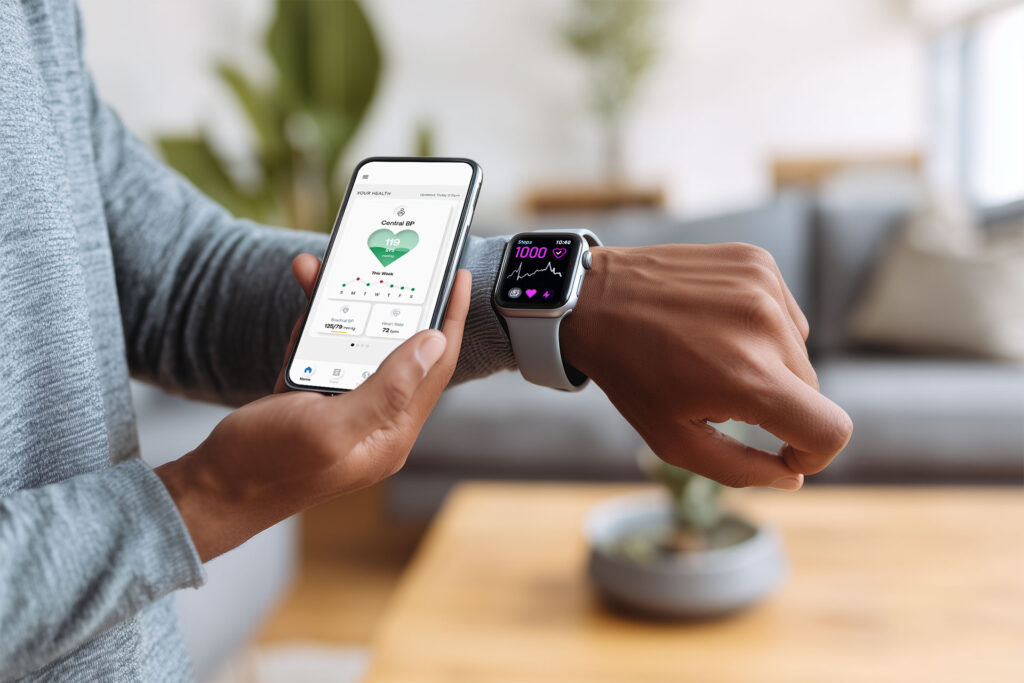
Consistent, medical-grade measurement can help people who want more visibility at home. CONNEQT Pulse is designed to capture high-quality readings and make it easier to follow change over time, not just collect numbers.
Checklist: How to Take a More Useful Home Reading
- Measure at a similar time of day
- Sit quietly for a few minutes first
- Use the same device when possible
- Keep posture and setup consistent
- Avoid measuring right after exercise, caffeine, or stress when possible
- Take two to three readings if that fits your routine and device guidance
- Log context like sleep, stress, and hydration
- Focus on patterns over days and weeks
A useful reading is not about perfection. It is about consistency.
Confidence over fixation
The point of 120/80 is not that you should treat it like a score you either pass or fail. Its value lies in giving clinicians and patients a shared reference point for interpreting blood pressure readings. That makes it useful. It also explains why a single reading rarely tells the full story.
A more helpful approach is to use the number as a reference and then look at the pattern. Measure consistently. Track a little context. Pay attention to what changes over time.
That approach can reduce unnecessary anxiety, make home tracking more useful, and help you have a better conversation with a healthcare professional when you need one. You are not trying to win a perfect number. You are building a clearer picture of your cardiovascular health.
Read the guide: Why Blood Pressure Readings Fluctuate, and What to Do About It.