

A small randomized study found that six weeks of structured boxing training improved blood pressure and vascular function in young adults with early hypertension. It turns out arterial health can respond faster than most people expect.
Blood pressure rarely feels urgent in your 20s or 30s.
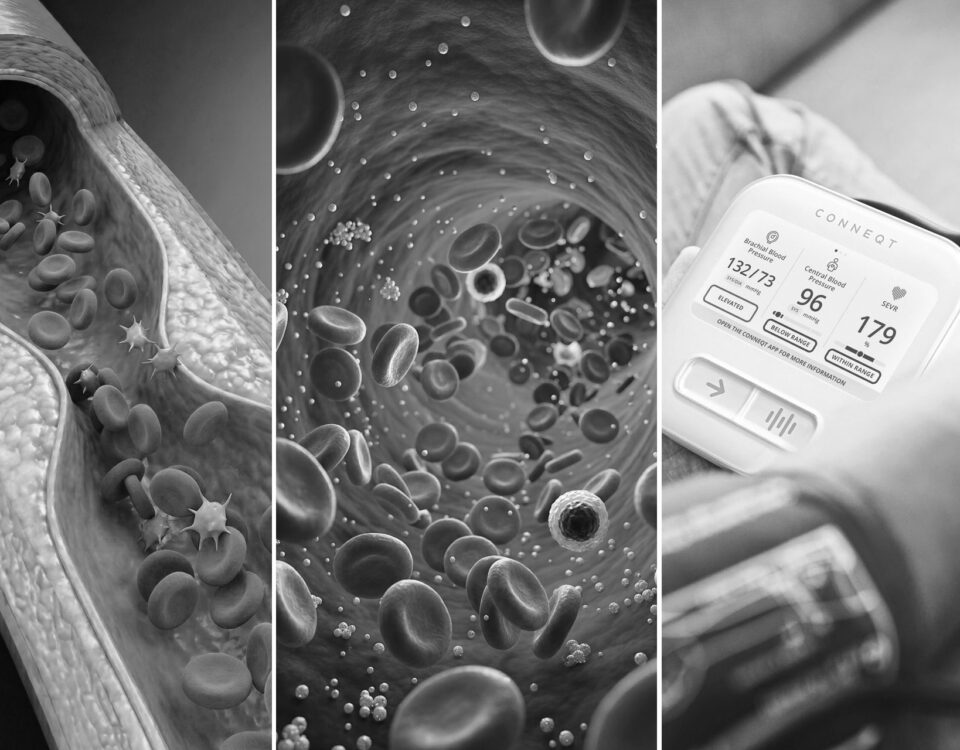
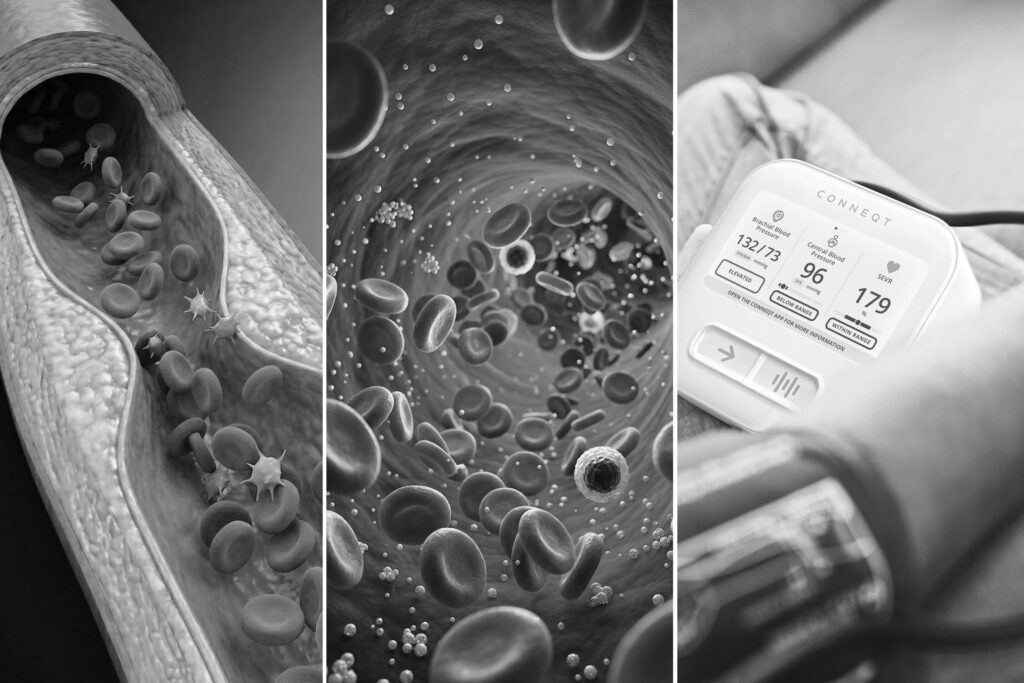
But early high blood pressure can start shaping arterial health long before anyone feels symptoms. The changes are subtle at first: a little less flexibility in the arteries, a little more resistance in blood flow. Over time, that “quiet” shift can become a louder problem.

Medical Grade, Accurate, FDA-Cleared Heart Insights.
Save 20% on checkout with code VITALITY
That’s why this study is worth paying attention to: it tests what happens when you apply a structured, higher-effort training stimulus consistently for a short period, in people who are still early in the risk curve.
It’s also a reminder that heart risk can start shifting earlier than most people think.
So rather than treating prevention as something you start in midlife, think of it like any long-term performance habit: you build the base early. Small, repeatable inputs now can change how your cardiovascular system handles pressure and flow later, when the stakes are higher.
What the study tested: boxing training and blood pressure
Researchers at the University of Texas at El Paso recruited 24 young adults with elevated blood pressure or stage 1 hypertension and randomly assigned them to one of two six-week programs: a structured boxing training plan or a lower-intensity control routine focused on flexibility and balance. The group included both men and women, with a mean age of 25.
The boxing group trained three times per week using timed rounds that included higher-effort intervals, not just technique. The control program provided movement and skill practice, but without the same cardiovascular demand.
To see what changed, the researchers measured both pressure and vessel function: standard arm-cuff blood pressure (brachial BP), blood pressure closer to the heart (central BP), how well blood vessels respond to changes in flow (endothelial function), and limb blood-flow measures at rest and during peak exertion (resting and peak flow).
What changed in six weeks: blood pressure, vascular function, and inflammation
Six weeks is a relatively short time in health terms. But in this study, it was long enough to produce measurable changes in both blood pressure and vascular function, and not just in conditioning. Here’s what the data showed:
Key findings, in plain language:
- Blood pressure dropped. The boxing group lowered standard arm-cuff blood pressure (brachial BP) and reduced blood pressure closer to the heart (central BP).
- Blood vessels functioned better. Endothelial function improved, meaning arteries became more responsive to changes in blood flow, a key marker of vascular health.
- Blood flow increased. Baseline and peak limb blood flow improved, suggesting better delivery capacity when the body needs it.
- Nitric oxide availability increased. NOx, a common proxy for nitric oxide bioavailability, increased, supporting better vessel relaxation and flow regulation.
- Inflammation shifted modestly. CRP decreased after boxing training, while other inflammatory markers showed little or no change.
Scope note: This was a small, short-term study designed to see whether vascular markers can move quickly with training, not to make big claims about long-term outcomes.
What didn’t change (and what to do with that)
Not everything moved in six weeks, and that’s the point. Some changes show up quickly, while others tend to take longer, which helps keep the takeaway realistic.
Oxidative stress markers mostly stayed the same
Several lab markers tied to oxidative stress did not meaningfully change over the six-week window (including 8-isoprostane, SOD, and total antioxidant capacity).
In plain terms, even when blood pressure and vessel responsiveness improve, the deeper “wear-and-tear” chemistry in the body may not look different yet.
Some vascular adaptations may need more time
Measures tied to slower structural change may not fully shift in a month and a half, even when blood pressure and how vessels respond improve. In other words, quick wins can show up first, while deeper changes often need a longer runway.
What to watch over time
The takeaway from this study isn’t that everyone should take up boxing. It’s that structured, higher-effort movement, done consistently, can improve blood pressure and how vessels respond even over a short window. Boxing just happens to be a clear example of that kind of stimulus.
If you want to apply the takeaway in real life, start simple: choose a form of movement you can repeat and make sure it regularly challenges your cardiovascular system. That could be a boxing class, brisk incline walking, cycling, rowing, swimming, or a circuit-style workout. A good rule of thumb is the talk test: you should be working hard enough that full sentences are difficult, but you can still keep going.
To make this feel practical rather than obsessive, track your blood pressure in patterns rather than reacting to one-off readings. The study’s findings are a useful guide for what to watch: how your blood pressure responds over several weeks of consistent training, how quickly it settles after higher-effort sessions, and whether your baseline is trending in a better direction over time. A single reading tells you little. A pattern tells you something you can act on.
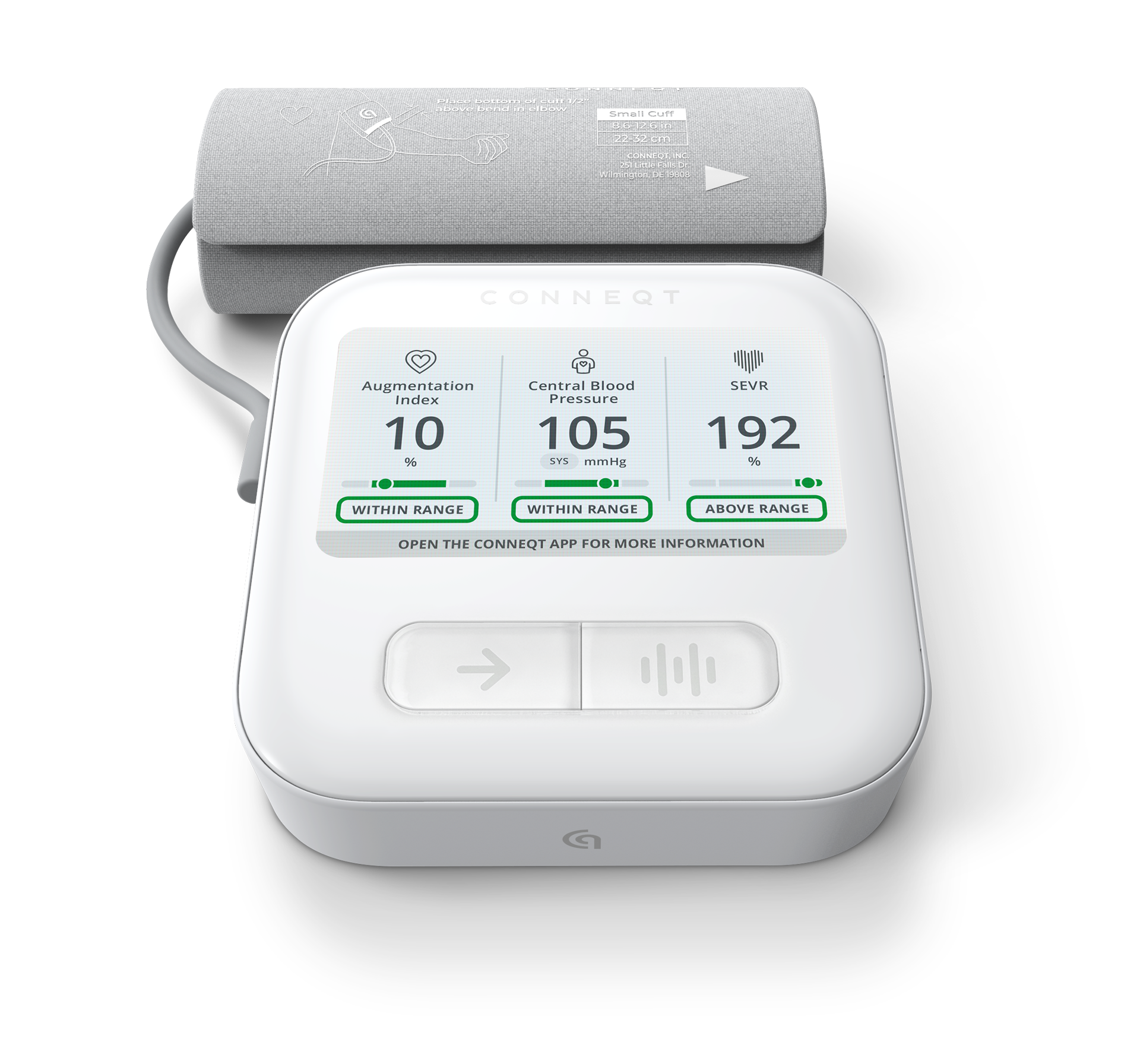
For people who want more visibility at home, that’s where medical-grade measurement and repeatable tracking can help. CONNEQT Pulse is designed to capture high-quality readings and make it easier to follow change over time, not just collect numbers.
The goal isn’t to chase perfect numbers. It’s to notice direction early.
The bigger takeaway
This study isn’t saying boxing is a cure, or that six weeks rewrites your long-term risk. It’s showing something more practical: early-stage arterial health is still responsive, and consistent, higher-intensity training stimulus can shift meaningful markers faster than most people expect.
That matters because high blood pressure doesn’t do its damage overnight. It builds quietly over time, shaping how the arteries handle pressure and flow long before symptoms show up.
So take the message for what it is: your 20s and 30s aren’t “too early” for heart and arterial health. They’re often the best time to build the habits, baselines, and feedback loops that make staying healthy easier later.
Prevention works best when the course corrections are still small.