

For your heart, the holidays function as a stress test you didn’t schedule. Changes in routine, diet, sleep, alcohol consumption, and emotional stress create a short window where underlying cardiovascular risk is more likely to surface.
Each year, this pattern becomes visible in the data. A large U.S. population study published in Circulation found that more people in the United States die from heart-related causes on December 25 than on any other day of the year, with December 26 and January 1 close behind. Cardiologists call this the “Holiday Effect.”
The season brings a documented spike in cardiac complications, including heart attacks, a specific alcohol-related condition known as holiday heart syndrome, and heart failure. Understanding what drives these patterns can help you protect your heart this season.
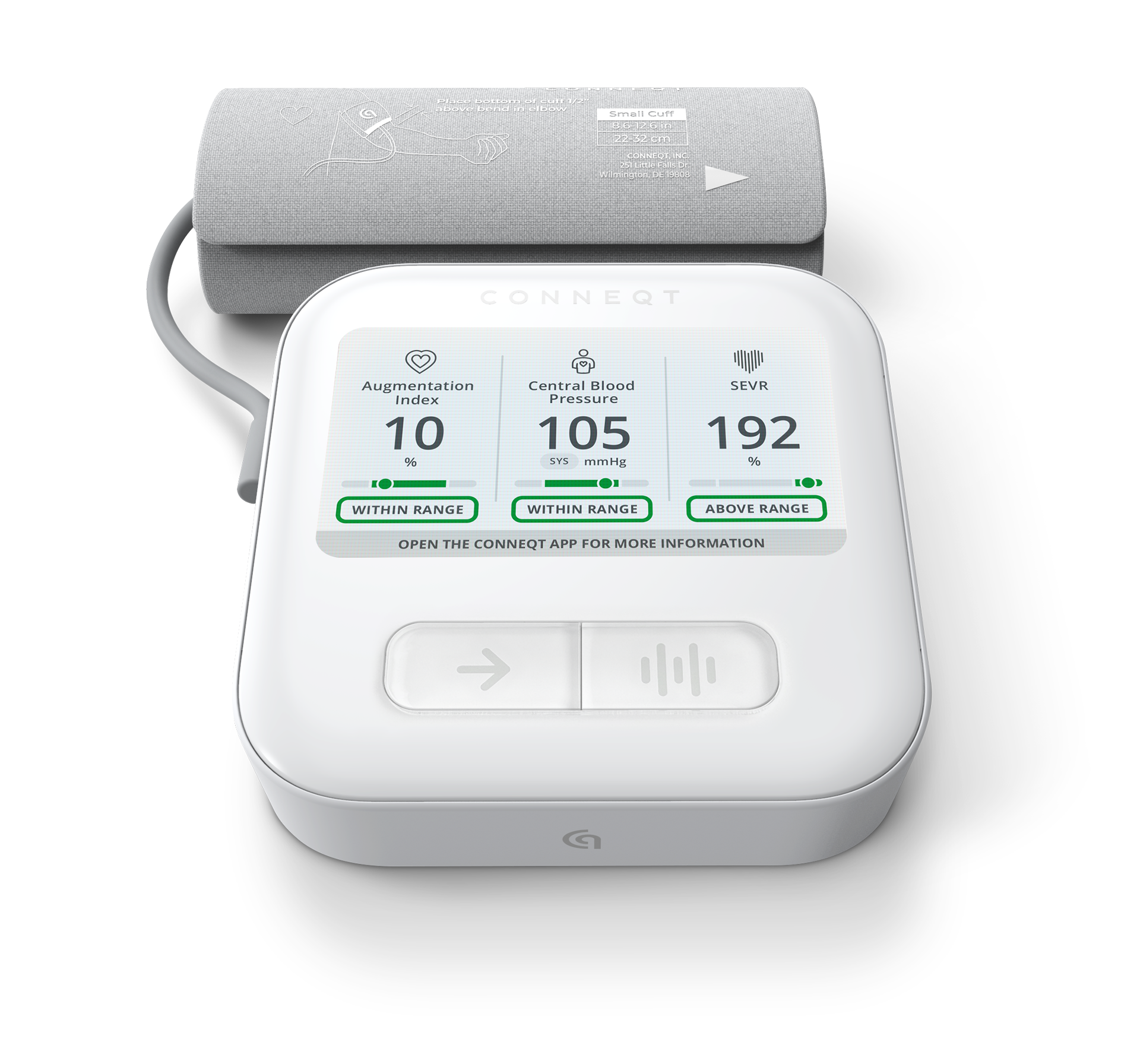

Medical Grade, Accurate, FDA-Cleared Heart Insights.
Save 10% on checkout with code VITALITY
The Holiday “Perfect Storm” Behind Seasonal Cardiac Risk
The landmark Circulation study found that cardiac mortality peaks consistently during late December. More recent research confirms the trend. A large-scale Swedish study found heart attack rates jumping 37 percent on Christmas Eve, with risk peaking around 10 p.m.
While cold weather strains the heart by constricting blood vessels, it is not the only culprit. Evidence from the Southern Hemisphere, where Christmas occurs during summer, shows a 4.2 percent spike in holiday cardiac deaths. This suggests the risk is driven by a “perfect storm” of factors:
- Behavioral shifts: Increased alcohol intake, lack of sleep, and a significant jump in sodium consumption all disrupt the body’s internal balance.
- Emotional stress and grief: The holidays often trigger “anniversary grief” for lost loved ones or high-adrenaline family stress. These emotional surges can spike cortisol and adrenaline, putting sudden strain on the heart.
- Physical strain: Travel exertion or warm-climate heat stress can force the heart to work harder than usual.
Holiday Heart Syndrome and What It Reveals About Cardiac Vulnerability
Coined in 1978, holiday heart syndrome refers to alcohol-induced rhythm irregularities, most commonly atrial fibrillation (AFib). This occurs when the heart’s upper chambers beat irregularly, which can allow blood to pool and increase the risk of stroke.
The risk can be rapid. Even a single drink can increase the chance of an AFib episode within hours, and two or more drinks in one sitting can raise that risk several-fold. Combined with dehydration and high-sodium foods, these rhythm disturbances can appear even in people with no previously known heart problems.
How Seasonal Stress Amplifies Existing Heart Conditions
Heart attacks surge during the holidays due to a combination of factors. Cold weather constricts blood vessels and raises blood pressure, while heavy meals and excess alcohol increase strain on the cardiovascular system. Stress hormones surge during family conflict or grief, tightening blood vessels and accelerating heart rate. Combined with missed medications and reduced physical activity, this creates a dangerous cascade.
Heart failure hospitalizations also increase, typically, 96 hours after celebrations. High-sodium holiday meals cause the body to retain fluid, increasing blood volume. For someone with a weakened heart, this added fluid burden can lead to shortness of breath and swelling that requires emergency care.
When Acute Symptoms Collide with Seasonal Delay
One of the most critical contributors to holiday mortality is delayed medical care. Hospital admissions for heart attacks drop on Christmas Day and surge immediately afterward, suggesting that many people postpone seeking help.
Chest pain is dismissed as indigestion after a heavy meal. Symptoms are minimized to avoid “ruining Christmas.” People wait, hoping discomfort will pass. Cardiologists are clear that rapid treatment determines the difference between recovery and permanent heart damage. Minutes matter.
Symptoms You Should Never Ignore
Cardiac symptoms can appear suddenly or develop gradually and may signal different types of heart problems:
- Heart attack: Chest pressure, pain in the jaw or neck, and cold sweats.
- Arrhythmia: Rapid or irregular heartbeat, fluttering sensations, or sudden dizziness.
- Heart failure: Sudden shortness of breath, persistent cough, or unusual ankle swelling.
- For women: Symptoms may be subtler across all cardiac events, including unusual fatigue, nausea, or back discomfort.
If you experience these symptoms, call 9-1-1 immediately. Do not drive yourself.
How to Protect Your Heart This Holiday Season
Protecting your heart requires conscious choices:
- Take your medications. Set phone alerts if needed, especially when pharmacies have varying hours.
- Limit alcohol. The American Heart Association recommends no more than two drinks per day for men and no more than one drink per day for women.
- Stay hydrated. Alternate alcoholic drinks with water to reduce strain on your heart.
- Manage salt intake. Holiday foods are sodium-heavy. Go easy on added salt and processed snacks.
- Maintain activity. Even a 20-minute family walk after dinner helps.
Why Long-Term Heart Health Requires Visibility Over Time
Cardiovascular risk rarely appears overnight. In many cases, it builds gradually, shaped by blood pressure patterns, arterial stiffness, and the heart’s response to daily stress over time.
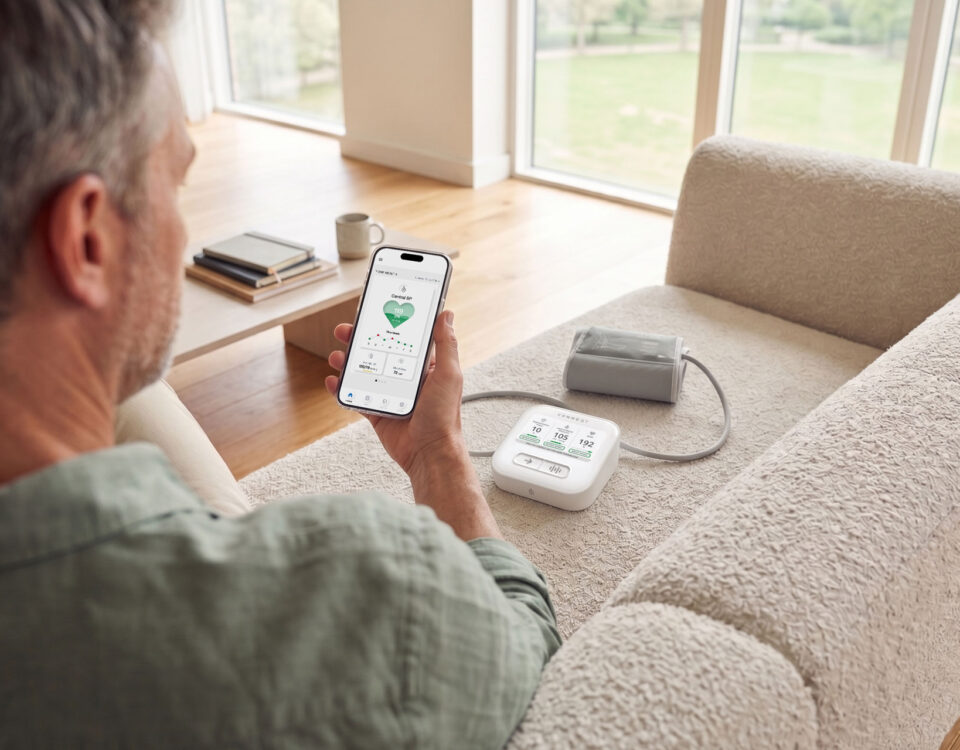
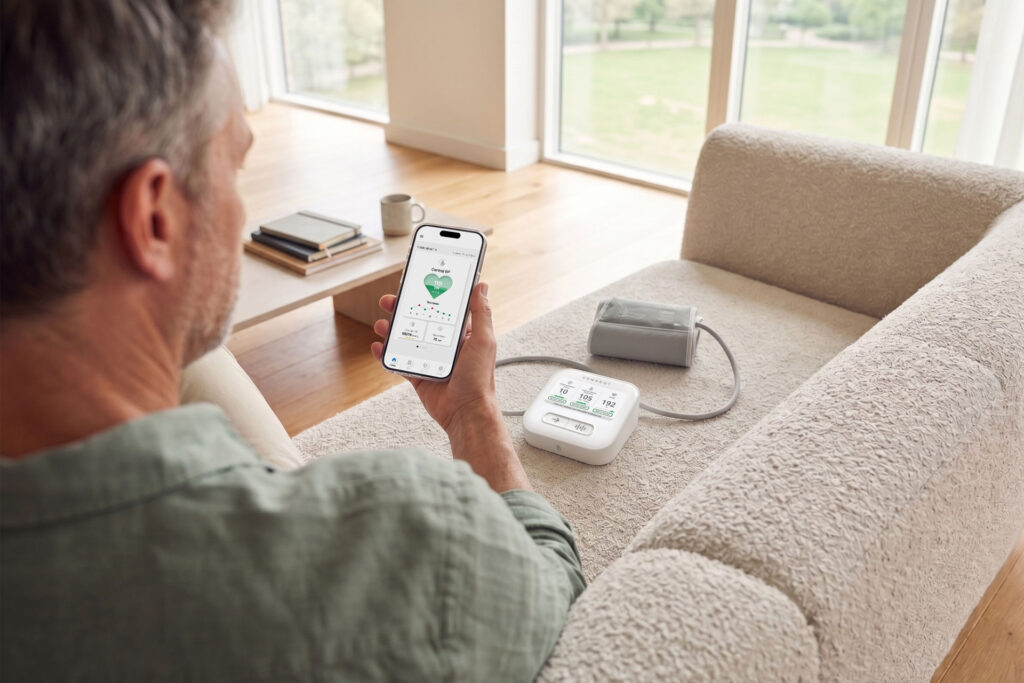
Tools like the CONNEQT Pulse support this longer view. The Pulse does not diagnose heart attacks or detect arrhythmias, and it is not an emergency device. Instead, it helps people understand trends in central blood pressure and arterial health over time, metrics that traditional arm cuffs cannot capture.
That kind of visibility can support more informed conversations with your doctor and encourage earlier attention to cardiovascular health, long before a crisis occurs.