
So much advice on what to eat for heart health stops at a list of foods. The deeper question is whether it’s actually working for you. Here’s what the evidence supports, where official guidance falls short, and why the real test is whether your numbers move.
In a Heartbeat
The answer: The evidence rewards a whole eating pattern, like the Mediterranean or DASH diet, not any single food.
The specifics: A few foods have real, measured effects; most “superfood” claims are marketing.
The gap: The guidelines are a solid foundation, but looser on saturated fat than heart-focused advice.
The real test: A good diet won’t tell you it’s working. Your numbers will.
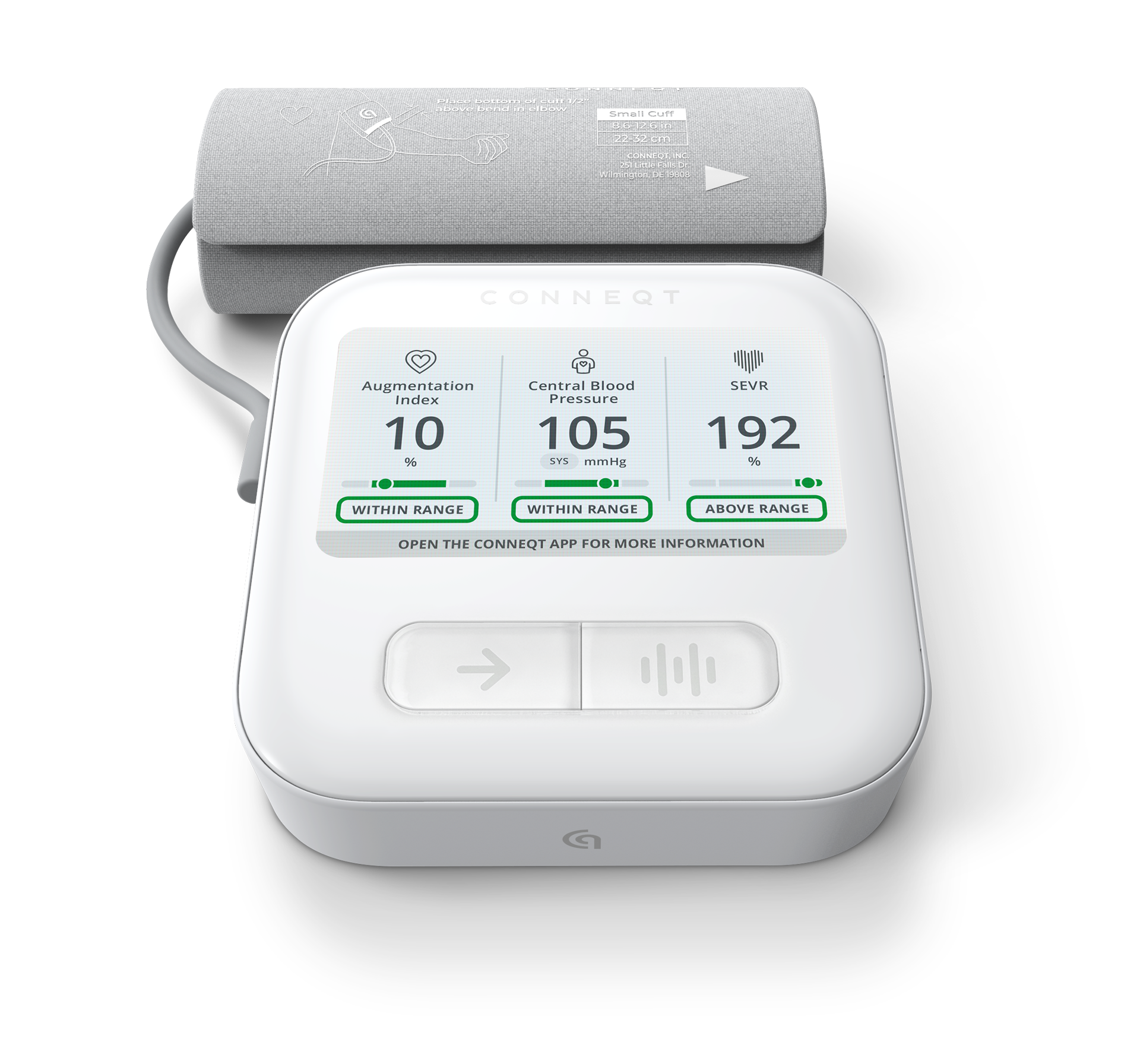

Medical Grade, Accurate, FDA-Cleared Heart Insights.
Save 10% on checkout with code VITALITY
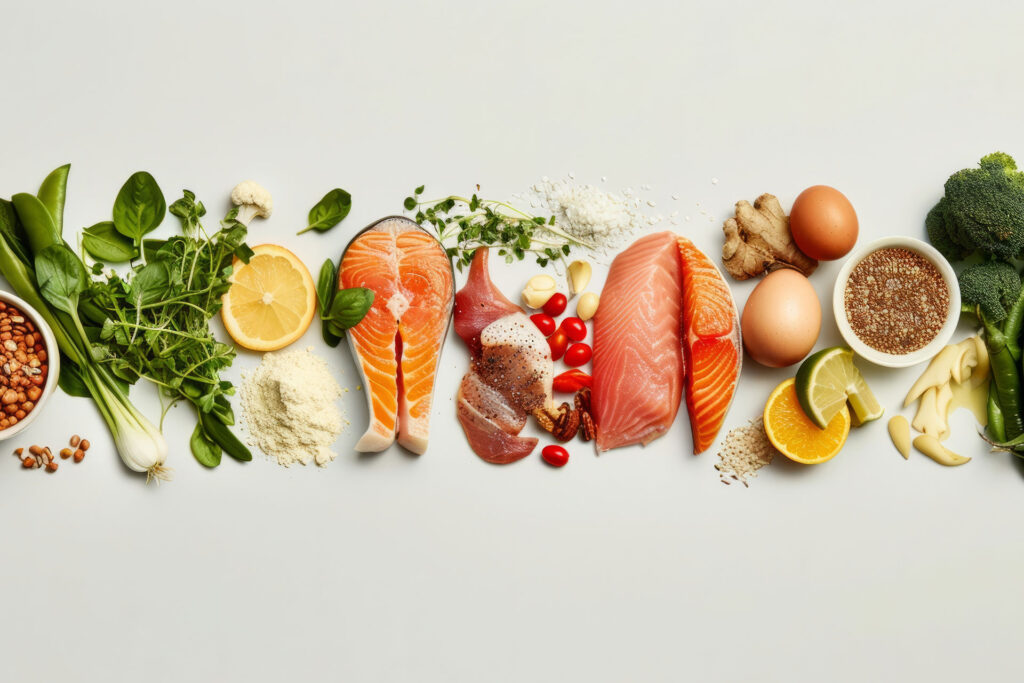
You already know the list. Olive oil, fatty fish, leafy greens, legumes, berries, and go easy on the salt and red meat. Maybe you already eat this way most days. That’s a real start.
The list tells you which foods to reach for. It doesn’t tell you which of them matter most, or whether your heart-healthy eating is making a difference to your numbers.
Those are different questions, and they’re the ones worth answering.
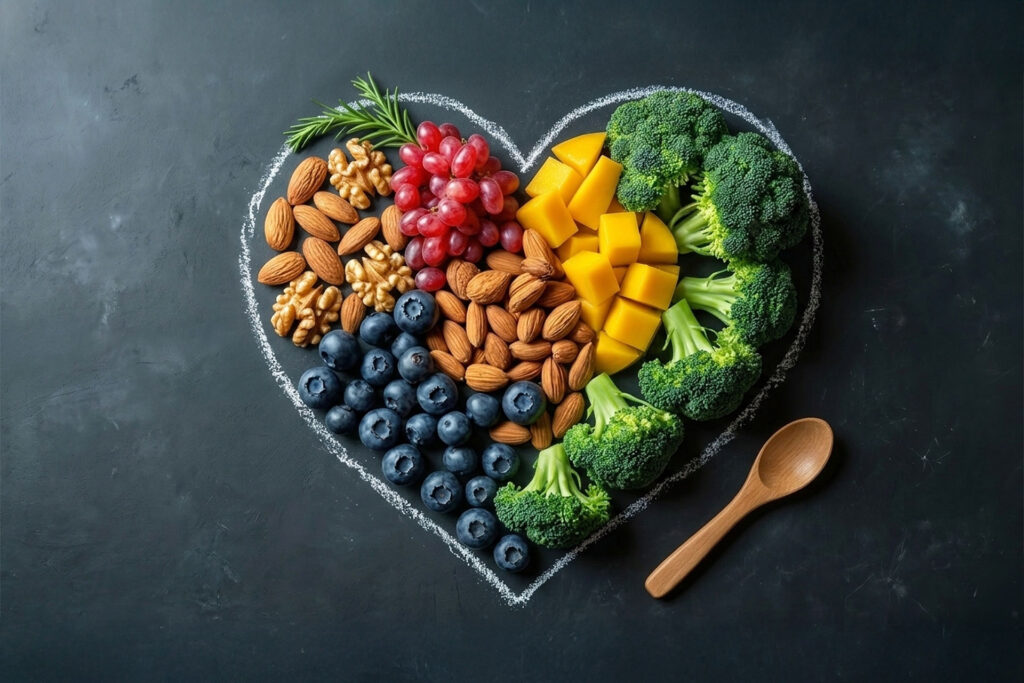
What’s been shown to lower heart risk was never a single hero food. It’s the overall eating pattern, the one people stick with over years, not the ingredient they added on top of an otherwise ordinary diet.
So the better question isn’t which one food does the work. It’s whether your everyday diet holds up.
In this article
- Why your overall diet beats any single food
- The specific foods the evidence backs
- Where the claims outrun the evidence
- Where official guidance helps and where it falls short
- Sardines, and what a whole food brings
- Eating well is only half of it
What a heart-healthy diet looks like
Two ways of eating have the strongest evidence behind them, and neither is exotic.
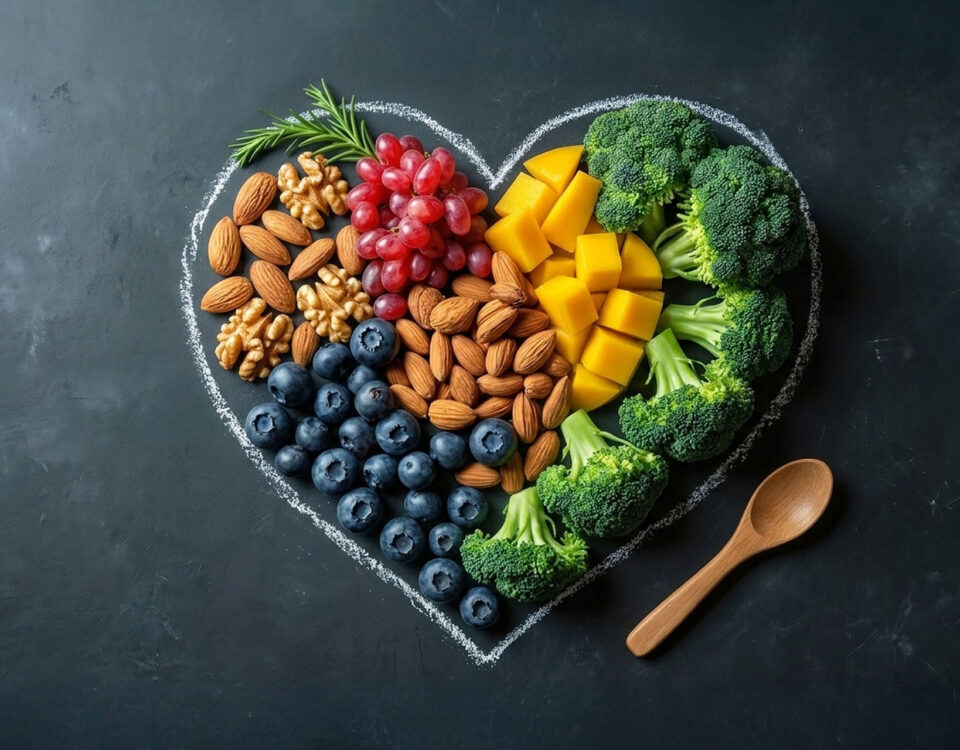
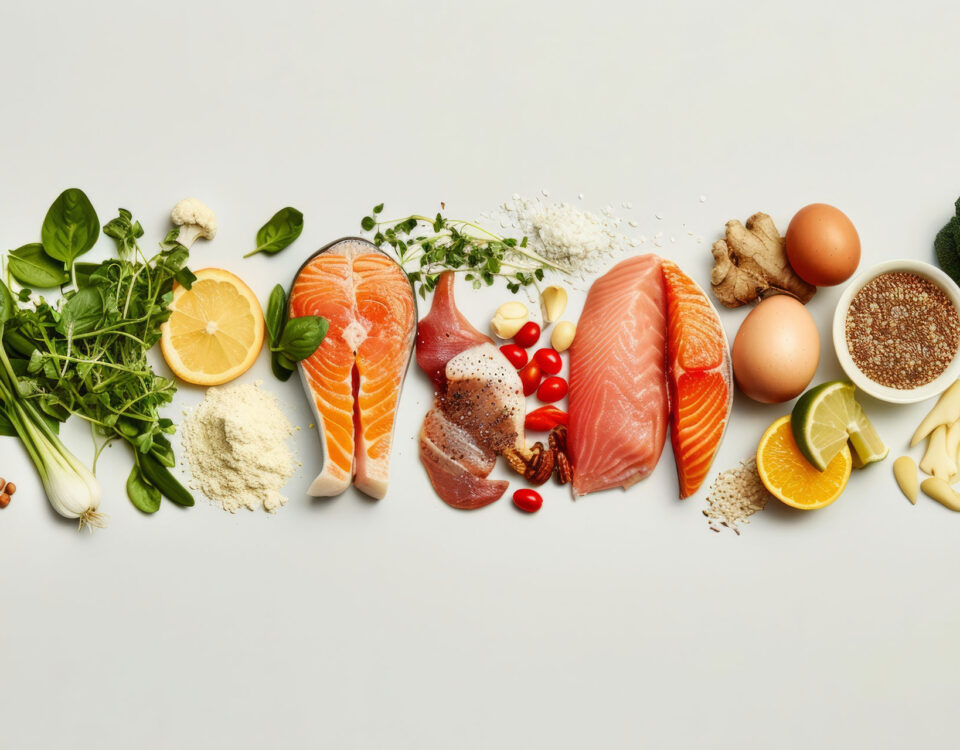
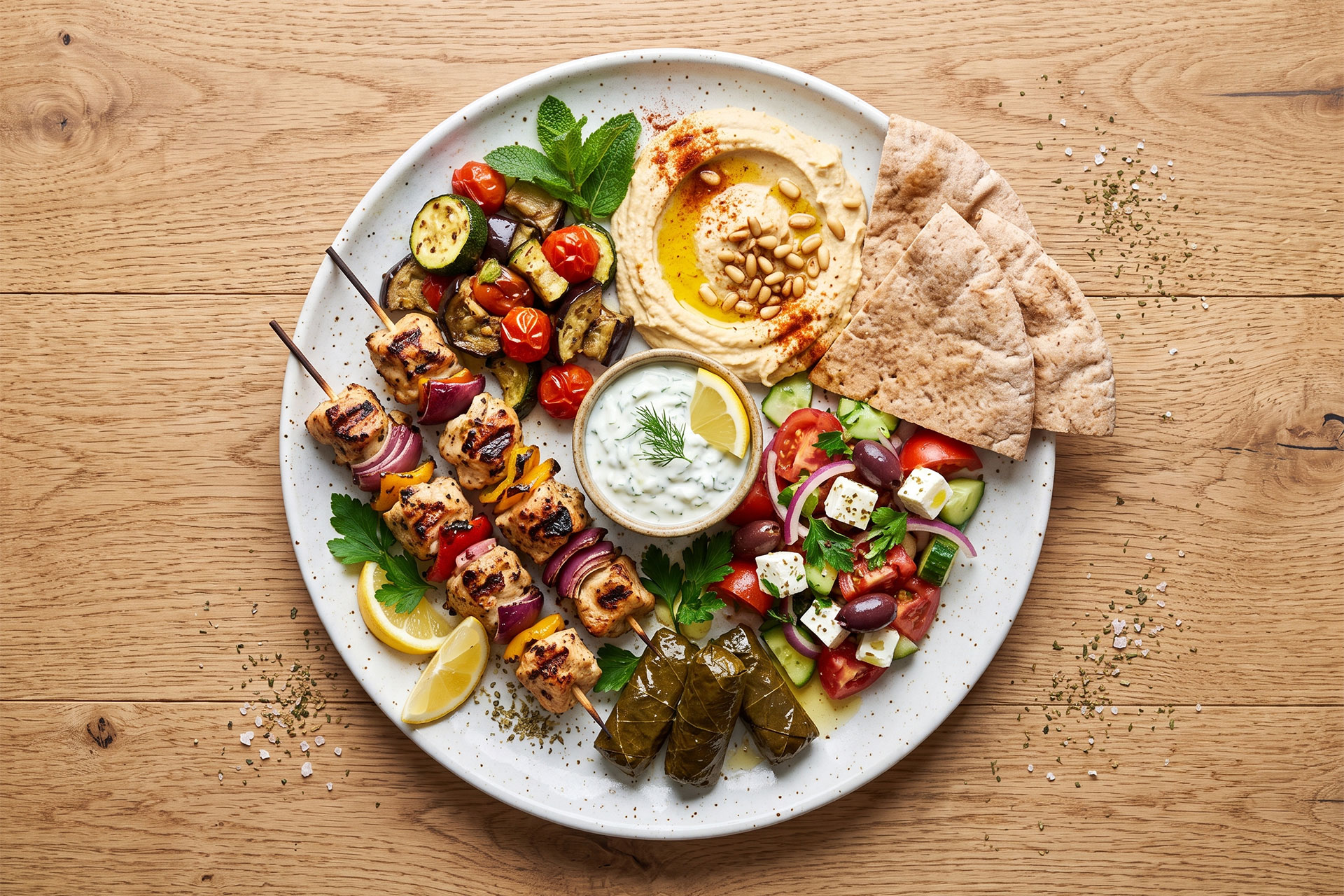
One is the Mediterranean diet: olive oil, fish, vegetables, legumes, nuts, and whole grains. The other is the DASH diet, built specifically to lower blood pressure, rich in produce and light on sodium.
They overlap more than they differ. Both lean on plants, both keep processed food to a minimum, and both are something you do year in and year out, not a reset you finish in a month.
Why your overall diet beats any single food
The reason they matter is what happened when researchers put them to the test.
In a large trial, the Mediterranean diet meaningfully lowered the rate of heart attacks and strokes compared with a lower-fat diet, across thousands of adults at higher risk. No single food in it earned that result on its own. The whole thing did.
The results from DASH tell the same story for a different endpoint, blood pressure, with repeated trials showing a clear drop when people follow it closely.
And the finding repeats across large populations: people whose overall diet quality is higher tend to have lower cardiovascular risk. Two patterns, two endpoints, each well supported for its own.
It’s the throughline the American Heart Association organizes its current guidance around, dietary patterns, not a ranked list of hero foods.
None of that makes the individual foods irrelevant. It reframes them. The foods highlighted in 5 Foods for Arteries That Age Well and 17 Cardiovascular Superfoods are worth eating, but as part of a good diet, not fixes you bolt onto an otherwise poor one.
The specific foods the evidence backs
Within a solid eating plan, a few foods have earned unusually specific evidence, not for saving your heart outright, but for particular, measurable effects worth understanding.
Blueberries are one. In controlled trials, their polyphenols improved flow-mediated dilation, a measure of how well the artery lining relaxes and widens as blood moves through it. The Vascular Effects of Blueberries covers how that works.
Oats go a step further, to a number your clinician already tracks. The soluble fiber in oats, called beta-glucan, lowers LDL cholesterol reliably enough across trials to be one of the better-established food-and-lab connections in nutrition.
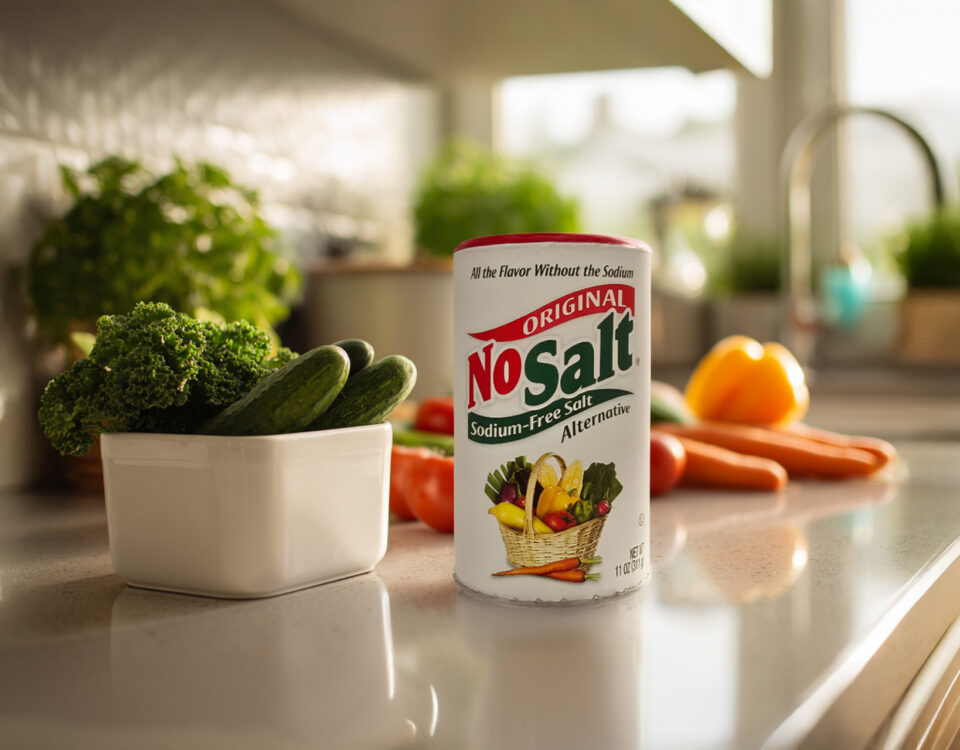
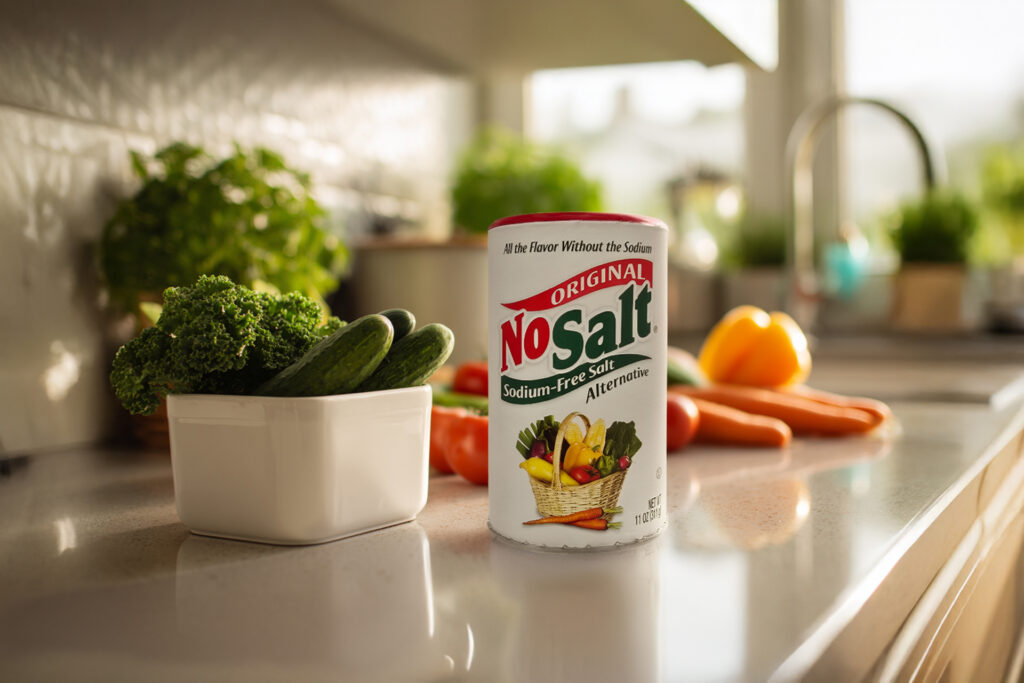
The salt switch is the strongest case of all.
In a large trial, people who swapped regular salt for a potassium-enriched version had fewer strokes, fewer cardiovascular events, and lower rates of death than those who kept ordinary salt, from about the simplest change imaginable. [SSaSS] The Simple Salt Switch has the full picture.
One caution, though. Potassium-enriched salt isn’t for everyone. If you have kidney disease or take a medication that affects potassium, it can raise your levels too high, so make the change with your clinician, not on your own.
Notice the range: a marker of how the vessels work, a number on a lab report, an outcome that actually happened. That’s what specific, tested evidence looks like, and it’s what separates a real claim from one that only sounds healthy.
Where the claims outrun the evidence
For every food with specific evidence behind it, there’s another whose reputation runs ahead of the proof.
The clearest example is the supplement aisle. Pull a compound out of a food, put it in a capsule, and the benefit often doesn’t come along. It’s why current guidance is blunt about getting your nutrients from food, not from a shelf of bottles.
“Superfood” works much the same way. It isn’t a scientific category, just a marketing word that lands on almost anything with a good story. Some foods earn it, some only wear it.
Telling the two apart comes down to one question. What, exactly, has this food been measured to do? A clear answer, like lowering LDL or improving how the arteries respond, is worth acting on. A vague one, like “supports heart health,” is just a slogan.
That’s the question worth bringing to the advice that’s supposed to cut through all of it, the official dietary guidelines.
Where official guidance helps and where it falls short
Held to that test, the official advice does well on the fundamentals.
The Dietary Guidelines for Americans and the American Heart Association point the same way the evidence does, toward more vegetables, fruit, whole grains, and legumes, less sodium and added sugar, and a whole-food pattern rather than a supplement or a single hero ingredient. As a baseline, that’s strong advice, and following it closely does most of the work.
The newest edition even goes a step further, with a plain “eat real food” message and a call to cut back sharply on highly processed products. Researchers tend to call these ultra-processed foods, and higher intake of them has been linked to higher rates of heart disease, type 2 diabetes, and early death.
Where the guidance gets shakier, at least for your heart, is saturated fat.
The latest edition is comfortable with more saturated fat than heart specialists usually are. It recommends full-fat dairy, lists red meat among its protein choices, and allows saturated fat up to ten percent of your daily calories.
Heart-focused guidance like the AHA’s leans the other way, toward unsaturated fats, olive oil, nuts, and fish, and toward leaner or plant proteins. How much that difference matters is still debated, but if your heart is the priority, this is a place where the general advice runs looser than the specialists would.
So treat the guidelines as a starting point, not the last word.
Follow them, but for your heart, it’s worth going a little stricter where the evidence points, starting with saturated fat. What the New Dietary Guidelines Leave Out digs into that and the guidelines’ other gaps.
Sardines, and what a whole food brings
Sardines are a fitting example of a food that earns its reputation. They’re easy to overlook, small and cheap, but about as nutrient-dense as food gets, with omega-3 fats, protein, calcium, and vitamin D in a single tin.
They fit neatly into the diets the evidence supports, which is the whole point. Sardines aren’t a hero food that saves your heart on their own. They’re a strong member of a good pattern.
They also highlight a difference the supplement aisle glosses over, between getting a nutrient from food and getting it from a pill.
You can buy the same omega-3 fats in a fish-oil capsule, but for heart health the guidance is to get them from fish, not a pill. The whole food brings more than the isolated fat, and it’s the form the evidence backs.
One exception is worth naming. For some people, a clinician may recommend a higher-dose omega-3 to address a specific lipid problem, which is a targeted medical decision, not the same as reaching for a general supplement off the shelf.
The same nutrient can do real work in one form and little in another. The specifics decide which.
Sardines Are My #1 Superfood makes the fuller case.
Eating well is only half of it
By now the picture is mostly clear. Your overall diet matters more than any single food. A short list of foods has real evidence behind them. And you can see where the guidelines fall short.
There’s one more piece to add, and it’s the one most diet advice skips. Eating well doesn’t announce itself. You can do all of this and feel exactly the same.
But it does register. A diet that’s working leaves measurable changes, even when you can’t feel them.
A DASH-style diet lowers your blood pressure. A Mediterranean one is linked to less stiffness in your arteries, a sign they’re aging well. Your cholesterol can come down too, often within weeks.
The only way to know for sure is to watch those markers over time. How to Tell If Your Diet Is Actually Improving walks through how to read them.
You can track blood pressure and cholesterol using a cuff and a lab test. Arterial function is the harder one to see, and it’s what the CONNEQT Pulse follows at home. That’s the piece a standard cuff and a lab panel don’t capture.
So the goal was never a flawless diet. Eating well is half of it. Knowing it’s working, in your own numbers, is the other half. Put them together, and you’re not guessing about your heart anymore.
What carries you isn’t any single meal or number. It’s the pattern you keep.
What to read next
You now know what to put on the plate. The next questions are about the artery on the other end. How to look at it, how quickly it changes, and why a clean bill of health can still hide risk.
- Three Ways to Look at Your Arteries — The main ways to assess arterial health, and what each one shows that the others miss.
- How Long Does It Take to Improve Arterial Health — How fast diet and other changes register, and when to expect them.
- Fit, Healthy, and Still at Risk — Why good habits and normal numbers can still hide risk, and the marker that catches it.
Want to explore more? Browse the full library.