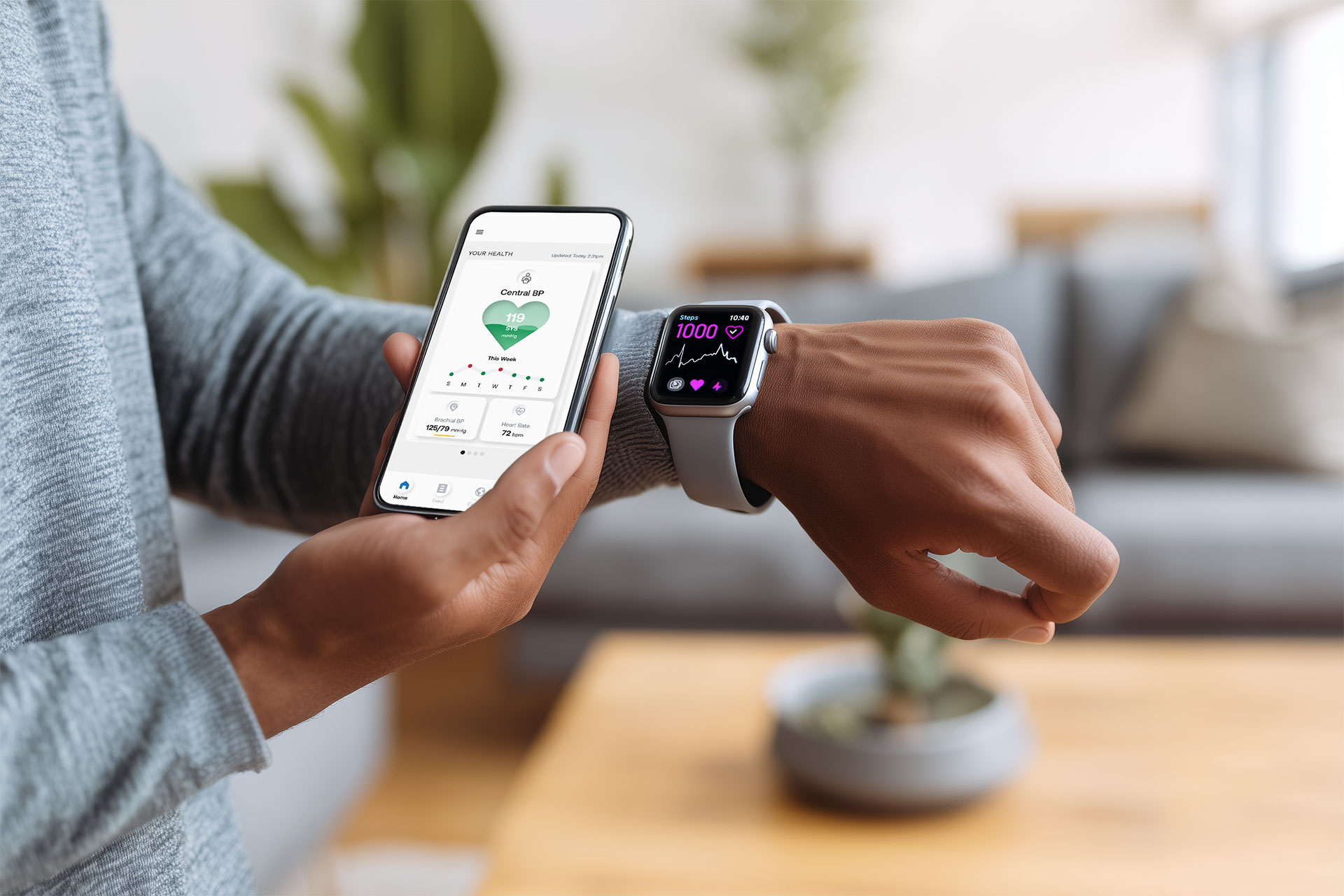
The number on the screen is only part of the story. What matters just as much is how that number was generated, what it was meant to tell you, and how much confidence it deserves.
The hardest part about modern health devices is not getting a number. It is knowing how much trust to place in it.
Some numbers are designed for general awareness. Others are meant to tell you something more meaningful about your health. On the surface, they can look very similar. But when a reading could make you feel falsely reassured, cause unnecessary worry, or influence whether you decide to follow up with your doctor, the difference starts to matter.
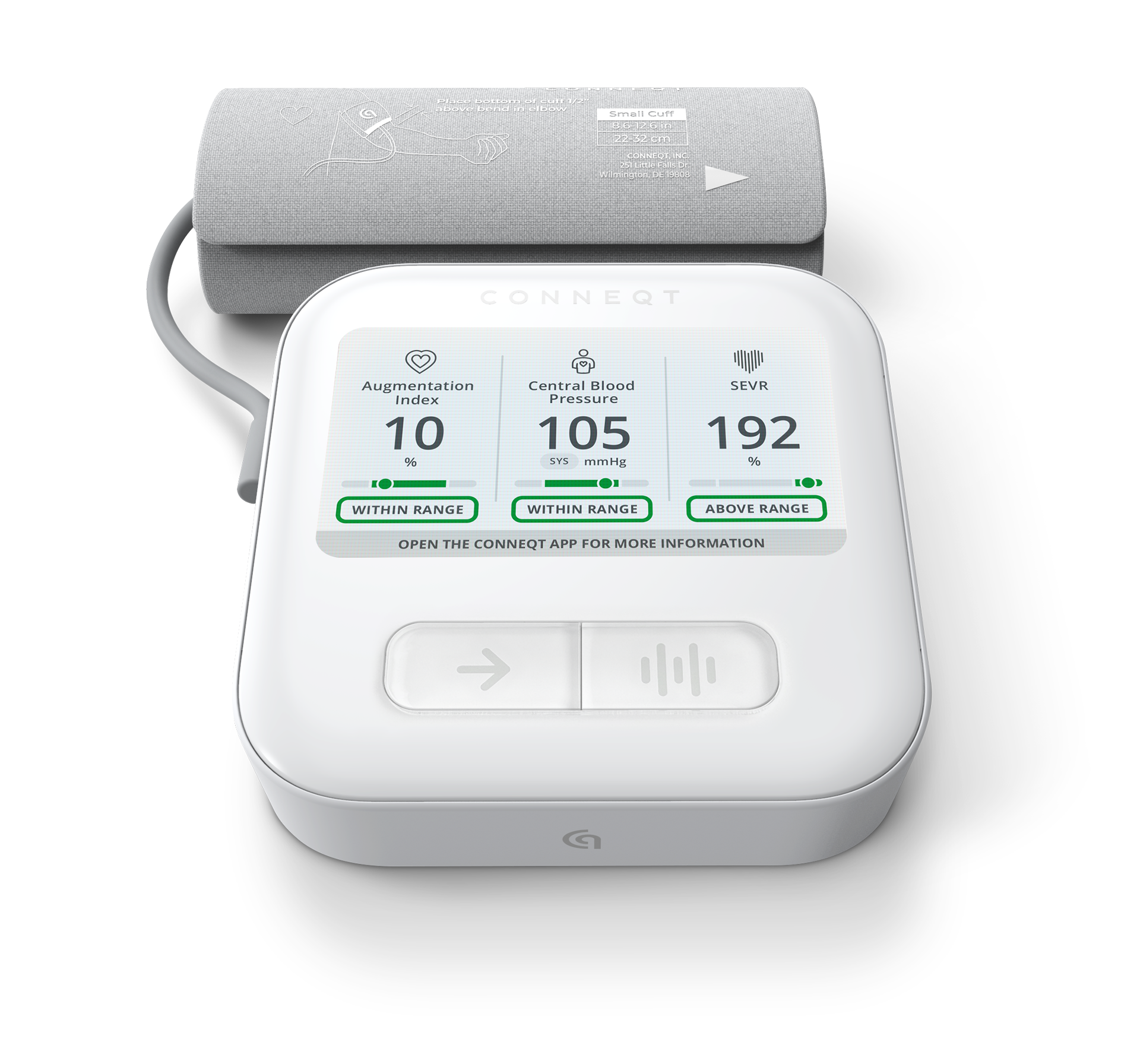

Medical Grade, Accurate, FDA-Cleared Heart Insights.
Save 20% on checkout with code VITALITY
That is especially true for heart health, where people often assume a number gives them more certainty than it really does.
We recently explored the difference between wellness tracking and medical devices from a broader perspective. This article picks up from there, focusing on what that difference actually changes when you are trying to decide what to trust, what to watch, and what to do next.
Why similar-looking numbers can mean very different things
Two health numbers can look almost identical on a screen and still carry very different weights.
That matters because people do not respond to numbers in a neutral way. A reading can reassure you, worry you, or shape whether you think you need to follow up with your doctor. The problem is not always that the number itself is wrong. Sometimes it is that the number is being trusted in a way it was never designed to support.
That can lead to false confidence. Someone may assume a number is medically meaningful because it looks precise, then decide everything is probably fine. It can also lead to unnecessary concern, where a reading creates worry without enough context to explain what it actually means.
Blood pressure is a good example. A wearable might show a number that appears normal, while a clinically validated medical device could reveal a different and more meaningful picture. Without the right context, it is easy to overreact to one reading or dismiss a pattern that deserves more attention.
This is also where device type starts to matter in a practical way. Not every tool is built to support the same kind of conclusion. So not every number deserves the same level of trust.
Why this matters most for blood pressure and heart health
Some health numbers are helpful for awareness. Blood pressure is different. It is a clinical signal that can influence real decisions about follow-up, treatment, and long-term risk.
That is why the “what does this number mean?” question matters more here than it does for many other health metrics. If a heart-health number affects whether you feel reassured, worried, or ready to take action, you want to know what kind of device produced it and what that number is actually meant to tell you.
Blood pressure also changes throughout the day. Sleep, stress, caffeine, alcohol, exercise, posture, and timing can all affect blood pressure readings, which is why they fluctuate more than many people realize.
For home monitoring, the American Heart Association recommends careful technique and validated measurement, because the details of how you measure affect what the number can reliably tell you.
In other words, blood pressure is not just a number to track. It is a number people use to interpret what is happening in the cardiovascular system. That is where the difference between awareness and medically meaningful interpretation becomes especially important.
What to look for before you trust a heart-health device
If a number could influence how you think about your heart health, a few basic questions can help put it in context.
First, what is the device actually intended to do? Is it designed for general awareness, or is it meant to support medically meaningful measurement? A fitness tracker that estimates heart rate trends is built for the former. A device that measures and interprets blood pressure for clinical use is built for the latter.
Second, has it been clinically validated for what it claims to measure? That does not guarantee perfection. But it does speak to whether the device has been evaluated in a way that supports trust.
Third, is it FDA-cleared for that use? That helps clarify whether the device is operating in a general wellness category or as a medical device intended for more clinically relevant measurement.
And finally, ask what kind of output the device is really giving you. Is it offering an estimate, a trend, or a number meant to support interpretation?
These questions are not about turning every reader into an expert. They are about making it easier to understand what kind of tool you are using, and how much confidence its numbers are meant to carry.
Where CONNEQT fits
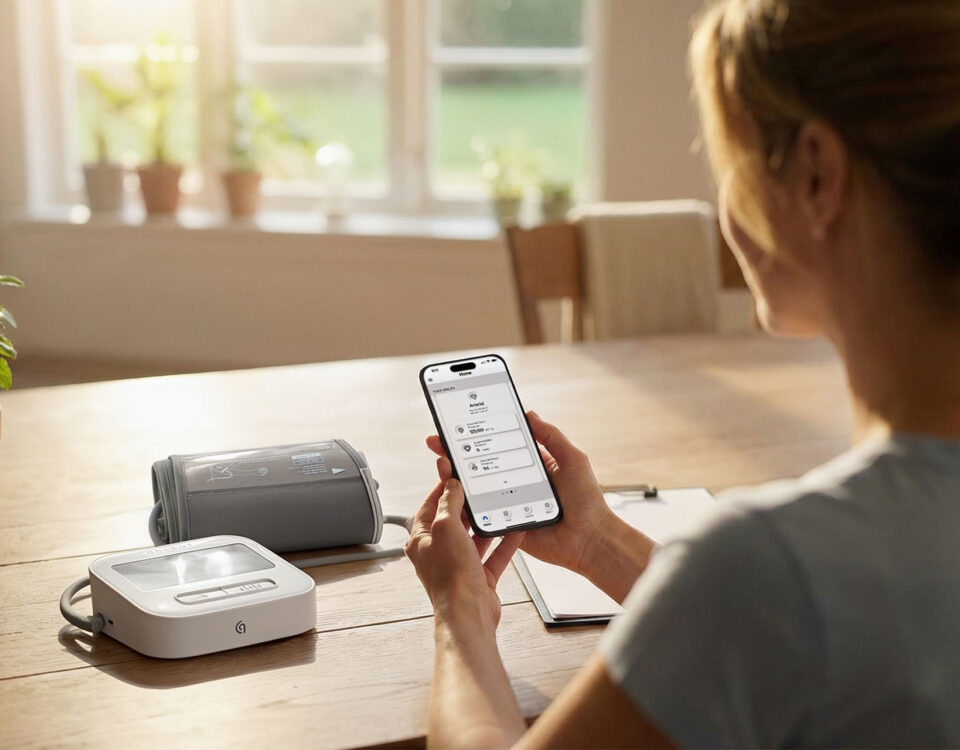
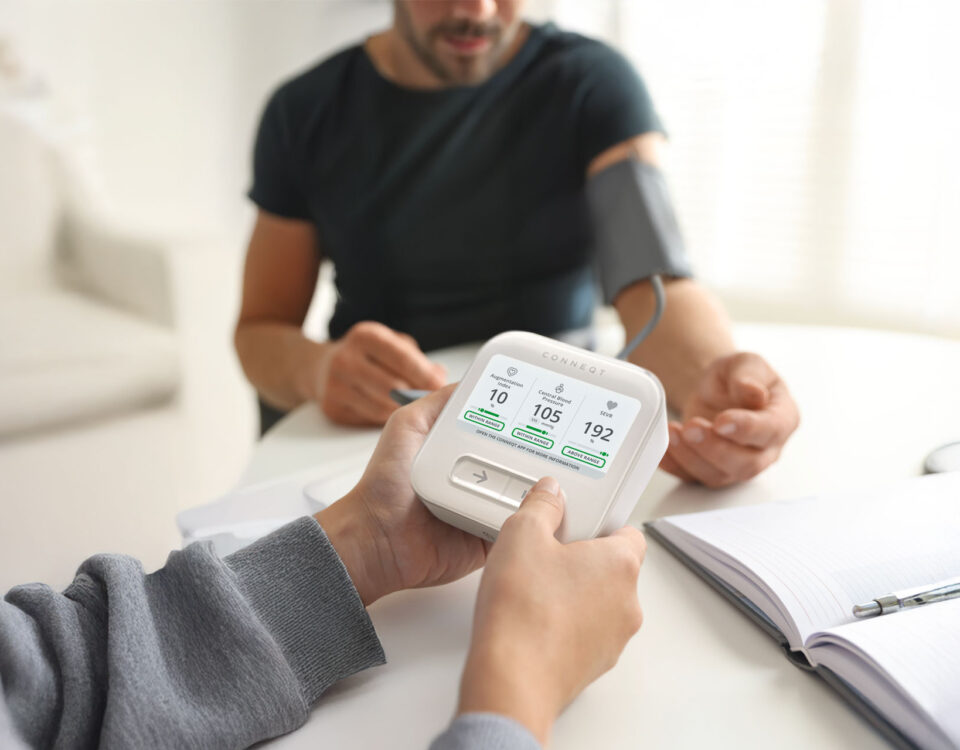
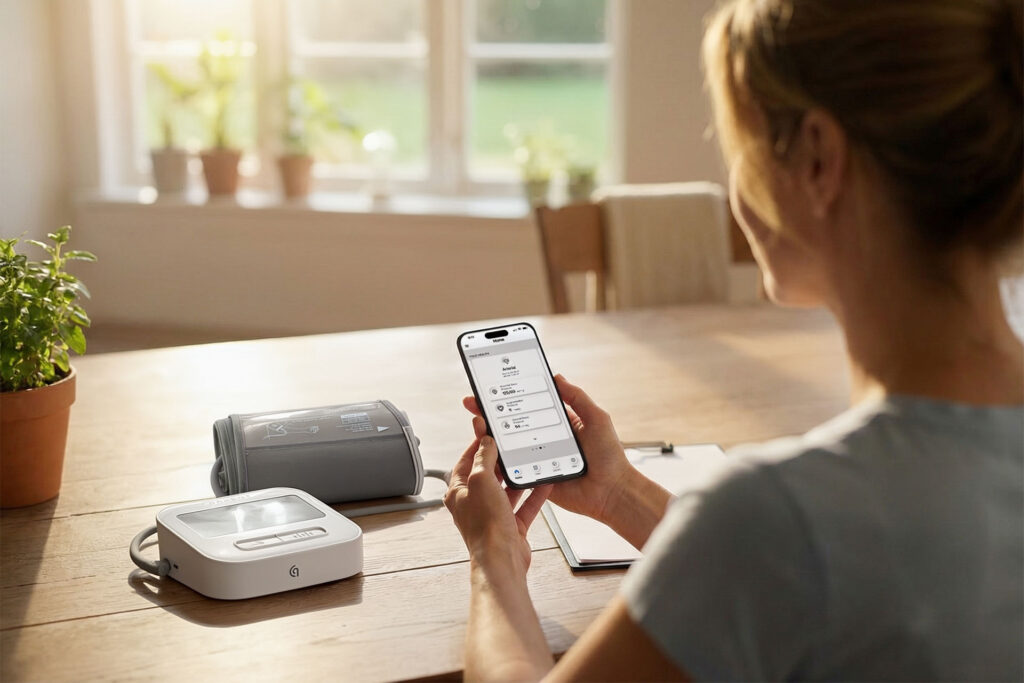
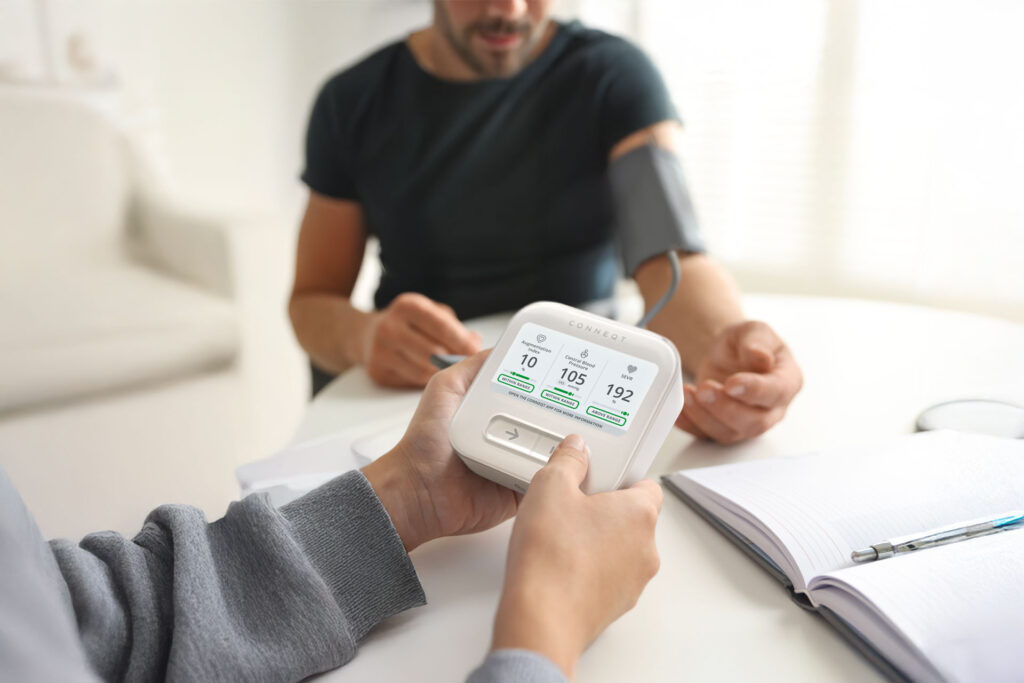
CONNEQT Pulse was designed for clinically meaningful cardiovascular insight, not just surface-level estimation. It is an FDA-cleared medical device built to measure and interpret blood pressure in a way that can support more informed understanding over time.
That matters because when the goal is heart health, the value is not simply collecting more numbers. It is knowing which numbers you can trust, what they are meant to tell you, and how to put them in context over time.
If you want to go deeper on how trust is established, we break down what clinical validation means and why it matters for blood pressure measurement.
The core point is simple: the difference between wellness tracking and medical measurement is not academic. It changes what the number can responsibly mean, and what you can do with it.
Confidence starts with knowing what a number can really tell you
Not every health number means the same thing for your heart. And not every device is built to support the same kind of understanding.
That does not mean awareness is useless. It means awareness and interpretation are not interchangeable. One can help you notice something. The other is designed to help you understand what it may mean and what you may want to do next.
When a number could shape whether you feel reassured, decide to follow up, or assume everything is fine, the device behind that number matters just as much as the number itself.
Better decisions start with knowing what kind of truth the data is actually built to tell you.