

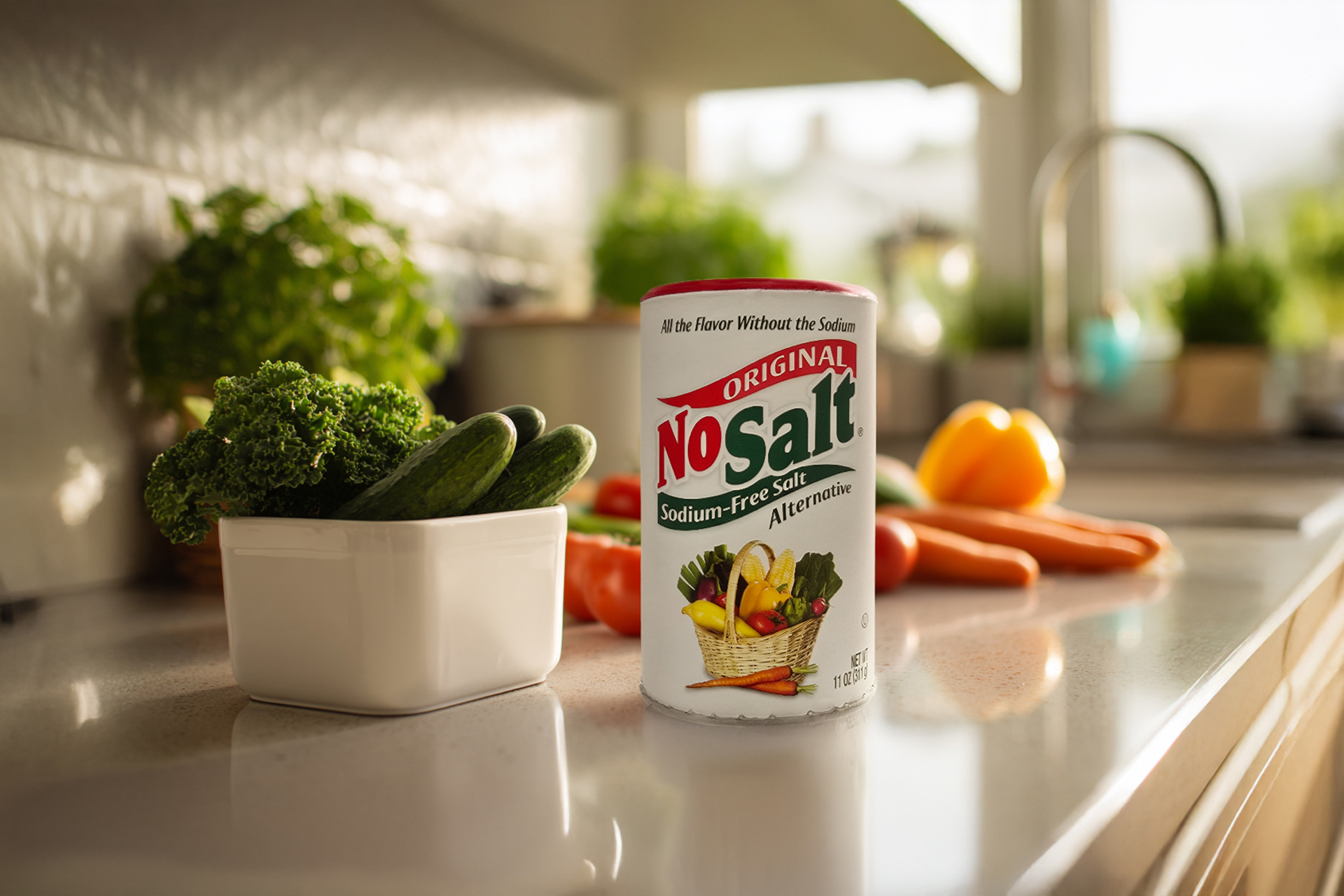
Salt is everywhere in the modern diet. It sits on the counter, hides in packaged foods, and shapes more meals than you might realize. The issue is not salt itself but the imbalance it creates. Most people get far too much sodium and not nearly enough potassium, and that combination can quietly push blood pressure higher. Over time, it increases the load on your arteries and adds strain long before symptoms appear.
There is one change that can shift that balance right away. Replacing regular table salt with potassium-enriched salt is simple, yet the research behind it is powerful. No major diet overhaul. No restrictive routine. Just a different salt in the shaker. And in large-scale studies, that single swap has been linked to lower rates of stroke, fewer major cardiovascular events, and reduced mortality.
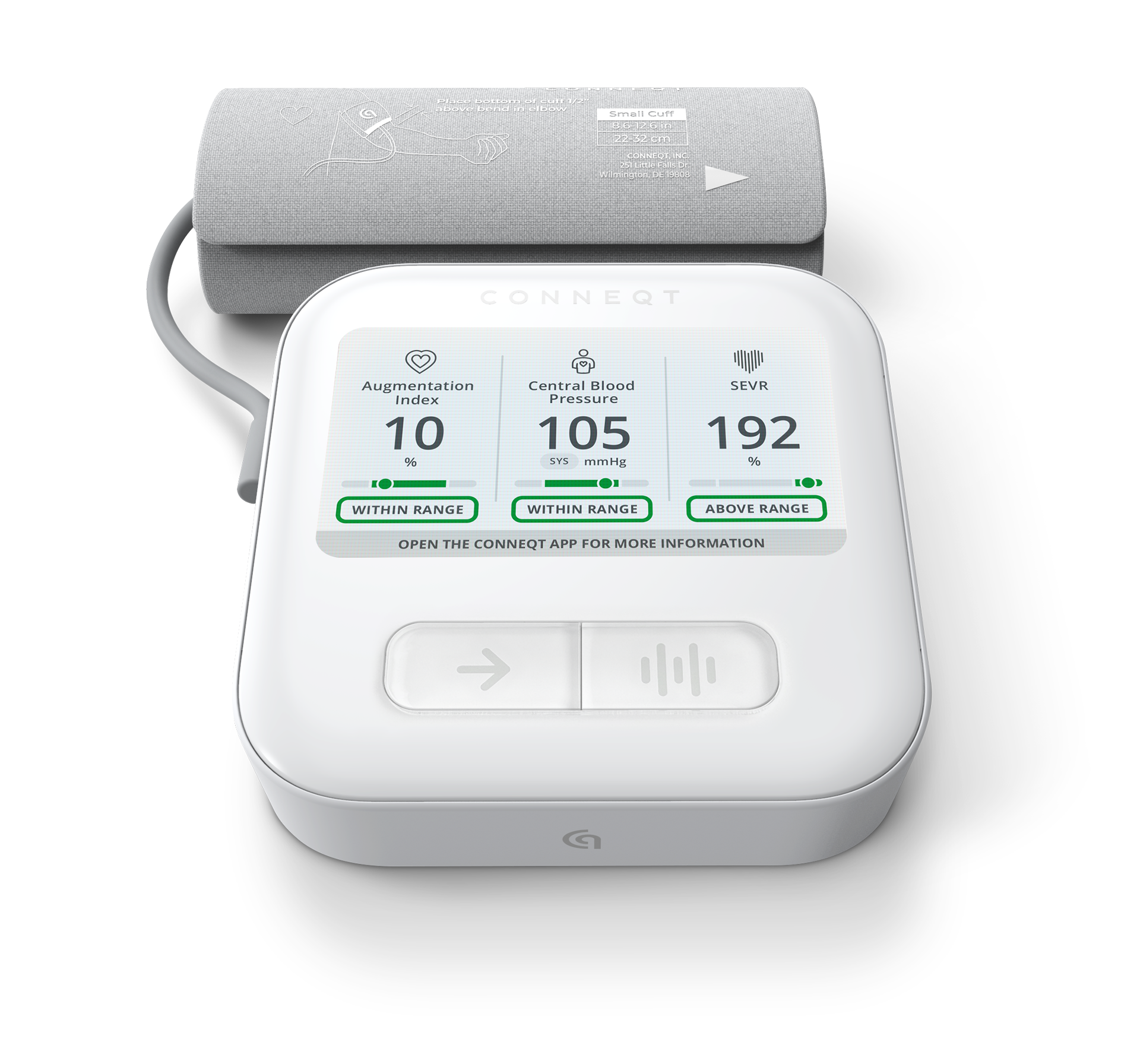

Medical Grade, Accurate, FDA-Cleared Heart Insights.
Save 20% on checkout with code VITALITY
What Potassium-Enriched Salt Is
Potassium-enriched salt looks like salt, tastes like salt, and cooks like table salt. The difference is the mineral composition. Instead of being made entirely of sodium chloride, part of the sodium is replaced with potassium chloride. Most blends use about 70 to 75 percent sodium chloride and 25 to 30 percent potassium chloride.
This seems like a small adjustment, but it creates a meaningful physiological shift. Increasing potassium while reducing sodium supports healthier blood pressure patterns and reduces the strain your arteries experience.
The Study That Stands Out
One of the clearest demonstrations of this effect comes from the Salt Substitute and Stroke Study (SSaSS), published in 2021. Tracking more than 20,000 adults at high risk of stroke, the findings were eye-opening.
Participants using potassium-enriched salt experienced:
- 14 percent lower risk of stroke
- 13 percent lower risk of major cardiovascular events
- 12 percent lower risk of death
- An average systolic blood pressure reduction of more than 3 mmHg
These changes came from a single adjustment: swapping regular salt for a potassium-enriched alternative. No medications. No procedures. Just salt, reformulated in a way that supports healthier vascular function. While the trial was conducted in communities with very high sodium intake and low potassium intake, the underlying physiology that links these minerals to blood pressure holds true across many dietary patterns.
A follow-up analysis also found that participants only replaced about seventy percent of their usual salt with the potassium-enriched version, yet the cardiovascular benefits still appeared. This suggests that even partial use can meaningfully shift blood pressure in the right direction.
Why Potassium Helps Support Vascular Health
Potassium has a direct impact on how your cardiovascular system manages pressure. It helps blood vessels relax, reduces the pressure load your arteries must overcome, and supports the body’s ability to clear excess sodium. Most people fall short on potassium intake, largely because the average diet is low in fruits, vegetables, legumes, and other naturally potassium-rich foods.
Potassium-enriched salt shifts that balance in one simple step. You reduce sodium and increase potassium at the same time, creating a more favorable mineral profile that supports healthier blood pressure patterns and reduces strain across the arterial system. It is not a substitute for a potassium-rich diet, but it meaningfully improves the baseline balance most people start from.
New Insights: Beyond Stroke Prevention?
Emerging research suggests the benefits may extend further. A 2024 editorial in Hypertension reviewed secondary analyses from the SSaSS trial, exploring whether potassium-enriched salt might reduce other cardiac events, including acute coronary syndrome and arrhythmias. These early findings are promising, though researchers emphasize the need for additional confirmation.
Additional evidence is beginning to accumulate outside the original trial setting as well. A separate clinical study in elderly care facilities found that potassium-enriched salt lowered systolic blood pressure by more than seven millimeters of mercury and reduced cardiovascular events, even among older adults with a higher baseline risk. These results reinforce that the blood pressure benefits of potassium-enriched salt appear in other high-risk settings beyond the original trial population.
Even so, the possibility that a basic kitchen swap could influence outcomes beyond blood pressure adds another compelling angle to this intervention.
Is Potassium Salt Right for Everyone?
Potassium-enriched salt is not appropriate for everyone. Individuals with kidney disease or those taking potassium-sparing medications need to be cautious, since excess potassium can accumulate in the bloodstream. If you have any concerns about whether this switch is right for you, checking with your healthcare provider is a good starting point.
For those with normal kidney function, potassium-enriched salt is a practical, research-backed adjustment that helps address one of the most common nutrient imbalances in the modern diet. If your blood pressure has been trending upward, or if you are aiming to support healthier vascular aging, this is an accessible way to shift the sodium–potassium ratio in your favor.
Putting It Into Practice
Potassium-enriched salt is not a silver bullet, but it is a low-effort habit with outsized potential impact. It preserves flavor, blends into daily cooking, and reduces the sodium burden that contributes to elevated central blood pressure and long-term arterial strain. Many people use potassium-based salts like Original NoSalt, a simple sodium-free alternative.