
I’m 62. I train seven days a week. I’m pretty lean. My HDL is 86, triglycerides are 48, and my biomarker inflammation is low. I avoid sugar, and my insulin sensitivity is pretty good. By most standard markers, I look like someone who shouldn’t have cardiovascular risk.
Then my ApoB came back at 110 mg/dL, well above the under-80 mg/dL target often cited for longevity, and more importantly, mismatched to how I want my heart and arteries to hold up over the decades ahead.
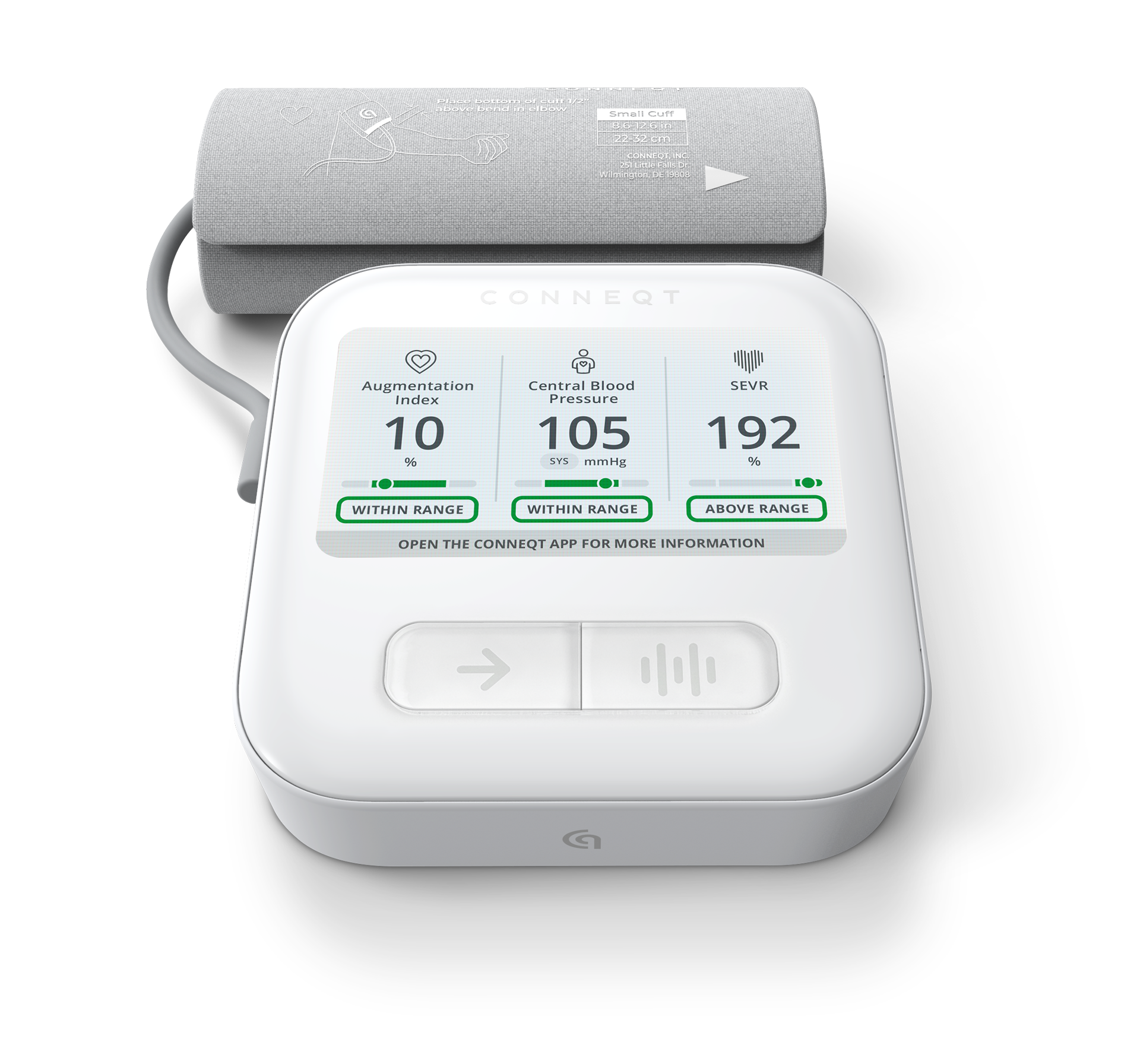

Medical Grade, Accurate, FDA-Cleared Heart Insights.
Save 20% on checkout with code VITALITY
My LDL cholesterol was also elevated, which I could have rationalized on its own. But my ApoB told me I’m running 30 to 40 percent more cholesterol-carrying particles than is considered optimal for arterial aging.
The result forced me to look past how healthy I appeared and understand what was actually happening at the level that matters most over time.
This isn’t metabolic disease. It’s something far more common in fit, endurance-trained people, and far less talked about. It’s often referred to as the lean mass hyper-responder phenotype. If you’re an athlete with generally great labs but high ApoB and LDL, there’s a good chance you recognize some of this pattern.
What ApoB Actually Revealed
Here’s the simplest way to understand it.
Think of cholesterol like cargo on delivery trucks.
LDL-C measures how much cargo is inside the trucks. ApoB measures how many trucks are on the road.
Each truck has the ability to enter the artery wall, get retained, and contribute to plaque over time. Arteries care more about how many trucks hit the wall than how full those trucks are.
In my case, I don’t have reckless drivers or damaged roads. I simply have more trucks on the road than is ideal for longevity.
Biologically, each LDL particle carries one ApoB molecule. That makes ApoB a direct particle count, the true measure of how many trucks are circulating. It tells how many cholesterol-carrying particles interact with your arterial wall, day after day, year after year.
Atherosclerosis isn’t caused by a single bad lab or a week of poor eating. It’s driven by repeated interactions between particles and the arterial wall over decades. The number of those interactions, and how the artery responds to them over time, matters more than how much cholesterol any single particle is carrying.
Simply put, the more LDL-carrying trucks (ApoB particles) you have on the highway (your arteries), the more chances they have to enter the artery wall and quietly build plaque over time. LDL-C tells you how full those trucks are, but long-term exposure is driven primarily by how many trucks are on the road. This becomes especially important when traditional markers generally look pretty good.
On paper, that’s exactly what my labs suggested.
My results looked like this:
- Triglycerides: 48 mg/dL (good)
- HDL: 86 mg/dL (good)
- hs-CRP: 0.81 mg/L (low inflammation)
- Fasting insulin: 4.3 µIU/mL (pretty good insulin sensitivity)
- HbA1c: 5.5 percent (good, but not optimum glucose control)
- Lp(a): 16.9 nmol/L (no genetic risk amplification)
- LDL-C: 154 mg/dL (elevated)
- ApoB: 110 mg/dL (elevated)
Ten years ago, I probably wouldn’t have paid much attention to my ApoB values. My training load was higher, my recovery window was wider, and I was focused more on performance than long-term arterial health.
What’s changed isn’t the science. It’s the question I’m asking.
I’m less interested now in how hard I can push, and more interested in whether the way I’m living is something my heart and arteries can handle until I’m 85.
Why Fit People Get High ApoB
This is where it gets uncomfortable.
If your numbers look “perfect” everywhere else, this part can be easy to dismiss.
In highly trained, insulin-sensitive people, elevated ApoB almost never comes from the usual suspects like metabolic syndrome, inflammation, poor diet, or inactivity. Those are all ruled out by my labs.
Instead, it often comes from something adaptive: hepatic cholesterol transport.
When you build endurance and stay in a low-insulin state, your liver becomes very efficient at packaging and exporting cholesterol on LDL particles. In simple terms, your liver is working very well, and sometimes too well.
HDL is doing its job of recycling cholesterol effectively, but the liver can stay in overdrive, continuing to produce and export ApoB-containing particles, even when the rest of your metabolic markers look strong. That elevated export can persist longer than you might expect, not because something is broken, but because the system is highly active.
You feel great. You perform well. But ApoB exposure is cumulative. It’s particle number multiplied by years. More particles over more years means more interaction with the arterial wall and more cumulative stress.
That’s the lean mass hyper-responder pattern. It’s common in endurance athletes, keto eaters, and people with low body fat and high training loads. It’s adaptive physiology that serves performance well, but it doesn’t align cleanly with long-term vascular goals.
Time changes the equation.
The same ApoB at 35 is not the same ApoB at 62.
When you’re younger, your arteries are more elastic and endothelial repair is fast. With age, vascular permeability increases, repair slows, and cholesterol residence time rises. Exposure that was tolerable at 35 becomes cumulative structural risk at 62.
That’s why I’m acting now, not because something is broken, but because I want it to stay that way.
So, I asked myself a harder question: what changed?
Numbers like this don’t appear out of nowhere. They reflect accumulated choices. And when I looked back over the past year, I could see a few levers I had intentionally turned in the name of performance and longevity that likely shifted my lipid profile in ways I didn’t fully appreciate at the time.
The Trade-Off I Didn’t See Coming
Over the past year, I intentionally increased protein to preserve muscle and support training. That meant more red meat and bison, more full-fat dairy for bone health, and more egg yolks as a daily default.
Individually, none of those choices are reckless. Together, layered onto a liver already efficient at exporting cholesterol, they likely pushed ApoB higher.
In lean, insulin-sensitive athletes, saturated fat acts less like a metabolic dysfunction signal and more like a hepatic export signal. The system works well. Sometimes too well.
Nothing was “wrong.” I was optimizing for performance and longevity from one angle, while quietly increasing particle exposure from another.
Health is rarely static. You pull one lever and another responds.
In my case, the levers were saturated fat intake, protein emphasis, and an already high-efficiency lipid transport system.
That is not a crisis. It is a calibration moment.
What I’m Changing Over the Next Three Months

My goal is straightforward: reduce ApoB by 10 to 25 percent without compromising performance, muscle, or recovery.
For someone with my profile, a few levers matter far more than everything else.
1. Change fat type, not calories
I’m reducing cumulative saturated fat, starting with full-fat dairy I’d made my default in matcha, smoothies, and coffee, and replacing it with organic soy milk. I’m also shifting toward olive oil, avocado, nuts, and oily fish, mostly sardines. No butter. Olive oil replaces it across the board. This all shifts hepatic signaling, lowers LDL particle production, and supports LDL handling without cutting my overall fat intake.
In lean, metabolically healthy people, saturated fat is often the dominant dietary driver of ApoB. For responders like me, changing fat quality alone can lower ApoB by roughly 10–20%, without sacrificing performance or calories.
2. Keep protein high but change the mix
I’m eating more salmon, soy, and lean poultry, which are all high-quality protein sources with less saturated fat. And reducing red meat consumption completely.
I’m also cutting back on egg yolks. I was eating 3-4 whole eggs every morning. I’m completely cutting these out of my diet.
Eggs aren’t the problem in isolation. But every day, on top of a higher saturated-fat baseline (like full-fat dairy as a default), they were adding cumulative ApoB pressure I didn’t need.
And I’ve always been a huge fan of sardines and eat them pretty much every day. So these will be a great substitute for eggs every breakfast for the time being. They also increase omega 3 Intake, which supports the broader lipid picture.
3. Add soluble fiber intentionally
Psyllium husk in my shakes, oats, more vegetables, chia, and flax. These all bind bile acids and force the liver to recycle cholesterol, directly lowering ApoB output.
I’m targeting 40+ grams of soluble fiber per day. This is one of the few interventions that works regardless of baseline fitness, and it’s massively underused.
4. Bias training toward aerobic base and recovery
I’m maintaining overall volume and intensity, but being more deliberate about recovery, and fueling after hard sessions.
Once you’re already fit, ApoB tends to respond better to aerobic efficiency and recovery than to simply adding more intensity.
5. Supplements
A few new supplements I’m going to experiment with that have some good science behind them.
Berberine (~500mg 2x/day):
A metabolic lever. I’m testing it mainly for its effects on hepatic lipid export and insulin signaling, both of which influence ApoB particle production upstream.
Inulin Powder (~5–10g/day):
A prebiotic fiber addition. I’m using it to support gut microbiome diversity and short-chain fatty acid production, which may help improve lipid metabolism and modestly support ApoB reduction over time.
Citrus Bergamot (Standardized Extract):
This is more of a liver signaling experiment. Some data suggests it may improve how the liver produces and clears cholesterol particles. Response seems highly individual, so I’ll track labs and decide from there.
High-EPA Omega-3 (~2–3g EPA+DHA/day equivalent):
I already take this as part of my baseline cardiovascular stack. It primarily improves triglyceride particle metabolism, but can reduce overall particle pressure in some profiles.
How I’ll Know This Is Working
For someone with my profile, a 10 to 25 percent reduction in ApoB within eight to twelve weeks is realistic, without sacrificing strength, performance, endurance, or recovery.
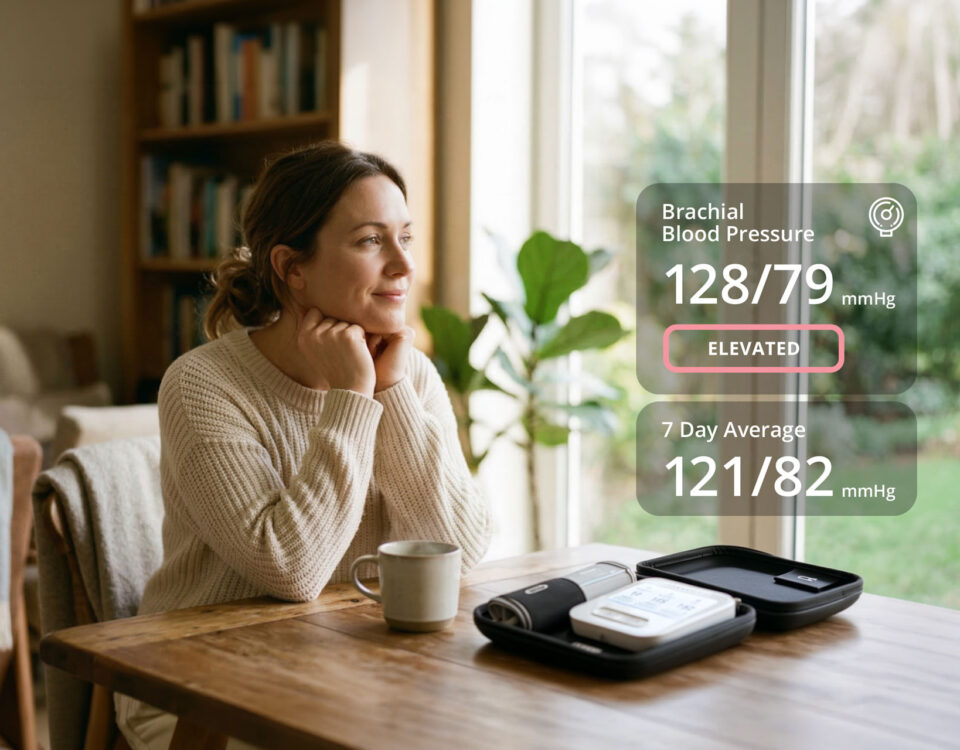
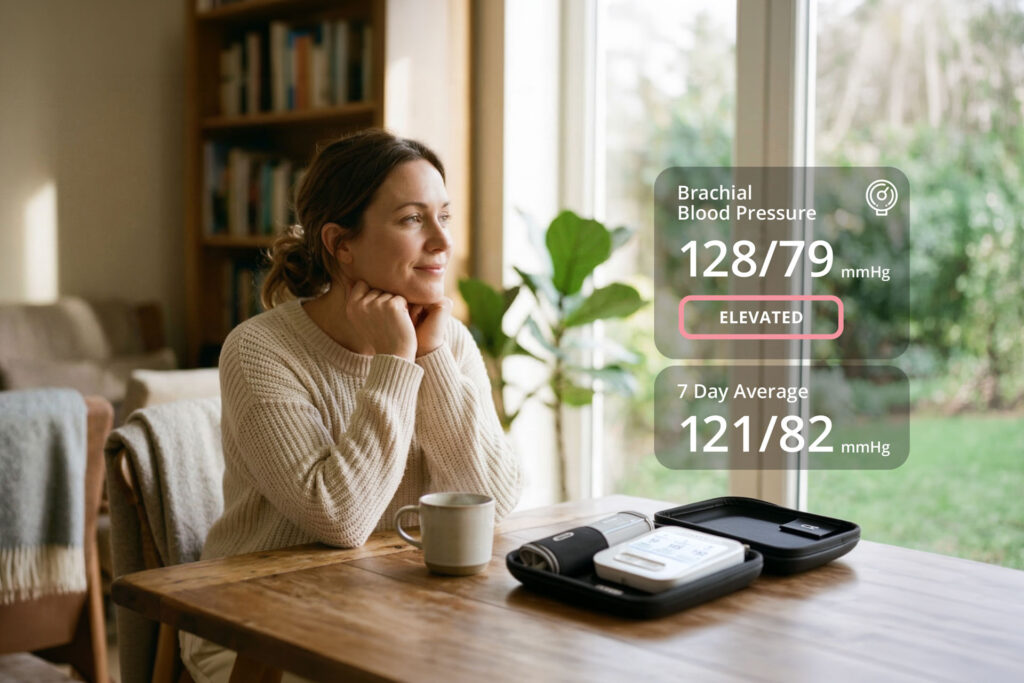
I’ll recheck ApoB after three months. I’m also monitoring arterial stiffness using the CONNEQT Pulse, which tracks augmentation pressure and augmentation index to show how my arteries are responding to particle exposure over time. Both are currently in range, suggesting arterial stiffness may not be present and that my arteries are tolerating the ApoB load today.
ApoB tells me the input, how many cholesterol-carrying particles I’m sending into circulation. Augmentation pressure and augmentation index tell me the response, how my arteries are handling that load in real time. I need both. One reflects long-term exposure. The other reflects current vascular behavior.
If ApoB comes down and those measures stay stable, that’s success. It means I’ve reduced exposure without adding strain to the arterial wall.
If ApoB stays elevated or arterial stiffness trends in the wrong direction, the conversation changes. At that point, I’d consider additional tools to better understand my long-term risk. My first stop will probably be a Cleerly scan.
The point isn’t to react out of fear. It’s to make informed decisions early, while options are broad and outcomes are still in my control.
The Bigger Picture
Elevated ApoB in an otherwise healthy person isn’t a reason to panic. It’s a reason to pay attention and calibrate.
My near-term risk is likely low. The question I care about is lifetime exposure, which is high if I don’t get this under control.
Most fit people assume cardiovascular disease is a problem for other populations, sedentary folks or those with obvious metabolic issues. That assumption holds up until it doesn’t. ApoB has a way of revealing blind spots in people who are otherwise fit and look very healthy.
I’ve seen too many athletes who avoided intervention because they “felt great,” only to show unexpected calcium scores or arterial stiffness in their late sixties. I already understand arterial biology. ApoB is simply the starting point of that story.
Longevity is about listening to quieter signals while the system is still resilient, and change is still easy.
Because the goal isn’t just to feel strong today. It’s to still be here, moving well, decades from now.