

Most New Year health resolutions focus on outcomes: losing weight, getting back in shape, or seeing better numbers at your next checkup. But arteries don’t respond to resolutions. They respond to your daily habits.
Sleep, sodium, exercise, and stress quietly shape how hard your arteries work over time. And while those habits matter year-round, the start of the year offers a rare advantage. Routines reset, making consistency easier to establish.
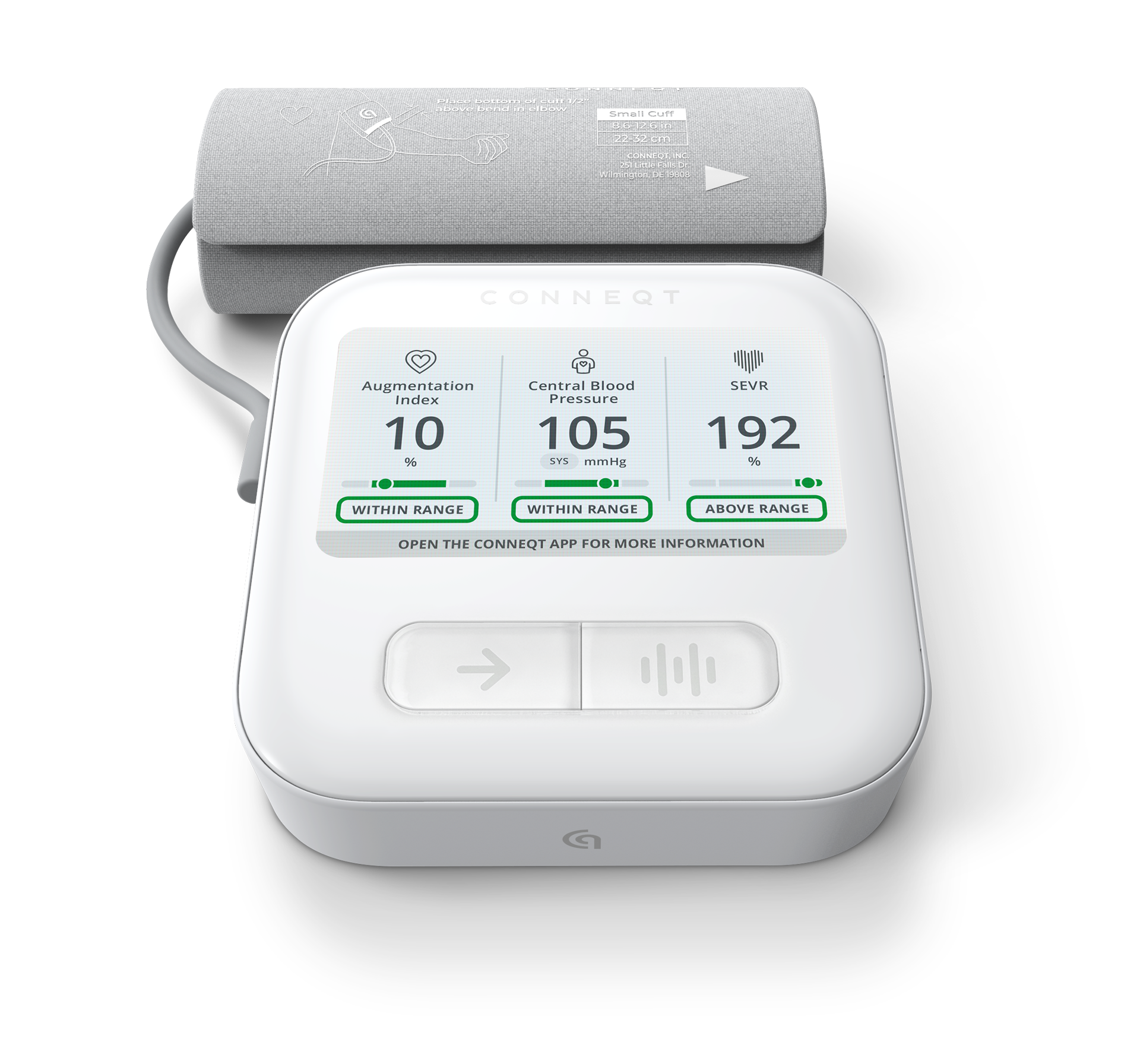

Medical Grade, Accurate, FDA-Cleared Heart Insights.
Save 20% on checkout with code VITALITY
That’s the opportunity. Not intensity or perfection, but habits simple enough to repeat and powerful enough to add up.
Why Arteries Respond to Daily Habits, Not Single Events
Arteries are living tissue that respond to what you do day after day. With each heartbeat, they adjust to signals from your nervous system, hormones, and circulation. Over time, those signals influence how flexible or strained your arteries become.
That’s why arterial stiffness develops gradually and can change with consistency. It often shows up years before a diagnosis of high blood pressure or other warning signs. Single workouts don’t move the needle. Repeated habits do.
Five Daily Habit Changes That Protect Your Arteries
1. Stabilize Your Sleep
Sleep is one of the most overlooked drivers of arterial health. During consistent, high-quality rest, blood pressure naturally lowers, and arteries have time to recover. When sleep is short or irregular, overnight recovery is reduced.
Poor or inconsistent sleep increases the risk of developing high blood pressure and blunts the normal nighttime dip that helps protect arteries over time. Rather than chasing perfect sleep metrics, focus on rhythms you can repeat: regular bedtimes, enough total sleep (7-9 hours), and a simple wind-down routine your body recognizes.
2. Eat for Balance, Especially Sodium and Potassium
What you eat influences how hard your arteries have to work. Excess sodium increases blood volume and blood pressure, placing more strain on arterial walls over time, especially above recommended limits (under ~2,300 mg per day, with ~1,500 mg considered ideal for most adults).
While high sodium intake is strongly linked to elevated blood pressure and cardiovascular risk, it doesn’t act in isolation. Potassium helps offset its effects, yet most people fall short. Cooking more often, reading labels, and prioritizing potassium-rich foods like leafy greens, beans, and root vegetables can ease vascular strain in a way that’s realistic year-round.
3. Move Every Day
Movement helps arteries stay flexible by encouraging blood vessels to expand and relax, supporting healthy circulation. Regular activity lowers blood pressure even when intensity is modest, and small amounts add up.
Most guidelines recommend at least 150 minutes of moderate activity per week, but that total doesn’t need to happen all at once. Research shows that even five extra minutes of brisk movement per day can make a measurable difference. The goal isn’t performance. It’s frequency. Walking, light strength work, or mobility done daily gives your arteries a reason to stay adaptable.
4. Regulate Stress
Stress isn’t just mental. It activates your nervous system, raising heart rate and blood pressure. When that response stays switched on, arteries stay under constant load.
Over time, chronic stress is linked to increased cardiovascular risk. The goal isn’t eliminating stress. It’s giving your nervous system regular signals to stand down. Simple, repeatable actions like slow breathing, brief breaks from screens, or a consistent end-of-day wind-down help lower that constant pressure on your arteries.
5. Measure What Changes in Your Arterial Health
Daily habits only matter if they change the system. Standard blood pressure readings are useful, but arterial health is better understood by watching how key signals shift over time.
Measures like central blood pressure and arterial stiffness reflect the load your arteries carry at their source, closest to the heart and brain. Because these signals respond to lifestyle choices, they’re powerful tools for seeing whether sleep, stress, food, and movement are actually improving vascular health.
Measured consistently, including at home with the CONNEQT Pulse, they turn behavior into feedback. You stop guessing and start adjusting based on how your arteries respond.
Build Your 2026 Heart Plan
A strong heart plan isn’t built on extremes. It’s built on habits you can repeat. Stabilize your sleep. Balance sodium and potassium. Move a little every day. Regulate stress before it compounds. Then pay attention to how your arteries respond.
January is one of the few times when routines reset and consistency becomes easier to establish. With the CONNEQT Pulse, you can follow central blood pressure and key vascular biomarkers at home and watch how they evolve as your habits take shape. Every device includes 30 days of Care+, providing structured reporting that helps turn early habit changes into clearer insight.
The goal isn’t perfect numbers. It’s understanding how your arteries respond to the way you live and using that understanding to guide smarter choices throughout the year.