


Heart-healthy eating should lead to real, measurable progress. Here’s how to tell if your diet is actually working and which signals matter most over time.
You can do everything “right” with your diet and still have no clear idea if your heart health is improving.
That’s not because diet doesn’t matter. It’s because the feedback isn’t always immediate or obvious.
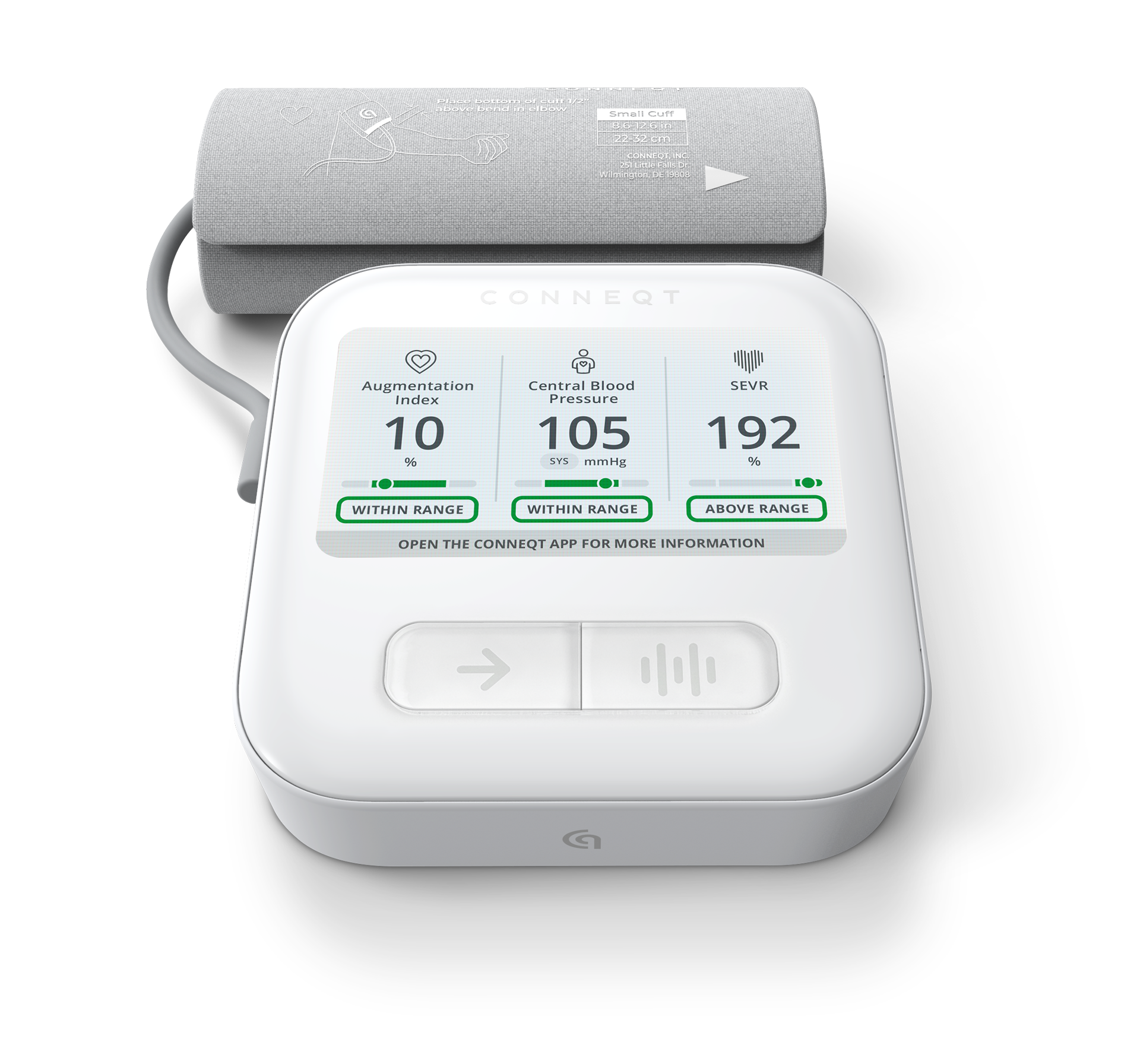

Medical Grade, Accurate, FDA-Cleared Heart Insights.
Save 10% on checkout with code VITALITY
The scale might move. Your energy might improve. But cardiovascular change tends to show up more gradually, and it often looks like a trend, not in a single reading or lab result.
Most nutrition advice is about what to eat. Here we’re talking about how to tell if it’s working.
Instead of asking only “Did I eat well today?” ask “Is my heart health trending in a better direction over time?” When you have a simple way to track that trend, you can stop guessing and make adjustments with more confidence.
The big idea: diet works best with measurable feedback
The good news is that strong research supports the idea that dietary patterns can improve blood pressure and lower cardiovascular risk, backed by both landmark trials and more recent studies.
But the way those benefits show up in real life can be subtle, especially at first. The key is to look for movement in a few measures that respond to diet over time, rather than judging your progress by a single reading or one “good” week. You’re not chasing perfection. You’re looking for direction.
Blood pressure patterns often respond first, sometimes within weeks. Cholesterol-related markers tend to take longer. Consistent diet and heart health tracking is what makes either trend readable.
What to watch first: fast signals that respond in weeks
Start with the measures that tend to respond first, so you can see early direction without overreacting to noise. For many people, that begins with blood pressure patterns, especially once meals, sodium intake, hydration, and alcohol become more consistent.
Blood pressure patterns: how quickly does diet make a difference?
A single blood pressure reading can be useful, but it’s limited. What matters more is what your readings do over time. Look for two things:
- Your average trend: Is your typical range gradually moving lower?
- Your variability: Are the spikes less frequent or less extreme?
Improvement often looks boring. Fewer sharp jumps. A steadier range. A lower “usual” reading. That’s the kind of change that suggests your diet is supporting better cardiovascular function.
When readings stay higher than expected or trend upward over time, it’s worth double-checking your measurement routine and discussing the pattern with your healthcare provider.
Normal noise versus real signals
One of the fastest ways to abandon a good plan is to interpret normal noise as failure. A few things can temporarily distort your numbers without reflecting real cardiovascular change: a salty meal, a poor night’s sleep, travel, dehydration, alcohol, or measuring at a different time of day than usual.
That’s why patterns matter. Don’t grade your diet on a single reading, and don’t change your plan based on one “off” week. Give your body a consistent window, measure consistently, and look for direction.
Sodium sensitivity clues
Sodium is one of the clearest dietary variables that can show up in blood pressure, sometimes within days and more reliably over a few weeks. That doesn’t mean sodium is “bad.” It means consistency matters more than perfection.
For many people, reducing the swing between high- and low-sodium days is more effective than chasing a specific number. If your blood pressure trend improves as your sodium intake becomes more consistent, that’s useful feedback. It’s a sign your diet changes are showing up where they should.
What to watch next: slower signals that matter more long-term
Blood pressure gives you early feedback, but it’s not the only place diet shows up. Some changes that matter most for long-term heart risk take longer to register. Instead of asking “Did my numbers change this week?”, the better question is “Are my risk markers moving in the right direction over the next few months?”
Lipids (LDL and ApoB directionality)
Cholesterol numbers are one of the clearest long-term indicators of whether your diet is helping or quietly adding risk.
You may already recognize LDL, which reflects cholesterol being carried through the bloodstream. ApoB is different. It estimates how many cholesterol-carrying particles are circulating. For many people, that particle count is a more direct clue about long-term arterial exposure.
Two things to keep in mind: a diet can feel “clean” and still push LDL or ApoB higher depending on fat quality and overall pattern. And the goal isn’t a perfect lab result. It’s direction. You want these markers trending in a healthier range over time.
If you want a deeper explanation of why ApoB matters, especially for people who feel fit and metabolically healthy, we break that down here.
Weight and waist: useful context, not the scoreboard
Weight is easy to measure, so it often becomes the default way people judge whether a diet is working. But cardiovascular risk markers can improve even when the scale barely moves, and weight can drop without meaningful improvement in blood pressure or lipids. Treat weight and waist as supporting context, not the primary verdict.
What “real improvement” looks like in practice
Once you know what to track, the next question is what progress actually looks like.
Most people expect a clear before-and-after moment. In reality, cardiovascular improvement is usually incremental: steadier patterns, slightly better averages, fewer outlier days. That may sound unsatisfying, but it’s also good news: you don’t need perfection. You need repeatable habits and enough consistency to see the trend.
Signs your diet may be helping
Use this as a simple gut-check after you’ve been consistent for a few weeks:
- Your average blood pressure trend is improving, even modestly.
- Your readings feel less volatile, with fewer sharp spikes.
- Your next set of blood test results is moving in a healthier direction, especially LDL and ApoB, if you track it.
- Sleep, energy, and recovery feel more stable. They won’t show up in a blood test, but they’re useful signs that your body is responding well overall.
If you’re seeing one of these but not the others, that doesn’t mean your approach is wrong. It usually means your body is responding on different timelines, or that other variables are affecting the signal.
Why the signal can look messy
Even with the right plan, the data can look messy. That doesn’t mean your diet isn’t working. More often, it means the signal is getting drowned out by noise. Usually by two things: not enough time, and too many changes at once.
If you’re adjusting your diet, training harder, sleeping less, and traveling all in the same window, it becomes almost impossible to know what’s driving what. The solution isn’t to abandon the plan. It’s to tighten the method.
What gets in the way of seeing real change
Even if the diet shift is solid, these factors can mask the signal:
- Inconsistent measurement conditions, such as different times of day or disrupted routines
- Sleep and stress swings that push blood pressure around
- Travel, dehydration, alcohol, or late meals that temporarily elevate readings
- Changing diet and exercise at the same time, so you can’t isolate what’s working
Common reasons you think it’s working (when it might not be)
The opposite problem is false confidence. A few traps to watch for:
- Weight loss alone, without improved blood pressure patterns or better labs
- “Cleaner” eating that increases saturated fat or reduces healthy fats, even unintentionally
- One lab number improving while others worsen
The goal is not to find a perfect diet. It’s to find a pattern you can sustain and verify with the right feedback.
A simple way to get clearer feedback: the “One-Change Method”
If you want clearer feedback from your diet, one helpful approach is to focus on one meaningful change at a time and track what happens over a consistent window. This isn’t a strict protocol. It’s a way to learn what actually works for you without getting lost in noise.
The most common mistake is to change everything at once, then try to interpret the results. Keeping your approach simple makes it easier to see real direction.
A few principles that help:
- Focus on one change you can repeat consistently, whatever that looks like for your current habits.
- Keep the rest of your routine as steady as possible so the signal is easier to read.
- Track at the same time of day and under similar conditions.
- Give it enough time to see a trend rather than reacting to a single good or bad day.
How long to give it
Blood pressure patterns often begin to shift within two to four weeks when diet and routine become more consistent. Cholesterol-related markers typically take longer. Meaningful movement often requires several months of consistent change, sometimes more. Deeper cardiovascular adaptation tends to follow a longer runway still, especially when diet changes are paired with structured training.
These are windows for noticing early movement, not the full picture. The research on cardiovascular disease prevention consistently points to years of sustained habits as the foundation for meaningful long-term risk reduction.
If you are managing a medical condition or taking medication, discuss any significant dietary changes with your healthcare provider before you begin.
Confidence without guesswork
Nutrition advice gives you a direction. Your own data tells you if it’s actually working for you.
When you track a few meaningful measures consistently, you can stop guessing whether your diet is helping. You can see the trend, adjust with intent, and build habits that hold up over time. That’s what prevention is supposed to feel like: not a perfect plan, but a clearer picture.