

What his story teaches us about vascular aging, arterial health, and early awareness
Jeremy Clarkson, the British television presenter known for Top Gear and Clarkson’s Farm, recently shared details of an experience we all fear: chest tightness, clamminess, and tingling in his arm.
The medical evaluation revealed severe coronary artery blockages. According to Clarkson, physicians told him he may have been only days away from a major cardiac event.
He narrowly avoided a crisis. But the underlying disease had likely been developing for years.
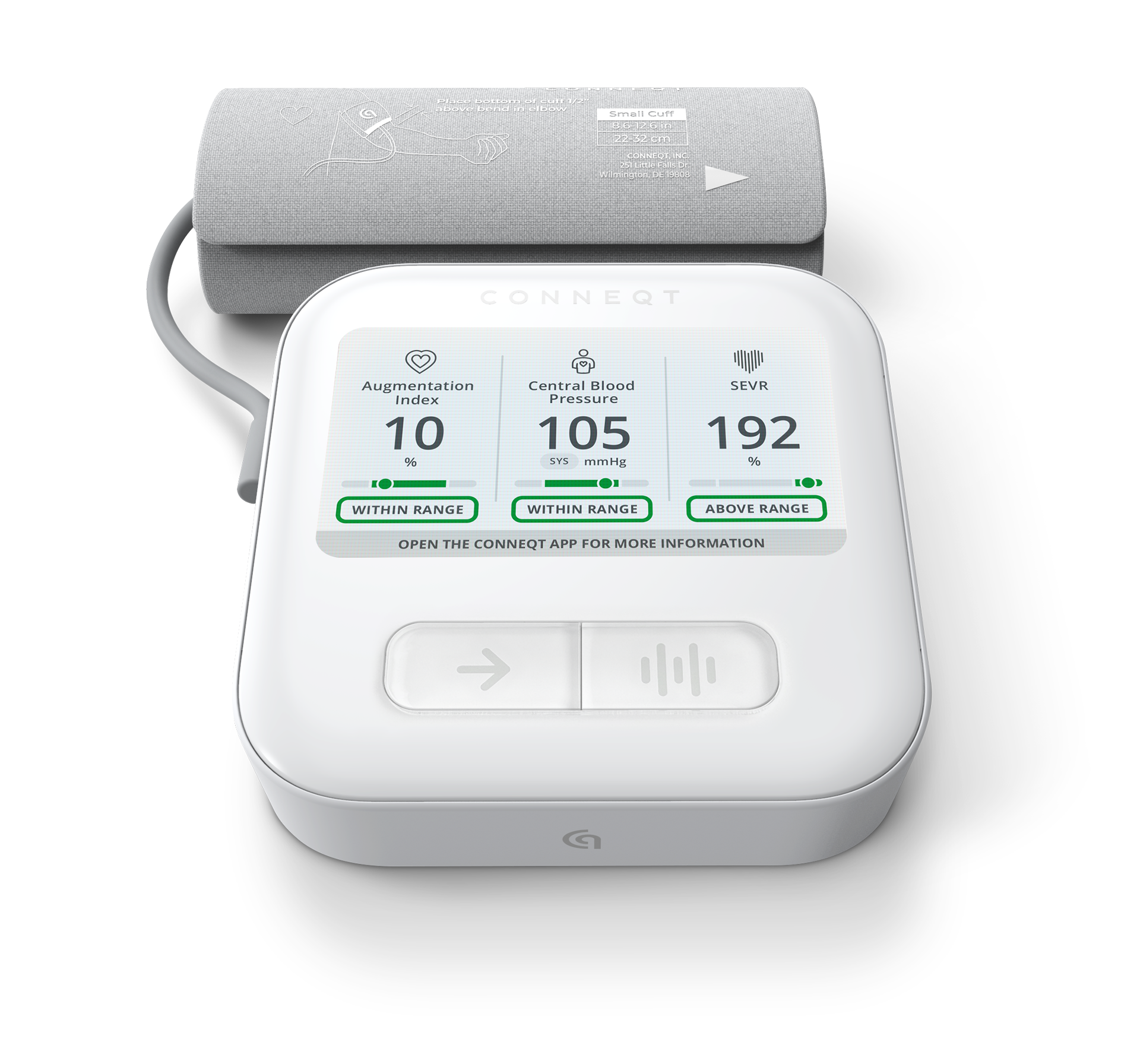

Medical Grade, Accurate, FDA-Cleared Heart Insights.
Save 10% on checkout with code VITALITY
Cardiovascular disease rarely appears overnight
Clarkson’s experience illustrates something cardiologists have long recognized. Heart attacks and strokes often seem sudden, but the vascular changes that contribute to these events typically occur gradually over decades.
Arteries naturally change with age. Factors such as elevated blood pressure, poor metabolic health, smoking history, chronic inflammation, sedentary lifestyle, and genetics can accelerate this process.
As we age, arteries lose elasticity and become stiffer. The heart must work harder to circulate blood throughout the body. These changes may occur long before symptoms become noticeable.
In many cases, the first symptom of cardiovascular disease is the event itself.
Why traditional measurements don’t always tell the full story
Clarkson himself described the progression in a way that resonates far beyond his own experience. Borrowing from Hemingway, he said it happens “gradually and then suddenly.”
For years, routine medical exams had not flagged what was quietly developing in his arteries. It took acute symptoms and an emergency evaluation to reveal that one artery was completely blocked and a second was heading that way.
Historically, brachial blood pressure, the pressure measured in the arm, has been the standard cardiovascular screening tool.
While extremely valuable, it does not always capture the complete picture of arterial health.
Research has shown that measures of central blood pressure and arterial stiffness may provide additional insight into cardiovascular risk because they reflect the pressure experienced by organs such as the heart, brain, and kidneys more directly than peripheral measurements alone.
The importance of arterial stiffness
One of the most studied indicators of vascular aging is arterial stiffness.
As arteries stiffen, pulse waves travel more rapidly through the vascular system. This can be measured through pulse wave velocity (PWV), a well-established marker of vascular health.
Multiple large systematic reviews and meta-analyses have demonstrated that increased arterial stiffness is associated with higher risk of cardiovascular events, cardiovascular mortality, and all-cause mortality. Researchers have repeatedly shown pulse wave velocity to be a meaningful indicator of cardiovascular risk.
Clarkson has been candid about the lifestyle factors that likely contributed to his condition. He described living in what he called “a blizzard of hangovers and jet lag for 30 years,” and confirmed a smoking history. These are precisely the factors research has linked to accelerated arterial stiffening over time.
In other words, arterial stiffness is not simply a consequence of aging. It can reflect decades of cumulative stress on the vascular system, often without any outward sign that anything is wrong.
Clarkson’s story is a reminder, not an exception
Jeremy Clarkson’s experience captured headlines because of his public profile.
What often goes unnoticed is that millions of individuals are living with vascular changes they cannot feel.
Many remain active, productive, and symptom-free while cardiovascular disease continues to progress beneath the surface.
By the time symptoms appear, the disease process may already be advanced.
This is why early awareness matters.
Understanding arterial health before a crisis occurs creates opportunities for more informed conversations between patients and healthcare providers. Growing evidence suggests that understanding arterial function, vascular age, central blood pressure, and arterial stiffness may provide additional context for earlier risk identification and more personalized cardiovascular care.
Jeremy Clarkson’s story serves as a reminder that cardiovascular disease often provides warning signs long before an emergency occurs.
The challenge is recognizing them before the event. Not after.
This article is intended for educational purposes only and should not be interpreted as medical advice, diagnosis, or treatment recommendations.