


Most endurance athletes focus on the miles. The research focuses on what those miles do to your hormones, your heart, and your body composition.
In a Heartbeat
The paradox: Endurance athletes who train the hardest are often the ones whose hormones, heart, and body composition suffer most. The training volume doesn’t override the biology working against them.
The mechanism: Moral licensing, glycogen overflow, testosterone suppression, cortisol elevation, and sleep deprivation all push in the same direction. Each looks manageable in isolation. Together, they explain why months of hard training can leave you worse off than when you started.
The fix: None of this is inevitable. Timing carbohydrates tightly, protecting sleep, and managing stress address the biology directly. Knowing the mechanism is the first step to countering it.
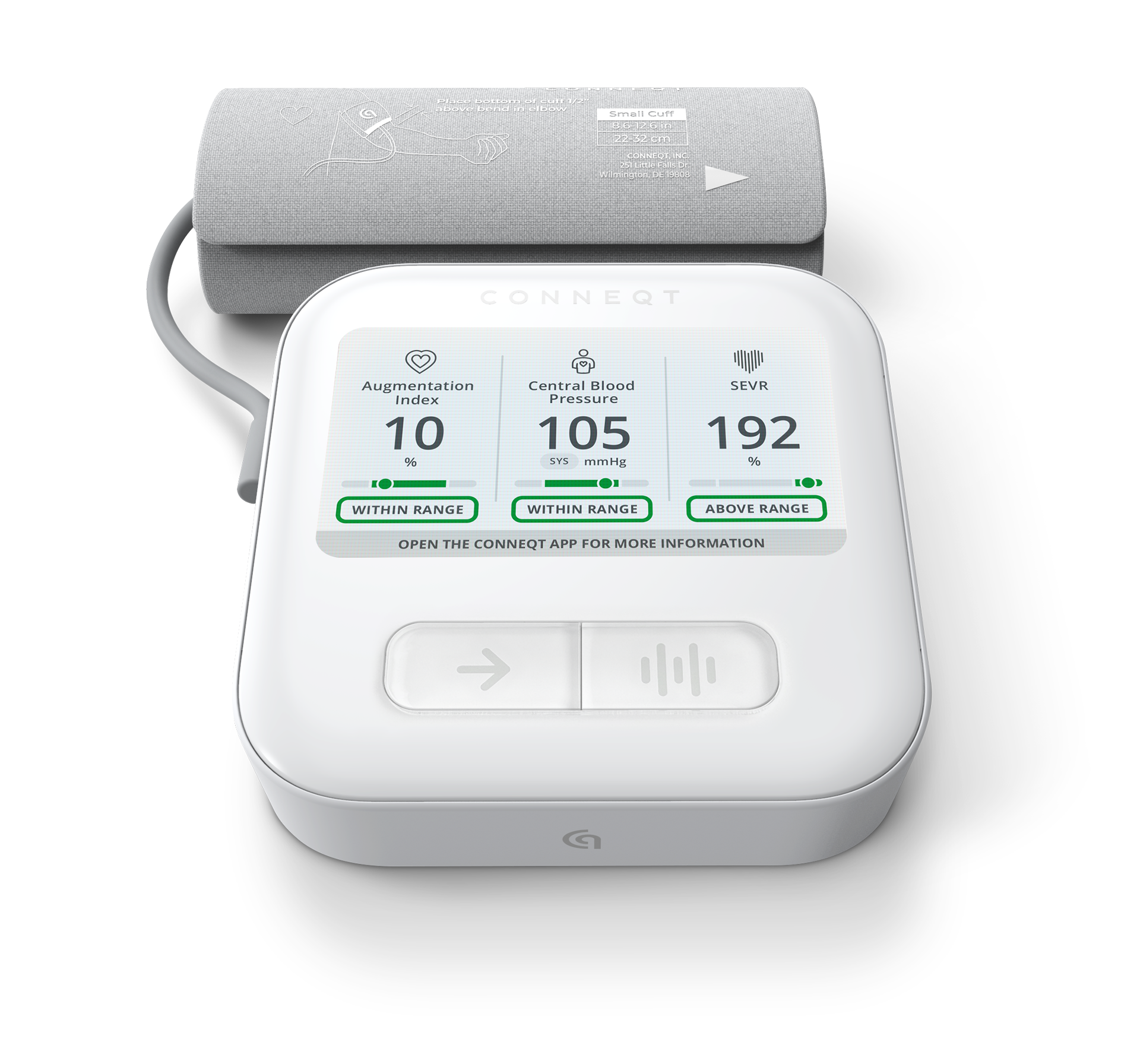

Medical Grade, Accurate, FDA-Cleared Heart Insights.
Save 10% on checkout with code VITALITY
I’ve done a few marathons.
But I reached a point about 10 years ago where I personally swore off doing any more.
Why?
For me it came down to two things: the type of training required, and the nutritional demands that came with it. Specifically, the highly refined carbs and fructose-based sugars I needed to ingest to sustain my training load over months.
But there was a deeper reason. One that has nothing to do with nutrition.
Consistent high-volume endurance training isn’t good for you. Not the way most people assume it is. For starters, as a man it can significantly lower your testosterone and human growth hormone. The research on this is more damning than most people in the endurance world want to acknowledge.
Studies have found that chronic endurance training decreases resting testosterone in men by 10 to 40 percent compared to age-matched non-exercising controls. Researchers have named this the Exercise-Hypogonadal Male Condition. The damage compounds over time. Worse, the longer you have been training at high volume, the more pronounced the testosterone suppression. Research tracking endurance runners across training histories from one year to fifteen-plus years found the decline deepens with every additional year of exposure.
The clearest example is Ryan Hall, America’s greatest marathoner. At his peak, he was training at enormous volume, and his testosterone fell to chronically low levels. The fatigue that came with it ended his career at 33. When he retired and switched to weightlifting, he put on about 50 pounds of muscle. Same man, two very different bodies, and the variable that changed was the training.
Hall is the extreme end of the spectrum. The mechanism that reshaped him is the same one working on any man training at high volume, just quieter and slower.
The effects don’t stop at testosterone.
What high-volume endurance training does to libido
A survey of more than 1,000 adult male endurance runners found that men engaged in marathon-specific training had libido scores approximately 20 percent lower than those not doing that training. As the number of marathons completed increased, libido continued to drop. The factors most strongly associated with lower scores were years of training and the proportion of high-intensity effort, both in inverse relationships.
The longer and harder you train, the more pronounced the effect tends to be.
The heart is the part people assume is safe
The heart is the one organ most people are certain endurance training protects. For moderate training, they are right. Regular aerobic exercise is one of the most protective things you can do for your cardiovascular system, and nothing here changes that.
The complication shows up only at the far end of the volume curve, sustained over years. In studies of lifelong high-volume endurance athletes, researchers see patterns that don’t appear in moderate exercisers, including higher rates of atrial fibrillation in some groups and more coronary calcium, though of the more stable kind. Whether the training drives these changes or simply brings them to the surface is still debated, and that is the more interesting question.
The point isn’t that endurance training is bad for your heart. It’s that the heart follows the same rule as the hormones. More is not automatically better, and the assumption that it is can keep an athlete from looking closely at what high volume is actually doing. Where that line sits, and what these patterns mean for an athlete, is what How Much Exercise Is Too Much For Your Heart? and Is Endurance Training Hurting Your Heart? take up in detail.
Hormones, libido, the heart. These are the costs you don’t feel. The one endurance athletes actually notice is the one they can’t explain.
The endurance athlete/weight gain paradox
The paradox of marathon training, and of endurance sports like cycling and triathlon, is that despite all the training and long hours on the road, you don’t necessarily lose weight. You may actually gain it.
Maybe weight loss isn’t your goal. You just want to train and exercise more to feel better, and that’s great. But it just doesn’t make sense that you train so hard and it has zero impact on your body composition. “I ride 100 miles a week and I weigh just the same. What gives?” I hear you say.
Endurance athletes and others who hit the gym and road hard every day of the week are often of the mind that anything goes. They can eat whatever they want and not gain weight.
That belief is one of the most reliable ways to end a training cycle heavier than you started it. And the science explains exactly why.
The moral licensing trap
The first and most powerful driver of weight gain in endurance training isn’t physiological. It’s psychological.
It’s called moral licensing. Researchers define it as the effect where performing a virtuous behavior creates a psychological sense of permission to indulge in a less virtuous one. A meta-analysis of 91 studies covering nearly 7,400 participants found the effect holds up across a wide range of situations. The most common everyday example? Exercise. A person who trains in the morning feels licensed to eat a larger or less healthy meal later in the day. The workout earned the indulgence.
In marathon training, this dynamic gets amplified to an extreme. “I ran 18 miles today” is one of the most dangerous thoughts a distance runner can have. The training volume feels enormous. The sacrifice feels real. The reward feels justified. And race organizers actively reinforce it, marketing post-race feasts, free beer, and thousands of calories of sugar as part of the value proposition of signing up.
The result is a training cycle where physical output and caloric input both ratchet upward together, often erasing the deficit that all those miles were supposed to create.
The glycogen overflow problem
Beyond psychology, there’s a straightforward metabolic mechanism at work.
When you train hard, your body burns through glycogen, the energy stored in your muscles and liver. After a strong session, those stores are depleted. The first 30 minutes post-exercise is when the body is most efficient at restoring them, and consuming carbohydrates in that window is appropriate.
The problem is that many endurance athletes don’t stop there. They keep the fuel hose in the tank all day. For every gram of glycogen the body stores, it also retains approximately three grams of water, so even before a single calorie becomes fat, the scale is climbing. When carbohydrate intake consistently exceeds storage capacity, the overflow gets converted to fat. Insulin is the mechanism: carbohydrates are the primary stimulus for insulin release, and elevated insulin signals the body to store fat rather than burn it.
The practical upshot is that high training volume doesn’t override the insulin-fat storage relationship. It just gives people a psychological rationale to trigger it more aggressively.
The cortisol problem nobody talks about
Here’s what makes this even harder to escape: the training itself raises the hormone most associated with fat storage.
High-volume endurance training without adequate recovery chronically elevates cortisol. And cortisol doesn’t just make you feel stressed. It actively promotes fat storage, specifically in the abdominal region, by increasing the activity of an enzyme called lipoprotein lipase that pulls fatty acids from the bloodstream into fat cells. It simultaneously suppresses anabolic hormones like testosterone and growth hormone, which are the hormones responsible for building and maintaining lean muscle mass. That suppression matters because low testosterone in men is associated with increased fat mass and reduced lean muscle tissue.
The hormonal picture during heavy marathon training for a man over 40 is particularly unfavorable: testosterone falling, cortisol rising, growth hormone suppressed, insulin elevated from high carbohydrate intake. Every one of those shifts pushes body composition in the wrong direction.
Sleep: the missing variable
It seems counterintuitive: the less you sleep, the more weight you can gain. But the mechanism is well established.
Marathon training consumes time, and time comes from somewhere. For most people, it comes from sleep. That tradeoff has a direct hormonal cost.
Sleep deprivation suppresses leptin, the hormone that signals fullness, while allowing ghrelin, the hunger hormone, to run unchecked. The result is increased appetite layered on top of an already elevated hunger response from the training volume itself. Sleep deprivation also blunts growth hormone production, which does much of its anabolic, fat-burning work during deep sleep.
The combination of chronically elevated ghrelin, suppressed leptin, suppressed growth hormone, and elevated cortisol is a reliable recipe for fat gain regardless of how many miles you’re logging.
What to do with this information
Running long distances every day does not make you an athlete. It makes you a runner.
As you age, multiple levels of fitness conditioning matter: strength, mobility, flexibility, and intensive cardio. Confining yourself to a single sport or activity for months at a time, with your fitness peaking on a single day, is a narrow return on a significant investment. Ryan Hall’s 40 pounds of muscle came after he traded the miles for the weight room, not before.
If you are committed to high-volume endurance training, these principles can help you avoid the weight gain trap.
Time your carbohydrates tightly
Consume simple carbohydrates immediately before, during, and in the 30 minutes after intense sessions. Outside of those windows, prioritize protein and healthy fats. The carbohydrate-to-protein ratio post-workout should be approximately 4:1. Avoid energy gels and processed recovery foods whenever possible. Eat real food.
e. Eat real food.
The rest of the time, eat like an adult
Non-processed foods rich in vitamins and minerals, quality protein sources such as beans, legumes, and fatty fish like sardines, and healthy fats including nuts, seeds, and olive oil. The training volume does not license the post-run muffin or beer.
Protect your sleep
Seven hours minimum. This means rearranging your schedule around sleep, not training around sleep. Go to bed and wake at the same time every day, including weekends. A 20-minute nap in the afternoon is a useful tool if you need it. Longer than that tends to backfire.
Take stress management seriously
Yoga, meditation, mobility work, and guided breathing are not soft additions to a training plan. They are direct interventions on the cortisol-testosterone dynamic that high-volume endurance training disrupts. Treating them as optional is a mistake.
Track your hormones, not just your miles
If you are training at this volume and not periodically checking testosterone, cortisol, and other key markers, you are flying blind. The training might feel productive while your hormones are moving in the wrong direction.
As an endurance athlete, you need to be good to your body every day and every night if you want to perform and recover at your best.
Unwelcome, unplanned weight gain during high-volume endurance training is common, but it is not inevitable. The biology is working against you, from your hormones to your heart to your waistline. Knowing that is the first step to countering it.
What to read next
The work starts with your hormones, your sleep, and the markers worth tracking. Each article takes one of these topics further.
- Testosterone Therapy and Your Heart — If endurance training has pulled your testosterone down, this is the honest version of what replacing it does, and doesn’t do, for your heart.
- The Connection Between Sleep and Arterial Health — The sleep section here only scratches the surface. This digs into how short sleep shows up in your cardiovascular system.
- My Cardiovascular Risk Is High, Even Though I’m Fit — What happens when your lab work doesn’t match your fitness level, and what to do about it.
- The Longevity Blindspots — The case for tracking the markers you can’t feel, which is exactly where this piece ends.
Want to go deeper? Browse the full library.